
 2 months ago
59
2 months ago
59
The Pentagon did something it almost never does on Monday: it told the world exactly where one of its nuclear-armed submarines was sitting. The USS Alaska, an Ohio-class ballistic missile submarine, docked in Gibraltar on May 10, one day after President Trump rejected Iran’s latest peace proposal.
What happened and why it matters
Ohio-class submarines are the most destructive weapons platforms on Earth. The US military almost never reveals their locations, because the whole point of a submarine-based nuclear deterrent is that nobody knows where it is.
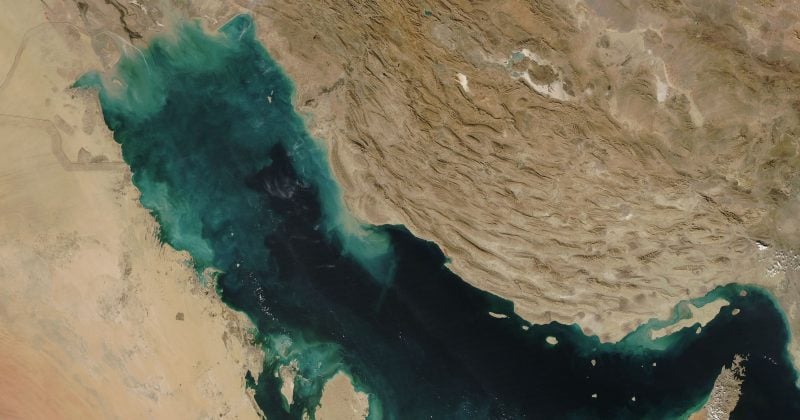
The disclosure came just 24 hours after Trump turned down Iran’s ceasefire proposal on May 9. The Strait of Hormuz, which Iran has repeatedly threatened to disrupt during past confrontations, handles roughly a fifth of the world’s oil supply. Any disruption there doesn’t just spike crude prices. It cascades through inflation expectations, central bank policy, and risk asset pricing, crypto included.
The crypto angle is bigger than it looks
Bitcoin and Ethereum both slipped roughly 1.5% amid the escalation in US-Iran tensions. During geopolitical shocks, crypto initially sells off alongside other risk assets before potentially rebounding as investors seek hedges against fiat instability and inflation. During previous Middle Eastern conflicts and sanctions escalations, Bitcoin has shown a tendency to recover and even surge as prolonged uncertainty drives capital toward decentralized assets.
On April 29, the US Treasury sanctioned Iran-linked crypto networks for laundering over $150 million through digital assets to fund proxy activities. Iran has been steadily increasing its use of cryptocurrency to circumvent American sanctions, and research from Chainalysis has shown that Iranian crypto flows tend to spike in correlation with geopolitical events.
Gibraltar introduced its Distributed Ledger Technology framework back in 2018, making it one of the earliest jurisdictions to create a formal licensing regime for blockchain businesses. In 2026, the territory updated its rules with new provisions covering stablecoins and market integrity, further cementing its position as a magnet for digital asset firms.
What this means for investors
Market analysts are watching how the confrontation affects Federal Reserve policy. The expectation had been for rate cuts of around 2.5%, but those may now be delayed into June 2026 or later if oil price inflation picks up from Strait of Hormuz concerns. Delayed rate cuts mean tighter liquidity conditions, which historically weigh on risk assets including crypto.
If the Treasury continues cracking down on Iran-linked crypto laundering networks, it could trigger broader compliance requirements for exchanges and DeFi protocols. That also reinforces the argument that transparent, on-chain finance is actually easier to police than traditional banking channels.
Disclosure: This article was edited by Editorial Team. For more information on how we create and review content, see our Editorial Policy.





 English (US) ·