
 1 hour ago
28
1 hour ago
28
The Federal Reserve’s inflation fight just got a fresh chapter. Anna Paulson, president and CEO of the Federal Reserve Bank of Philadelphia, said on September 24 that additional interest rate increases may be necessary to drag inflation back to the central bank’s 2% target.
Paulson endorsed the FOMC’s recent quarter-point rate hike, which pushed the federal funds target range to 3.75%-4.00%. She noted that underlying inflation is currently running between 2.5% and 3%.
The case for more tightening
Paulson indicated that should economic conditions continue to evolve along current projections, “additional modest rate tightening could be warranted.”
The inflationary pressure isn’t coming from a single source. Paulson pointed to import tariffs as one driver, raising prices on goods flowing into the US economy. Energy prices are another factor, with geopolitical tensions involving the US and Israel creating supply-side pressures. Strong investment in AI and technology infrastructure has been fueling demand in certain sectors, adding another dimension to the inflation picture.
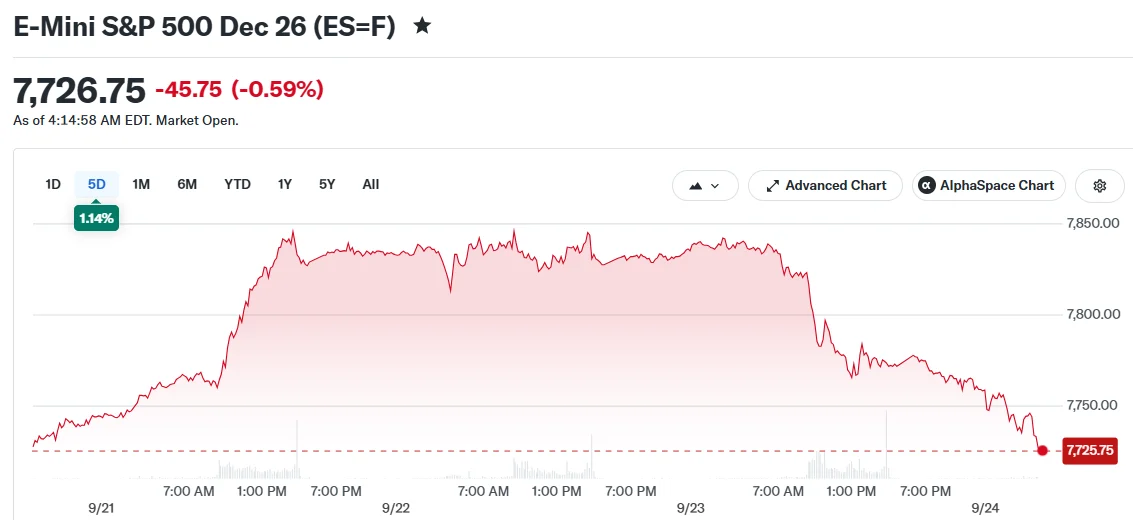
Recent Fed forecasts from the latest meeting suggest one more rate hike could arrive before the end of 2026. Futures markets, however, are pricing in more aggressive action than what the Fed is currently projecting.
A balancing act with the labor market
Paulson emphasized the importance of maintaining stability in the labor market, which she described as resilient despite the tightening cycle.
Paulson, who became president of the Philadelphia Fed on July 1, 2025, made her remarks at a fintech conference. Her comments reflect a shift in how Fed officials are framing the balance of risks, with the discussion moving toward whether the current policy stance is restrictive enough to finish the job on inflation.
What this means for markets
Higher interest rates for longer directly increase borrowing costs for consumers and businesses. The divergence between Fed projections and futures market pricing is worth watching closely, as it often creates volatility as the gap resolves in one direction or the other.
Persistent inflation above target also has operational implications across industries. Companies facing higher input costs from tariffs and energy prices have limited options: absorb the hit to margins or pass costs along to consumers.
Disclosure: This article was edited by Editorial Team. For more information on how we create and review content, see our Editorial Policy.






 English (US) ·