
 1 month ago
37
1 month ago
37
Less than two weeks ago, Polymarket traders were betting on peace. The odds of a permanent US-Iran deal landing before July sat above 75% on May 23. Now those same odds have cratered to roughly 27%, a collapse that tells you everything about how quickly geopolitical optimism can evaporate.
The culprit is familiar: Iran’s nuclear program. Specifically, Iran’s refusal to halt uranium enrichment, with stockpiles reportedly enriched to nearly 60% purity, has drained whatever confidence traders had built up over the preceding weeks.
From optimism to reality check
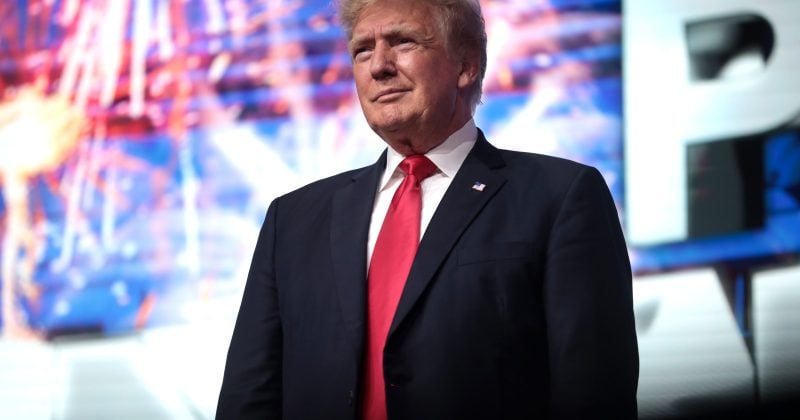
The trajectory here is worth understanding. Earlier this year, prediction markets had priced in a 67% to 74% likelihood of a peace deal materializing by mid-2026. That range reflected a period of cautiously optimistic diplomatic signals, including remarks from former President Trump suggesting negotiations were progressing.
The Wall Street Journal flagged the sharp downturn on June 2, noting the dramatic repricing as a reflection of growing skepticism around any near-term resolution.
Adding to the complexity are lingering concerns about the International Atomic Energy Agency’s ability to maintain oversight of Iranian nuclear sites. Following military actions against Iranian nuclear facilities by Israel and the US in June 2025, questions about access and transparency have only multiplied. A ceasefire exists, but “fragile” would be the generous descriptor.
What prediction markets are actually telling us
The speed of this repricing is striking. A swing from 75% to 27% in roughly ten days isn’t a gradual shift in sentiment. It’s a collective “oh, wait” moment, the kind that happens when new information forces traders to abandon their prior assumptions wholesale.
Polymarket has seen millions in trading volume during these geopolitical developments. High volume means the odds aren’t being set by a handful of degenerate gamblers. They represent a reasonably deep pool of informed opinion.
The current pricing suggests traders now expect protracted negotiations stretching well beyond the original mid-2026 timeline. Some contracts looking at a deal by year’s end still carry modest odds, but the near-term confidence has essentially been gutted.
What this means for investors
For those active in prediction markets specifically, this episode is a masterclass in the risk of crowded trades. When odds sit at 75%, the implied consensus is overwhelming. Traders who bought “yes” at 75% are now sitting on positions worth roughly a third of what they paid.
Disclosure: This article was edited by Editorial Team. For more information on how we create and review content, see our Editorial Policy.




 English (US) ·