
 3 weeks ago
43
3 weeks ago
43
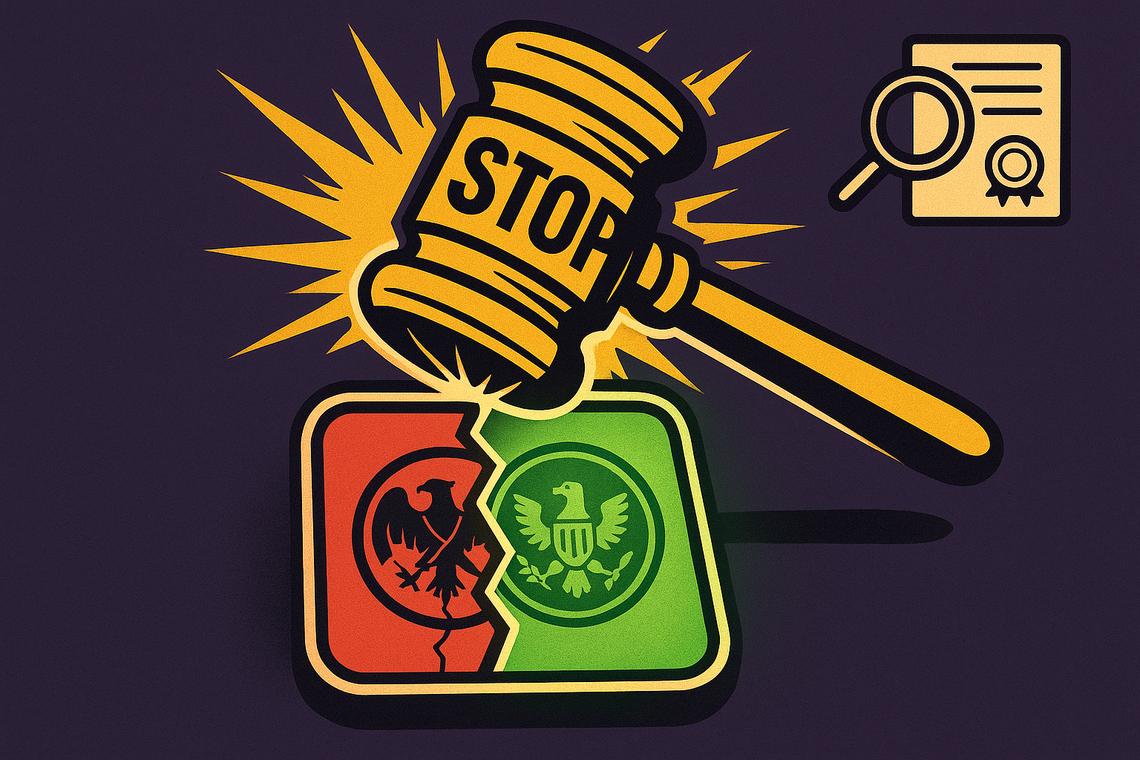
Polymarket’s US return is unfolding less like a quiet regulatory rehabilitation and more like a full-scale reputational offensive. The prediction market platform, which spent four years locked out of the American market, is now pushing hard to convince regulators, policymakers, and everyday bettors that it has earned another shot — through influencer campaigns, media partnerships, and a freshly launched mobile app operating under federal oversight.
Key takeaways
- Polymarket returned to the U.S. after a four-year ban, launching a CFTC-supervised mobile sports betting app in December 2025.
- The company settled with the CFTC for $1.4 million four years ago over unregistered event-based derivatives.
- CEO Shayne Coplan’s home was raided by federal investigators in 2024; charges were dropped seven months later after a change in presidential administration.
- Polymarket’s new U.S. marketing push includes influencer partnerships, deals with Major League Baseball, CNBC, and CNN.
- The platform’s X account now holds 1.7 million followers, compared to rival Kalshi’s 431,400.
Polymarket’s Return to the U.S. Market
Few companies in the prediction market space carry as much regulatory baggage heading into a relaunch as Polymarket does. The path back to U.S. customers started with a significant legal reckoning — and continued through a federal raid that could have ended the company entirely.
Regulatory Background and Settlement
Four years ago, Polymarket agreed to stop serving U.S. customers as part of a $1.4 million settlement with the Commodity Futures Trading Commission. The CFTC alleged the platform had been offering unregistered event-based derivatives — contracts that let users bet real money on the outcome of real-world events — without the proper regulatory framework in place.
That settlement wasn’t just a financial penalty. It was an operational exile. For years, Polymarket grew its international user base while American customers were formally off-limits.
Investigations and Resolution
The road back got considerably rockier in late 2024, when federal law enforcement officials raided the home of CEO Shayne Coplan as part of an investigation into whether Polymarket had continued serving U.S. users in violation of the settlement terms. CoinDesk confirmed at the time that U.S. residents were, in fact, able to trade on the platform despite the agreement.
Then the political winds shifted. Investigations by both U.S. prosecutors and the CFTC were dropped seven months later without charges, following a change in presidential administration. For Polymarket, that outcome cleared the runway.
Strategic Growth Initiatives and Product Launch
The formal return strategy had actually begun before the investigations were resolved. Polymarket acquired QCEX roughly a year ago as the structural foundation for its reentry into the U.S. market — a move that signaled long-term intent even while legal clouds still hung overhead.
Acquisition of QCEX
The QCEX acquisition gave Polymarket the regulatory scaffolding it needed to operate in the United States under proper oversight. Rather than rebuilding from scratch, the company bought an existing infrastructure with the compliance architecture already in place.
Launch of the CFTC-Supervised Sports Betting App
The operational payoff came in December 2025, when Polymarket rolled out a mobile app allowing users to bet real money on sports events — this time under full CFTC oversight. The app marks the platform’s most concrete step yet toward legitimate, regulated participation in the U.S. market.
The timing matters. Prediction market volumes have been surging across the industry. During June 2026, Polymarket’s U.S. platform recorded more than $3.5 billion in notional volume, up from $1.77 billion in May, while its international exchange set a new monthly record of $10.8 billion — driven in part by 2026 FIFA World Cup trading activity. Rival Kalshi, which has operated under CFTC supervision since 2020, saw more than $31 billion in notional volume during the same month. The competitive gap is real, but Polymarket’s U.S. growth trajectory is clearly accelerating.
Marketing Campaign to Rebuild Trust
Regulatory clearance is one thing. Public trust is another. Polymarket is now running a multi-front campaign to close that second gap.
Influencer Marketing and Media Partnerships
According to an Associated Press report, the platform is working with social media influencers to generate viral content on TikTok and other platforms, while also signing partnership agreements with Major League Baseball and major news outlets including CNBC and CNN. The strategy reflects a calculation that mainstream media credibility, combined with social-native reach, can shift perception among both regulators and potential users.
Dan Lee, Polymarket’s head of U.S. operations, told AP that the international business’s dominance in overall volume has often obscured the company’s domestic progress. “I think having the international business being the bulk of the volume, it often sort of masks the progress we are making here in the U.S. to broaden Polymarket’s acceptance,” Lee said.
Market Position and Social Media Reach
The platform’s organic social presence is already substantial. Polymarket’s X account carries 1.7 million followers — more than four times the 431,400 followers held by Kalshi, a platform that has been operating in the U.S. under CFTC supervision since 2020. That gap suggests Polymarket’s brand resonance runs well ahead of its current regulated U.S. footprint, which is both an asset and an argument for why the marketing push could be effective.
Addressing Allegations of Undisclosed Influencer Promotions
The campaign rollout, however, comes against a complicated backdrop. Last month, the Wall Street Journal published an investigation alleging that Polymarket had already been using paid influencers to promote simulated trades and winnings on social media — without adequate sponsorship disclosures. The allegation strikes directly at the credibility the company is now trying to build.
Polymarket responded by telling the WSJ it was “committed to maintaining accurate, fair, and transparent markets.” The statement is a standard corporate affirmation, but the underlying allegation raises a pointed question: if the company was already running undisclosed paid promotions before its official marketing launch, how rigorous will its compliance standards be as the campaign scales up?
That tension — between the urgency to grow and the need to demonstrate trustworthiness — is the central challenge of Polymarket’s U.S. comeback. Kalshi, the most established CFTC-regulated competitor, spent years building institutional credibility before scaling aggressively. Polymarket is attempting to compress that timeline, betting that its existing global brand and social media dominance can substitute for the slower, quieter path its rival took. Whether regulators see it the same way is the question that will define whether this relaunch sticks.
FAQ
What regulatory actions did Polymarket face before its return to the U.S.?
Four years ago, Polymarket settled with the CFTC for $1.4 million for offering unregistered derivatives and was banned from serving U.S. customers as part of that agreement.
How did Polymarket respond to federal investigations in 2024?
Federal investigators raided CEO Shayne Coplan’s home in 2024 over possible settlement violations. Investigations by both U.S. prosecutors and the CFTC were dropped seven months later without charges, following a change in presidential administration.
What measures is Polymarket taking to regain trust in the U.S.?
Polymarket launched a CFTC-supervised mobile app in December 2025 allowing real-money sports betting, and is running a marketing campaign with social media influencers and partnerships with Major League Baseball, CNBC, and CNN.
Has Polymarket faced any reputational challenges recently?
Yes. A Wall Street Journal investigation alleged Polymarket used paid influencers without proper sponsorship disclosures to promote simulated trades and winnings on social media. The company denied wrongdoing and reaffirmed its commitment to market transparency.
Article produced with the assistance of artificial intelligence and reviewed by the editorial team.



 English (US) ·