
 1 hour ago
21
1 hour ago
21
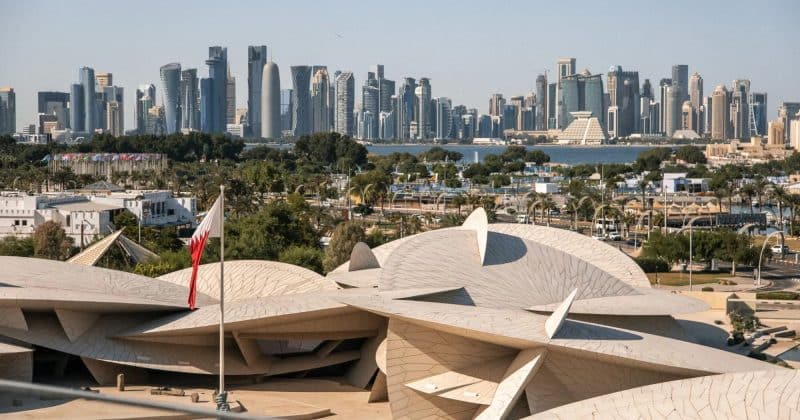
Indirect negotiations between the US and Iran moved forward in Doha on July 1, with Qatar announcing “positive progress” on implementing the June 17 memorandum of understanding that was designed to wind down hostilities between the two nations.
The talks, brokered through Qatari and Pakistani mediators, represent the most concrete diplomatic momentum since the Islamabad MoU was remotely signed on June 17, 2026. No direct high-level meetings took place between US and Iranian officials. Instead, mediators shuttled between the two delegations separately, a format that has become the default choreography for these negotiations.
What the Islamabad memorandum actually covers
The Islamabad MoU was crafted to end the conflict that escalated after US-Israeli strikes on Iran on February 28, 2026. The memorandum focuses on two priorities: halting military operations, particularly in Lebanon, where fighting had intensified in the months prior, and reopening crucial shipping lanes, most notably the Strait of Hormuz.
Roughly 20% of the world’s oil and gas shipments pass through the Strait of Hormuz, a narrow waterway that sits next to an active conflict zone.
The US side of the negotiations has featured envoys Steve Witkoff and Jared Kushner, who have been working alongside Qatari diplomatic representatives. Iran’s delegation has engaged through the same mediator framework.
The diplomatic landscape after a leadership transition
Both sides expressed commitment to continuing technical discussions following the passing of Iran’s former Supreme Leader. Pakistan’s role as co-mediator alongside Qatar reflects Islamabad’s maintained diplomatic relationships with both Tehran and Washington. Qatar, meanwhile, has spent the better part of a decade building its reputation as the Middle East’s go-to mediator, and these talks reinforce that positioning.
What this means for investors
During earlier phases of diplomatic breakthroughs, Bitcoin saw price rallies toward $65,000. Oil markets have been reactive given the Strait of Hormuz factor: when tensions ease, the risk premium baked into oil prices deflates, and cheaper energy costs ripple through the entire economy, including crypto mining operations.
Investors watching these negotiations should pay attention to two specific triggers. The first is any announcement regarding the Strait of Hormuz reopening or expanded shipping access. The second is whether the indirect format evolves into direct high-level meetings, which would indicate a qualitative change in the relationship.
Disclosure: This article was edited by Editorial Team. For more information on how we create and review content, see our Editorial Policy.





 English (US) ·