
 1 hour ago
19
1 hour ago
19
Min-Liang Tan, the co-founder and CEO of Razer, stood on stage at Singapore’s SuperAI convention and said what a lot of Silicon Valley has been whispering for months: a tidal wave of AI-focused IPOs is coming, and the companies preparing to ride it are some of the biggest names in tech.
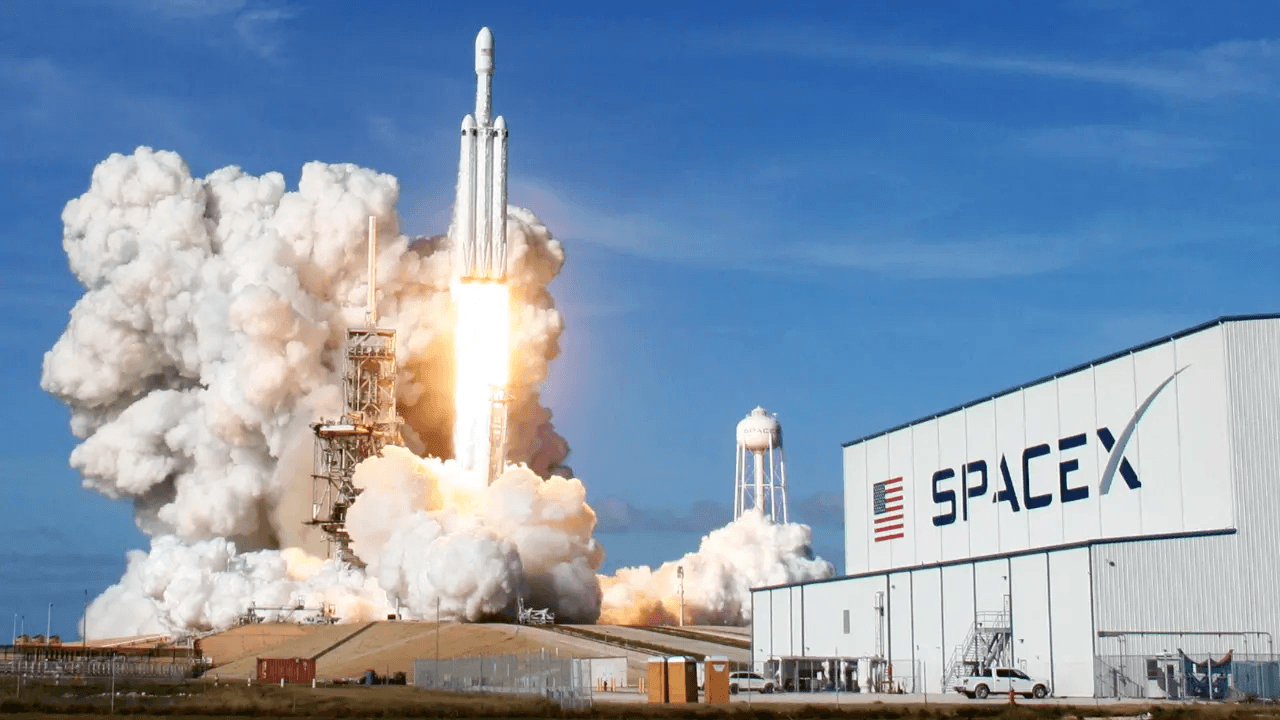
Tan namechecked SpaceX, Anthropic, and OpenAI as companies he expects to deliver blockbuster public listings. His framing was notably expansive. He called these anticipated debuts “just the beginning,” suggesting multiple waves of AI-linked companies will follow suit in tapping public capital markets.
Razer’s $600 million AI bet
Tan isn’t just commentating from the sidelines. Razer has committed over $600 million to AI development, a number that turns the gaming peripheral company into something more closely resembling an AI-forward tech firm.
Part of that investment involves hiring 150 AI scientists. The company is directing these resources toward gaming-specific applications, including developer tools and player coaching systems that leverage machine learning.
Tan took Razer public on the Hong Kong Stock Exchange in November 2017, raising over $500 million in the process. That IPO made him Singapore’s youngest self-made billionaire at age 40. The company was later privatized in 2022 at a valuation of $3.2 billion.
The crypto connection nobody’s talking about
While Tan’s SuperAI remarks focused squarely on artificial intelligence, Razer has been quietly building bridges to the blockchain world. In March 2025, the company partnered with World Network, the project formerly known as Worldcoin, to launch “Razer ID verified by World ID.”
The integration targets one of gaming’s most persistent headaches: bots. By using World Network’s proof-of-human verification system, Razer aims to ensure that the person behind a gaming account is, in fact, a person.
Tan did not mention specific cryptocurrencies or tokens in his IPO commentary. But the World Network partnership signals that Razer views blockchain infrastructure as a practical tool rather than a speculative asset class.
What this means for investors
Tan’s prediction about cascading AI IPOs isn’t happening in a vacuum. The AI sector has been absorbing enormous amounts of private capital, and the pressure to provide liquidity to early investors is building. Companies like OpenAI and Anthropic have raised at valuations that practically demand a public listing at some point, if only to give their investors an exit.
For crypto-adjacent investors, the more interesting signal might be Razer’s dual investment in AI and blockchain verification. If the gaming industry broadly adopts proof-of-human systems to combat AI bots, demand for the underlying verification protocols could grow substantially. World Network’s token, WLD, would be an obvious beneficiary of that trend, though Razer’s partnership is structured around the technology layer rather than the token itself.
The risk, of course, is execution. Hiring 150 AI scientists is easier said than done in a labor market where every major tech company is competing for the same talent pool. And converting $600 million in AI spending into products that actually move the needle for gamers requires the kind of focused product vision that doesn’t always survive contact with corporate bureaucracy.
Disclosure: This article was edited by Editorial Team. For more information on how we create and review content, see our Editorial Policy.



 English (US) ·