
 1 hour ago
18
1 hour ago
18
Relativity Space, the 3D-printing-focused rocket company that nearly flamed out on its path to orbit, is now positioning itself as a credible challenger to SpaceX in the race to Mars. Under new leadership from former Google executive chair Eric Schmidt, the company is pursuing what could become the first commercially driven Mars lander mission, partnering with Impulse Space to get there.
From near-collapse to Mars ambitions
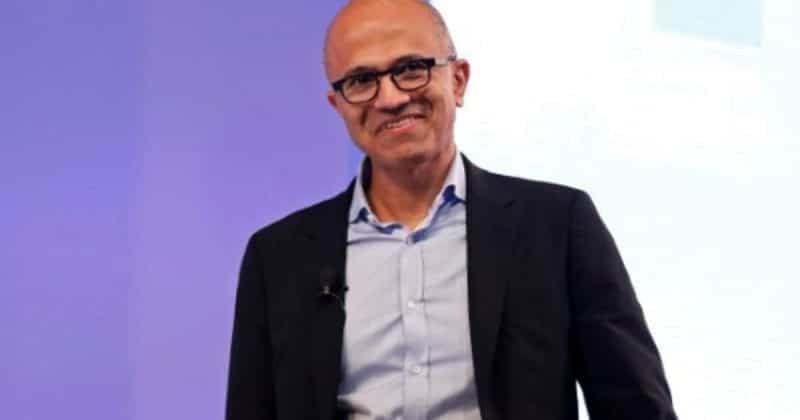
Schmidt took a controlling stake in Relativity Space in March 2025 and assumed the dual role of Executive Chairman and CEO. His vision goes beyond just launching rockets. He’s steering the company toward building large-scale space infrastructure, including orbital data centers.
Relativity’s partnership with Impulse Space, established in July 2022, laid the groundwork for what the companies described as the first private Mars lander mission. The plan calls for using Relativity’s Terran R rocket, a reusable vehicle the company has been developing as its flagship orbital launch platform.
The original target was a launch no earlier than 2024. That timeline has slipped, with expectations now pushed into the mid-2020s.
Meanwhile, SpaceX has publicly announced plans for uncrewed Starship missions to Mars during the 2026 Earth-Mars alignment window. That window matters because Earth and Mars only get close enough for efficient travel roughly every 26 months.
The money behind the mission
Relativity Space has raised over $1.3 billion from investors that include Fidelity, BlackRock, and Tiger Global. The company also claims pre-sold launch contracts exceeding $3 billion, which suggests commercial customers are willing to bet on the Terran R even before it proves itself in orbit.
What this means for investors
There are no direct cryptocurrency or blockchain connections to either Relativity Space or Impulse Space. No tokens, no decentralized governance, no on-chain anything. The financial ecosystem surrounding these companies remains firmly rooted in traditional private equity and venture capital.
Relativity still needs to prove Terran R can reach orbit reliably before anyone should take Mars timelines seriously. SpaceX has a massive head start in both technology and operational experience. Schmidt’s involvement, combined with over $3 billion in pre-sold contracts, suggests the market sees Relativity as more than a long shot.
Disclosure: This article was edited by Editorial Team. For more information on how we create and review content, see our Editorial Policy.







 English (US) ·