
 1 month ago
55
1 month ago
55
- David Schwartz clarified that an early Ripple payment concept existed before Bitcoin, but XRP itself did not.
- Ryan Fugger’s 2004 idea was a trust-based payment network, not a decentralized digital asset.
- XRP Ledger launched in 2012, three years after Bitcoin’s genesis block, while Ripple continues expanding its regulatory footprint in Europe.
Ripple CTO Emeritus David Schwartz has stepped into a renewed debate over XRP’s history, clearing up a claim that has been spreading again across crypto circles. The argument was simple, but misleading: some users claimed XRP existed before Bitcoin, making it the oldest digital asset.
Schwartz pushed back on that directly.
According to him, an early Ripple-related payment concept did come before Bitcoin. But XRP, the token traded today, did not. That distinction matters because crypto history often gets messy when people mix up an idea with the actual launch of a working network.
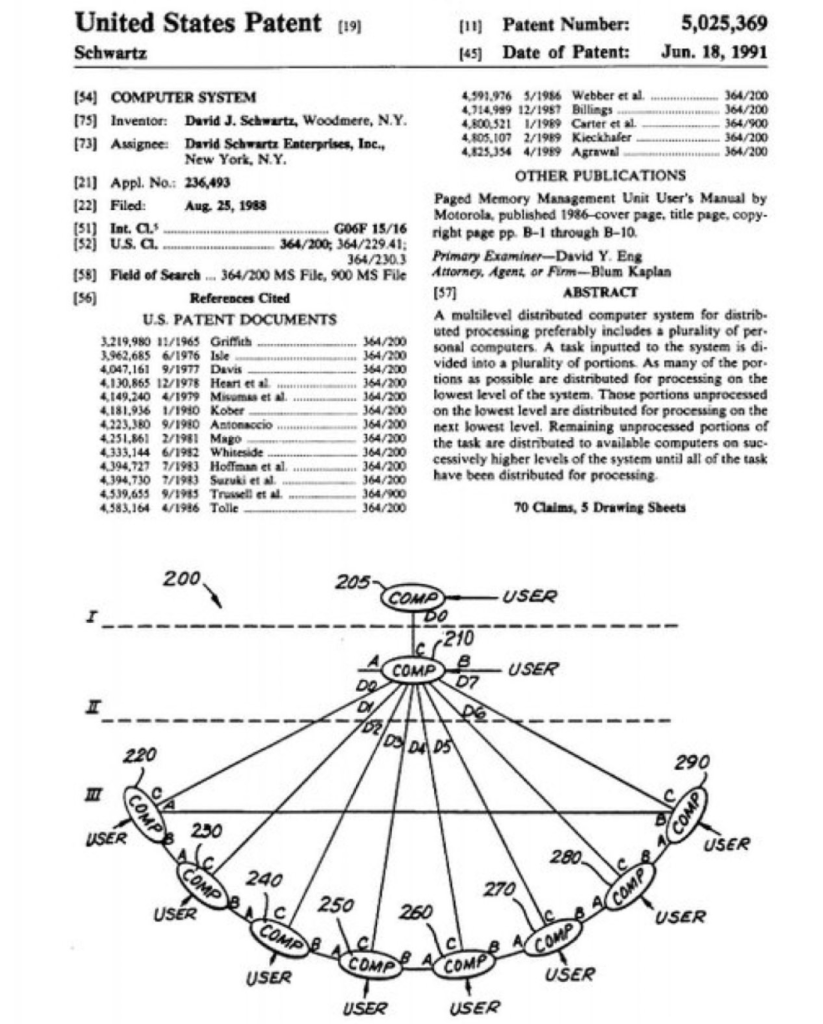
What Ryan Fugger Built Before Bitcoin
The confusion starts with Ryan Fugger.
Around 2004, Fugger designed a decentralized payment and settlement idea that later became known as RipplePay. This was roughly five years before Satoshi Nakamoto released the Bitcoin white paper and before Bitcoin’s first block was mined in January 2009.
So yes, part of Ripple’s conceptual history reaches back before Bitcoin.
But Schwartz explained that Fugger’s system did not include a decentralized token. It was not a blockchain asset, and it did not operate like Bitcoin or XRP Ledger. Instead, RipplePay worked more like a trust-based credit network, where users routed value through relationships and agreements they already had with one another.
There was no native coin. No open-market digital asset. No shared cryptographic ledger in the modern sense.
That is the key difference.
XRP Launched After Bitcoin
The XRP Ledger went live in 2012, three years after Bitcoin’s genesis block. The protocol was built by Jed McCaleb, Arthur Britto, and David Schwartz before Ripple later became closely associated with the network’s development and ecosystem.
That timeline makes the answer clear. RipplePay’s original concept may predate Bitcoin, but XRP itself does not.
The claim that XRP goes back decades, or that it existed before Bitcoin as a digital asset, does not hold up when looking at the actual launch dates. A payment idea from 2004 is not the same thing as a live crypto token launched in 2012.
And in an industry where narratives can move markets, that kind of historical accuracy matters more than it might seem.

Why the Debate Keeps Coming Back
Crypto communities often build strong origin stories around their favorite assets. Sometimes those stories are useful. Other times, they blur important details.
XRP’s early roots are genuinely interesting, especially because RipplePay explored alternative payment networks before Bitcoin became a global phenomenon. But Bitcoin introduced the first widely recognized open bearer asset secured by proof of work. XRP Ledger later introduced its own model for fast settlement and decentralized value transfer, but it arrived after Bitcoin, not before.
The latest debate fits a broader pattern across crypto. Earlier this year, another claim that Bitcoin was created by the CIA also drew widespread pushback. In both cases, old theories gained traction because they sounded dramatic, even when the details did not fully support them.
XRP Holds Near $1 as Ripple Expands in Europe
The history debate comes while XRP is facing pressure in the market. The token recently tested the $1 psychological level after sliding sharply from earlier highs, leaving investors divided over whether it can stabilize or break lower.
At the same time, Ripple continues pushing forward as a company. Its recent approval under Europe’s MiCA framework through a Luxembourg license expands its regulatory reach across the continent and gives the firm a stronger foundation for future operations in the region.
So while XRP’s origin story may be getting attention again, Ripple’s next chapter may matter more for investors. The token did not predate Bitcoin. But its role in payments, regulation, and cross-border finance remains the bigger question going forward.
Disclaimer: BlockNews provides independent reporting on crypto, blockchain, and digital finance. All content is for informational purposes only and does not constitute financial advice. Readers should do their own research before making investment decisions. Some articles may use AI tools to assist in drafting, but every piece is reviewed and edited by our editorial team of experienced crypto writers and analysts before publication.






 English (US) ·