
 58 minutes ago
11
58 minutes ago
11
Uniswap founder Hayden Adams says the protocol’s annualized UNI burn rate has passed $250 million, up from the $200 million pace he flagged days earlier.
Key Takeaways
- Hayden Adams said on Sept. 8 that Uniswap’s annualized UNI burn rate had climbed above $250 million.
- The pace rose from roughly $200 million within days, tracking a jump in decentralized exchange volume.
- UNI trades near $7.00 after starting June around $2.47, with the burn now a core part of the bull case.
From $200M to $250M in a Single Post
Adams marked the milestone with a simple message, “Update: now over $250m,” quoting his own earlier post noting that the trailing seven-day UNI burn was “getting close to $200m/yr” and adding that “we’re not even in the bull market yet.”
The figure is an annualized run rate, not a total. It takes the value of UNI destroyed over the past seven days and projects it across a full year, which makes it a sensitive measure. A busy week of trading pushes it up quickly, and a quiet one pulls it back down just as fast.
That said, a jump from roughly $200 million to more than $250 million happening inside a handful of days implies decentralized exchange volume running hot rather than a change to the mechanism itself.
How the Burn Machine Works
The engine behind the number is UNIfication, the governance overhaul Adams unveiled in late 2025 alongside Uniswap Labs and the Uniswap Foundation.
Before it, every trading fee on Uniswap went to liquidity providers, and the long-debated “fee switch” stayed off. UNIfication turned it on. A slice of protocol fees is now routed away from liquidity providers, used to buy UNI, and sent to an address no one can spend from, permanently shrinking supply.
Token holders approved the proposal in governance in December 2025, and execution followed within days, including an upfront burn of 100 million UNI. The plan also set aside a 20 million UNI annual growth budget beginning in 2026 to fund ecosystem development.
The result converts Uniswap’s activity into a supply sink. The more people trade, the more UNI disappears, which is why a run-rate figure moves with market conditions rather than sitting still.
The Robinhood Chain Effect
The recent acceleration has an identifiable source. Bitcoin.com News reported late last week that Uniswap burned 184,000 UNI worth about $1.15 million in a single day, with roughly 150,000 of those tokens tied to Robinhood Chain, which had crossed $3 billion in daily decentralized exchange volume.
Set that against where the mechanism stood in early summer. On June 5, a 24-hour burn of 134,000 UNI was a record; cumulative value returned through the mechanism sat near $14.15 million, and UNI traded at $2.47.
Three months later, the daily record has been beaten, the annualized pace has crossed $250 million, and UNI changes hands near $7.00. The token has roughly tripled from its June level, outrunning a Standard Chartered forecast that pegged UNI at $6.50 for 2026.
The Line Under the Number
The most quotable part of Adams’ post was not the figure but the aside attached to it, i.e. the burn is running at this pace without a bull market.
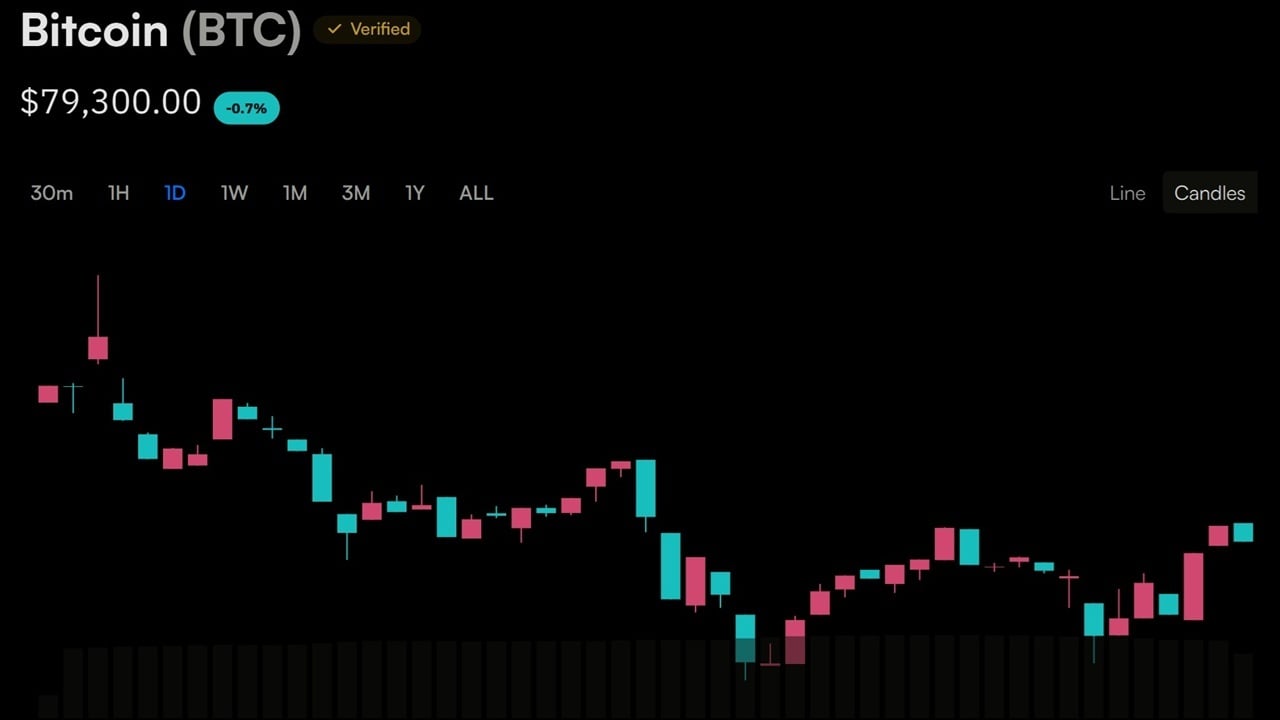
That claim is doing real work as bitcoin’s price has spent September stalling below $80,000 while traders wait on U.S. inflation data, and ether has been pinned in a narrow range for weeks. If a quarter-billion-dollar annual burn rate is what Uniswap produces in a flat tape, the implication is that a genuine risk-on stretch would push it considerably higher.
What is no longer in dispute is that the fee switch works as designed. The argument has moved on from whether Uniswap can capture value to how much of it survives the next slow quarter.




 English (US) ·