
 2 hours ago
25
2 hours ago
25
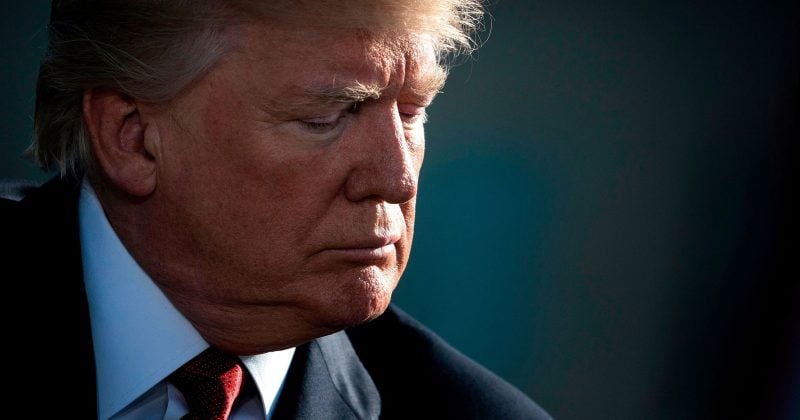
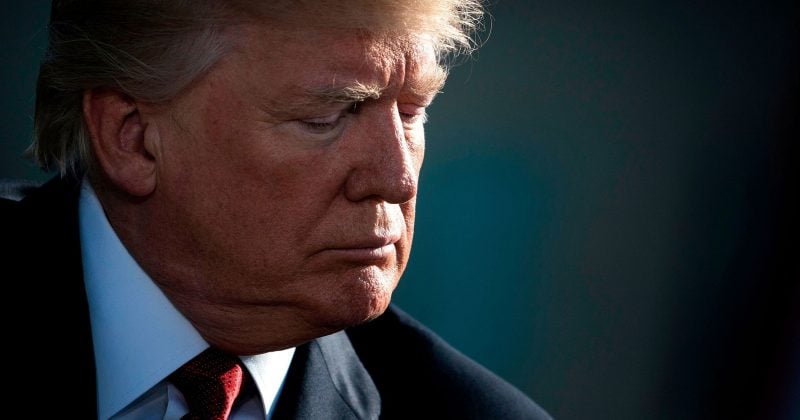
When the most powerful prince in the Middle East picks up the phone to tell the U.S. president to cool it, markets listen. Saudi Crown Prince Mohammed bin Salman has urged Donald Trump to avoid further military escalation against Iran, a direct intervention that reflects just how fragile the regional order has become, and how much Riyadh has at stake if it fractures further.
This is not the first time MBS has played diplomatic backstop. In January 2026, the Crown Prince privately cautioned Trump against striking Iran, a warning that reportedly contributed to a delay in U.S. military action. When those strikes did eventually come in February 2026, the region had already been primed for weeks of anxious repositioning.
Why Riyadh is playing peacemaker
Saudi Arabia occupies an uncomfortable seat at this table. It shares a deep security partnership with Washington, but it also shares a neighborhood with Tehran. A full-scale U.S.-Iran war would not stay contained to the parties directly involved. It would ripple through Gulf shipping lanes, oil infrastructure, and every economy downstream of both.
The late July 2026 communication to U.S. officials represents a continuation of that pressure campaign. The message, in essence: de-escalate, and do it now.
The Strait of Hormuz sits at the center of this equation. Roughly one-fifth of the world’s oil supply moves through that narrow passage, and any serious military confrontation between the U.S. and Iran would put that flow at immediate risk.
Where Bitcoin enters the picture
In June 2026, Iran began accepting Bitcoin as payment for Strait of Hormuz transit fees. A state under Western sanctions started denominating a strategic chokepoint toll in a decentralized digital asset.
The market noticed. Bitcoin experienced significant volatility across the arc of this conflict, an initial sell-off as tensions spiked, followed by a rally of nearly 18% during periods when diplomatic signals suggested the situation might cool.
The Iran transit fee development adds a layer on top of that. If sanctioned nations begin routing real economic activity through Bitcoin, that introduces a structural demand floor that has nothing to do with retail sentiment or ETF inflows. It is transactional demand, and it is harder to reverse than speculative demand.
Oil prices remain the more immediate transmission mechanism. A spike in crude driven by Hormuz disruption hits inflation expectations, pressures central banks, and tightens the macro environment that risk assets including Bitcoin trade in.
What investors should watch
The diplomatic channel between Riyadh and Washington is arguably the most important variable in this conflict that markets are not pricing cleanly. When MBS’s warnings have previously contributed to delayed military action, that track record gives them market relevance.
Traders should watch oil price movement as the most sensitive real-time indicator of whether de-escalation is holding. A sustained decline in crude would suggest the market is buying the diplomatic narrative. A sudden spike would mean someone did something that the phone calls could not prevent.
Bitcoin’s behavior in this cycle has reinforced the case that it functions as a macro hedge, imperfect and volatile, but directionally responsive to the same geopolitical inputs that move gold and oil. The 18% rally during eased-tension windows reflects capital rotating back into risk assets when existential fear recedes.
Disclosure: This article was edited by Editorial Team. For more information on how we create and review content, see our Editorial Policy.





 English (US) ·