
 1 hour ago
19
1 hour ago
19
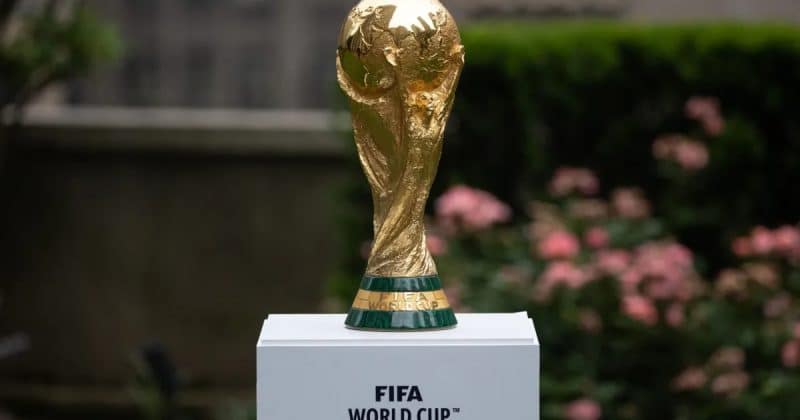
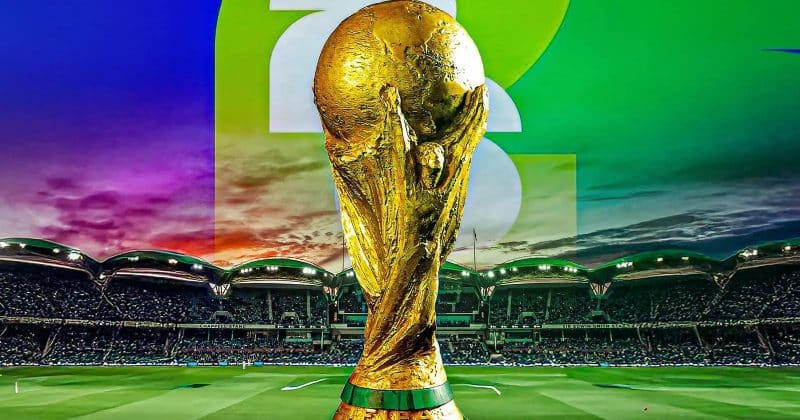
Of the 48 nations competing in the 2026 FIFA World Cup, the scheduling algorithm managed to produce a group-stage finale that reads like a sociology thesis. Iran versus Egypt, two countries where same-sex relations are criminalized, playing on June 26 in Seattle, right in the middle of the city’s annual Pride weekend.
SeattleFWC26, the local organizing committee, didn’t flinch. They branded the match as a “Pride Match Day.”
The setup no screenwriter would dare pitch
SeattleFWC26 had committed to the Pride Match branding before the official team draw even took place in December 2025. The committee, which includes representatives from Seattle Sounders FC and Seattle Reign FC, made clear that inclusivity was part of the city’s hosting DNA, not a reaction to whoever ended up on the schedule.
Then the draw happened. And Group G delivered Iran and Egypt to Seattle on June 26, 2026.
Both nations’ football federations pushed back. Iran’s Football Federation and Egyptian officials requested that FIFA block LGBTQ+ activities and symbols surrounding the match, citing their respective religious and legal frameworks. In both countries, same-sex relations carry severe legal penalties, including imprisonment.
FIFA sided with the host city. The governing body confirmed that rainbow flags and related symbols would be welcomed at the stadium, consistent with its code of conduct for the tournament. The match would proceed under SeattleFWC26’s branding as planned.
The game itself ended 1-1, punctuated by a controversial last-minute Iranian goal that was overturned.
Why a soccer match matters beyond the pitch
FIFA has more member nations than the United Nations. That means World Cup host cities routinely navigate cultural fault lines that diplomats spend careers trying to smooth over.
This isn’t the first time a World Cup has collided with LGBTQ+ rights debates. Qatar’s 2022 tournament generated months of controversy over the Gulf state’s laws on homosexuality. FIFA’s response then was widely criticized as inconsistent, with conflicting messages about whether rainbow symbols would be permitted inside stadiums.
By deferring to local organizing committees on cultural programming, FIFA effectively outsourced the values question to host cities. In Seattle, a city that has hosted Pride events for decades, the answer was never in doubt.
The crypto and Web3 angle, or lack thereof
FIFA has been an active participant in the digital asset space in recent years. The organization partnered with Algorand as its official blockchain platform ahead of the 2022 World Cup and has explored fan token initiatives through various partners. Chiliz, the company behind Socios.com, has built a business model around football fan tokens for clubs and national teams.
But the Pride Match Day story is fundamentally a cultural and human rights story, not a financial one. No fan token moved on the news. No blockchain protocol was implicated. The market implications are, to put it plainly, zero.
Ethereum’s community has debated similar tensions around sanctioned entities using the network. Tornado Cash’s legal saga raised questions about whether neutral infrastructure can exist when governments demand compliance with specific value systems.
For investors in sports-adjacent tokens and fan engagement platforms, the Pride Match Day episode is worth watching as a case study in brand risk. A fan token tied to a federation that publicly opposes LGBTQ+ rights faces reputational exposure in Western markets. A platform that censors Pride content to appease certain federations faces backlash in others.
Disclosure: This article was edited by Editorial Team. For more information on how we create and review content, see our Editorial Policy.


 English (US) ·