
 1 hour ago
15
1 hour ago
15
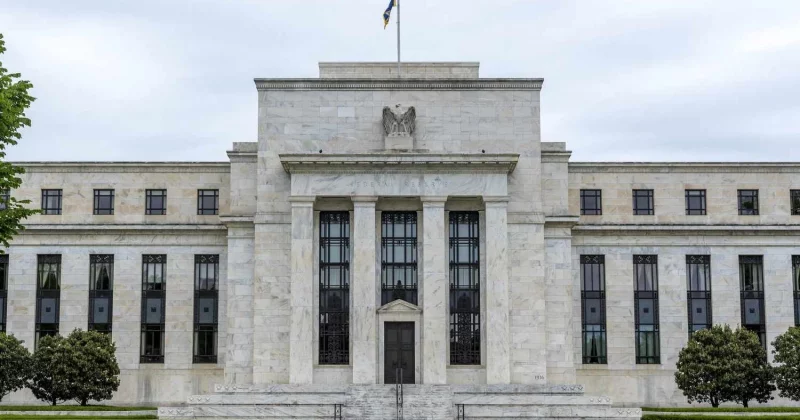
The SEC was supposed to release its framework for letting crypto platforms trade tokenized versions of US stocks sometime between May 18 and 22. That didn’t happen.
The agency has postponed its “innovation exemption” after receiving pointed feedback from traditional stock exchanges and other market participants who raised concerns about investor protection and what they see as an uneven competitive playing field.
What the framework would have done
The proposed exemption was designed to let crypto platforms and decentralized finance protocols trade blockchain-based representations of public equities, think tokenized shares of Apple, Tesla, and Nvidia, under streamlined regulations. The framework included some genuinely ambitious features: 24/7 trading, fractional ownership, and rapid settlement.
Perhaps most controversially, the draft would have allowed third-party tokenization without requiring consent from the company whose stock was being tokenized. In English: someone could create a blockchain version of Tesla stock and trade it on a crypto exchange without Tesla signing off on it.
The framework also reportedly included potential relief from certain broker-dealer requirements.
Why the delay happened
Both Nasdaq and NYSE, along with other market participants, raised flags about investor protection and what they see as an uneven competitive playing field.
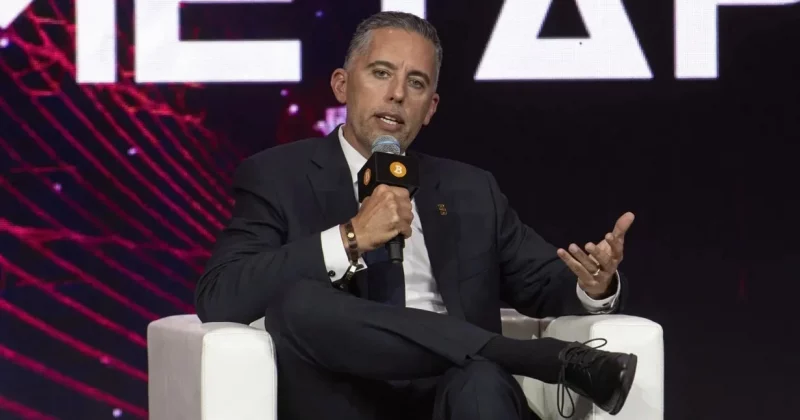
Securitize President Brett Redfearn highlighted what he called the risks of market fragmentation that could arise from allowing third-party tokenization without issuer consent.
The SEC didn’t kill the proposal. It shelved it for further internal review. The agency hasn’t provided a new timeline for when the framework might resurface.
The bigger picture
This delay is notable because it comes despite what has been a markedly more crypto-friendly regulatory posture at the SEC. Chair Paul Atkins has been a vocal advocate for tokenization since taking the helm in mid-2025, framing blockchain-based securities as a natural evolution of capital markets rather than a threat to them.
What this means for investors
For anyone watching the tokenized securities space, the delay introduces a period of genuine uncertainty. Without clear regulatory guidance, the legal status of trading tokenized versions of popular equities remains ambiguous. Projects and platforms that were building toward this framework now have to wait while the SEC figures out its approach.
Disclosure: This article was edited by Editorial Team. For more information on how we create and review content, see our Editorial Policy.




 English (US) ·