
 1 month ago
69
1 month ago
69
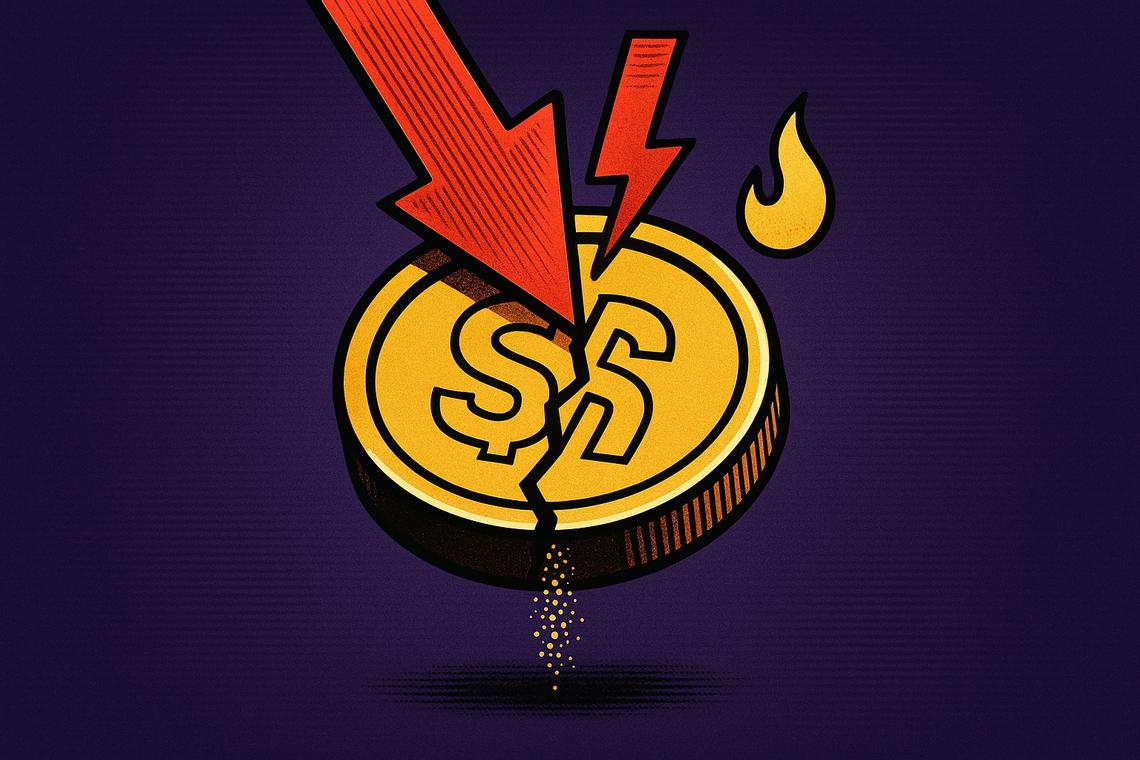
Gold futures on the Shanghai Futures Exchange fell more than 4% on June 11, 2026, dragging silver prices lower at the same time as other China commodity futures moved higher. The sharp split in the Shanghai gold selloff commodity market showed a market caught between inflation-driven rate fears and geopolitical risk, with no easy balance in sight.
That divide was visible across trading screens in Shanghai. Precious metals sold off hard, while energy and industrial contracts gained. Meanwhile, spot gold touched as low as $4,022.09 per ounce, a level last seen in November, before recovering to close at $4,089.12 after short covering. For now, the key question is whether the U.S. Federal Reserve will hike interest rates before the year ends.
The answer matters because gold yields no earnings. As a result, higher interest rates can make the metal less attractive than yield-bearing assets, even when inflation and political tensions are still running hot.
Why the Shanghai gold selloff hit precious metals first
Gold and silver prices fell as traders priced in higher rates
The selloff in Shanghai was fast and decisive. Gold futures opened with a drop of more than 4%, and silver moved down with them. By contrast, most other commodities on Chinese exchanges were heading in the opposite direction that morning, which made the precious metals weakness stand out even more.
Matt Simpson, a market analyst at StoneX Group, said $4,000 is an obvious support level that could prompt bears to take profits or pull sidelined buyers back in. That threshold matters because the next move may depend heavily on U.S. inflation data and Federal Reserve expectations.
US inflation and Fed rate hike odds are driving the market split
Inflation hit a three-year high, lifting rate expectations above 70%
The immediate catalyst for the move was the latest U.S. Consumer Price Index report, which showed inflation at its highest level in three years. Rising energy prices, along with ongoing U.S.-Iran tensions, helped push the reading higher than many traders expected.
Markets reacted quickly. According to the CME FedWatch Tool, traders now assign more than a 70% probability to rate hikes in the coming months. That shift has been important for gold, because the metal does not pay interest. In practice, that means higher rates can weaken gold’s appeal while making yield-bearing assets more competitive.
At the same time, the same geopolitical pressures lifting inflation are also the kind of risks that usually support safe-haven demand. However, in this case, those forces are colliding rather than reinforcing each other. That is the core tension behind the Shanghai gold selloff commodity market and the wider split across commodities.
China commodity futures moved in opposite directions
Energy and industrial contracts gained while precious metals lagged
While gold and silver fell in Shanghai on June 11, the rest of China commodity futures told a very different story. Polysilicon led the morning session with gains of more than 4%. Low-sulfur fuel oil climbed nearly 4%. Palladium, liquefied petroleum gas, SC crude oil, methanol and lithium carbonate each rose by more than 3%.
The reason was straightforward. Iran’s announcement that it had blocked the Strait of Hormuz, after new American strikes, sent oil prices up by more than $2 in a single session. Supply disruptions feed directly into energy prices, and those higher prices can also deepen inflation pressures. As a result, the same shock that supported oil and fuel futures helped weigh on gold.
China cut crude imports and adjusted metals trade flows
China responded to higher energy prices with a practical mix of stockpiling and substitution. Instead of taking more expensive Saudi crude, Beijing drew down stored Russian and Iranian oil. Chinese crude oil imports fell by 29%, reaching as low as 7.79 million barrels per day in May, the lowest level in eight years.
The metals trade showed a similar calculation. Copper imports fell 7% in the first five months of 2026 compared with the same period in 2025, as London copper prices rose 9.6% year-to-date and made imports less attractive. Aluminium moved in the other direction, with Chinese producers increasing exports to 632,000 tons in May as higher international prices created an opening after supply losses in the Middle East.
Reuters columnist Clyde Russell described the pattern as a calculated adjustment. China is not absorbing every cost, but it is also not stepping away from the market. Instead, it is shifting trade flows in response to price signals, and that in turn affects global commodity markets.
Gold demand in 2026 is changing beyond the daily selloff
Investment demand is set to overtake jewelry demand for the first time
The June 11 move is unfolding against a bigger structural change in gold demand 2026. According to Metals Focus, physical investment demand for gold is on track to surpass jewelry demand for the first time ever in 2026. Jewelry demand is projected to fall 11% this year, pressured by persistently high prices that are pushing some buyers out of the market.
That shift matters because investment demand tends to move faster than jewelry demand. It is more sensitive to price swings and sentiment, which can make the market more volatile in both directions. In other words, a gold market driven more by investors than by jewelry buyers can react more sharply when macro conditions change.
Metals Focus projects an average gold price of $4,920 per ounce in 2026, which would be a 43% rise from 2025. Even so, the near-term picture remains under pressure from rates, inflation and shifting capital flows.
Central banks may scale back net gold buying
Another important forecast involves central banks. Net gold purchases are expected to fall by double digits in 2026 as governments facing weak currencies and high energy costs look to sell gold holdings to support their finances.
That would mark a notable shift from recent years, when central bank buying provided one of the steadiest supports for gold prices. If those buyers become net sellers, the market would lose a major source of demand just as other headwinds are building.
For now, gold is dealing with a rare mix of pressures: interest rate expectations are rising, central bank support may fade and geopolitical risk is still real. However, much of that risk is flowing into energy commodities rather than precious metals.
What could move gold prices next
Two upcoming events are likely to guide the next major move in gold. First is the Producer Price Index, or PPI, data release. If it comes in stronger than expected, it would support the case for higher rates and could add more selling pressure to precious metals. If the report is softer, gold may have room to recover. Simpson said that, without a PPI surprise, a technical rebound would be reasonable.
The second event is the reopening of the Strait of Hormuz. As long as the waterway remains blocked, energy prices are likely to stay elevated, inflation pressure will remain sticky and the Fed’s tightening bias will stay in focus. If the Strait reopens, that chain of pressure could ease quickly and take some of the heat out of both energy markets and gold.
Until then, commodity markets remain split between macroeconomic discipline and geopolitical disruption, and the Shanghai gold selloff commodity market has become one of the clearest signs of that tension.
FAQ
Why did gold futures on the Shanghai Futures Exchange drop sharply on June 11, 2026?
Gold futures on the Shanghai Futures Exchange fell more than 4% on June 11, 2026, after a global gold selloff driven by rising U.S. inflation data and higher expectations of Federal Reserve interest rate hikes. Because gold yields no earnings, it becomes less attractive when rates rise.
How are US inflation and Federal Reserve rate hike expectations affecting the commodity markets?
The latest U.S. Consumer Price Index showed inflation at its highest level in three years, pushing the probability of Fed rate hikes above 70% according to the CME FedWatch Tool. That has increased selling pressure on gold while supporting yield-bearing assets and energy commodities.
What explains the divergence between gold and silver and other Chinese commodity futures?
Precious metals fell on June 11, while energy and industrial futures in China gained. Polysilicon rose more than 4%, low-sulfur fuel oil climbed nearly 4%, and several other commodities gained more than 3%. Supply disruptions tied to Iran’s blockade of the Strait of Hormuz pushed energy prices higher, while the rate-hike outlook weighed on gold and silver.
How has China adjusted its commodity imports in response to global energy price changes?
China cut crude oil imports by 29%, to as low as 7.79 million barrels per day in May, by using stored Russian and Iranian crude instead of paying higher prices for Saudi oil. Copper imports fell 7% in the first five months of 2026, while aluminium exports rose to 632,000 tons in May as producers took advantage of higher international prices.
What upcoming events could influence gold prices further?
Two events are closely watched: the upcoming Producer Price Index data release and the possible reopening of the Strait of Hormuz. The PPI reading could reinforce or ease rate-hike expectations, while a reopening of the Strait could reduce energy pressure and ease the inflation backdrop weighing on gold.





 English (US) ·