
 2 months ago
70
2 months ago
70
- €24M crypto fraud probe targets football stars linked to Shirtum
- Investors claim NFTs were never minted or transferable
- Token manipulation allegedly caused majority of financial losses
The Shirtum case is getting bigger, and honestly, a lot messier. What started as a questionable NFT project is now a full-scale investigation involving six former Sevilla FC players, with alleged losses climbing past €24 million.
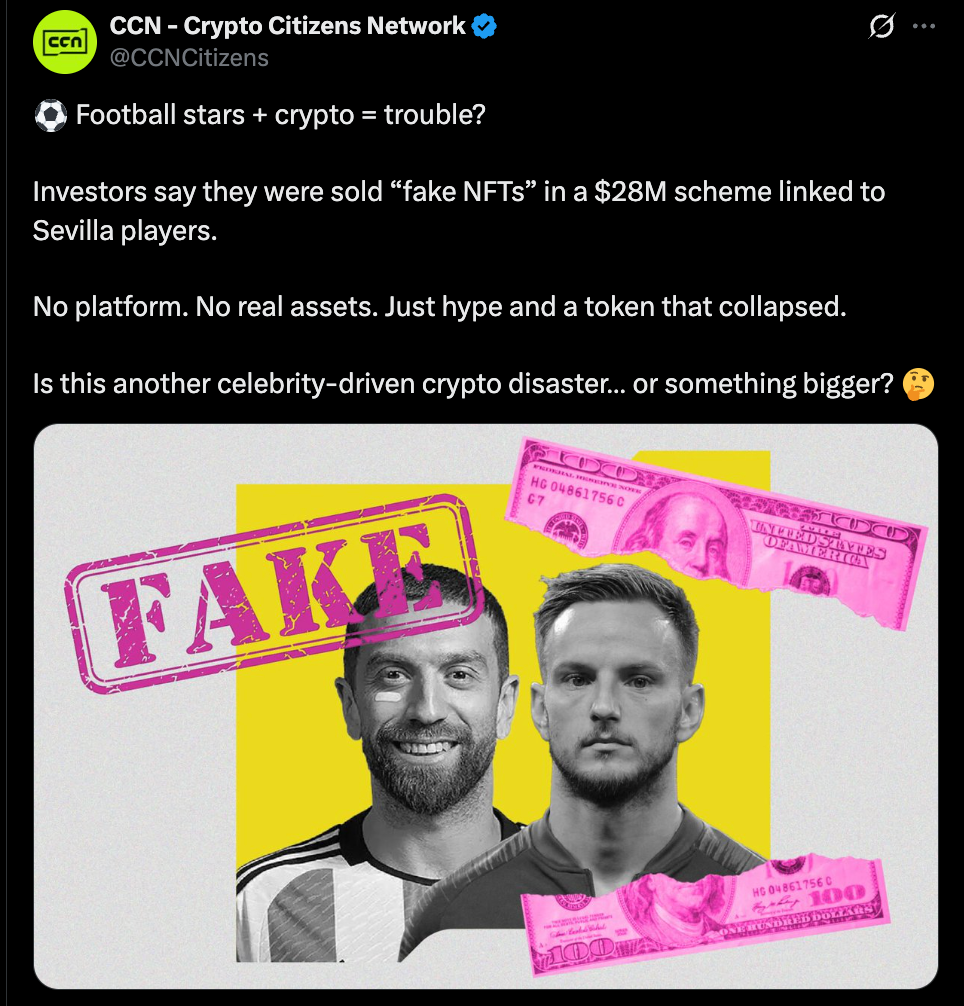
At the center of it all is a pretty simple claim, investors paid for NFTs that, in many cases, didn’t actually exist on-chain.
NFTs That Weren’t Really NFTs
Shirtum marketed “filmic NFTs” tied to football stars, promising exclusive digital collectibles with added features like voice recordings. On paper, it sounded like a fairly standard Web3 pitch, especially during the peak of NFT hype.
But when investors checked the blockchain, the assets weren’t there, not properly minted, not transferable, and essentially unusable, which turns the entire premise into something very different.
The App That Never Arrived
Beyond the NFTs, there was also a broader platform promised, a mobile app funded with millions in crypto contributions. That app, according to complaints, was never built, and the funds raised for it were never clearly accounted for.
The company later claimed a hack as the reason for missing funds, but the lack of a formal police report has raised… obvious questions.
The Token Dump Behind the Scenes
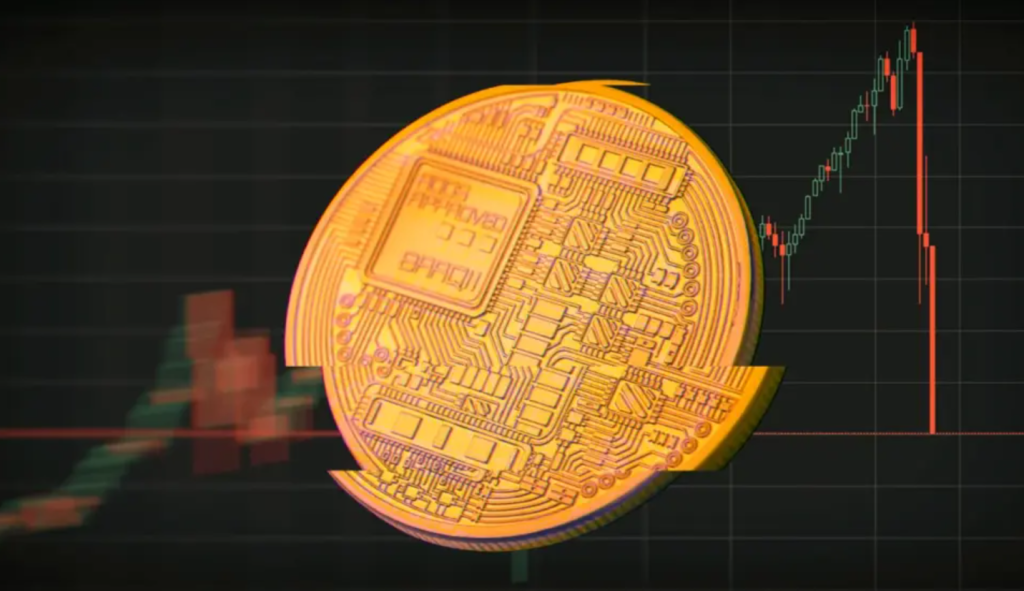
While the NFT issue is serious, the larger financial damage seems tied to the project’s token, $SHI. Insiders reportedly controlled around 78% of the supply and sold those tokens into the market while promoting the project, creating demand before exiting their positions.
That kind of structure, if proven, points to coordinated manipulation rather than just mismanagement.
Why Football Was Part of the Strategy
The involvement of football players isn’t random either. After gambling sponsorships were restricted in Spain, crypto projects stepped in to fill the gap, offering new revenue streams and visibility.
That gave projects like Shirtum direct access to athletes, which helped build credibility, even if the underlying product didn’t match the promise.
A Case That’s Still Unfolding
No arrests have been made so far, and the players involved haven’t issued public responses yet. But the scope of the investigation is expanding, not shrinking, and it’s becoming one of the clearest examples of how celebrity-backed crypto projects can go wrong.
If anything, this case highlights a recurring issue in the space, when hype, influence, and weak oversight come together, the outcome tends to look a lot like this.
Disclaimer: BlockNews provides independent reporting on crypto, blockchain, and digital finance. All content is for informational purposes only and does not constitute financial advice. Readers should do their own research before making investment decisions. Some articles may use AI tools to assist in drafting, but every piece is reviewed and edited by our editorial team of experienced crypto writers and analysts before publication.





 English (US) ·