
 1 hour ago
19
1 hour ago
19
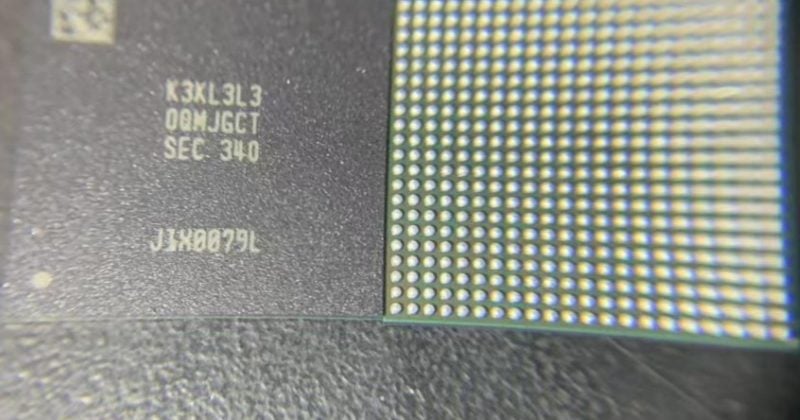
SK Hynix, the South Korean memory chip giant, is targeting roughly $28 billion in net proceeds from its upcoming American depositary receipt listing on Nasdaq. That figure makes this one of the largest foreign company offerings the US market has ever seen.
The company plans to issue 17.79 million new shares, with ten ADRs representing one common share. Trading is expected to begin as early as July 10, 2026, giving US investors direct access to a company that controls over 60% of the high-bandwidth memory market.
What SK Hynix is actually selling
The company filed with the SEC on June 24 and launched the offering on July 6. At announcement, the total raise was pegged at approximately $29 billion, with net proceeds landing around $28 billion after the usual underwriting fees and expenses.
Demand for HBM products has been surging as companies race to deploy AI infrastructure at scale. Nvidia’s GPUs, which dominate the AI training market, rely heavily on SK Hynix’s memory technology. In June 2026, the two companies announced a multiyear partnership to co-develop next-generation AI memory technologies.
Why this matters beyond semiconductors
SK Hynix’s share price has posted significant gains year-to-date on its home exchange in Seoul, riding the broader AI momentum that has lifted semiconductor stocks globally. A Nasdaq listing provides access to US institutional capital that trading on a Korean exchange does not.
With $28 billion in fresh capital, SK Hynix can accelerate its manufacturing buildout, fund next-generation HBM development, and potentially acquire complementary technologies. The company already holds a commanding position with over 60% market share in HBM.
What this means for investors
SK Hynix’s dominance in HBM creates a concentration risk for the entire AI ecosystem. Over 60% market share in a critical component means that any disruption to SK Hynix’s operations would ripple through every company building AI products.
The multiyear technology collaboration with Nvidia adds another layer to watch. As the two companies co-develop next-gen memory, the specifications they choose will influence what kinds of AI workloads become feasible at scale.
Disclosure: This article was edited by Editorial Team. For more information on how we create and review content, see our Editorial Policy.






 English (US) ·