
 1 month ago
42
1 month ago
42
South Africa’s central bank is preparing to do something it hasn’t done since May 2023: raise interest rates. Oil prices, driven higher by the Iran conflict that began on February 28, 2026, are pushing fuel costs through the roof and dragging inflation along for the ride.
The South African Reserve Bank held its repo rate at 6.75% in a unanimous decision on March 26, 2026. But the language around that hold was anything but comfortable. The SARB flagged significant risks from energy-related inflation, essentially telegraphing that the next move is likely upward.
The numbers tell the story
South Africa is a net oil importer. When Brent crude spikes because of a geopolitical conflict, it pays the bill directly at the pump, and that cost cascades through the entire economy.
Fuel inflation is projected to exceed 18% in the second quarter of 2026. That pressure is expected to push headline CPI toward 4%. The SARB’s inflation target is 3%, and recent readings have hovered around 3.0% to 3.1%.
Morgan Stanley and Bank of America have both shifted their forecasts to reflect this new reality. Both firms now predict a 25 basis point rate hike at the next Monetary Policy Committee meeting, scheduled for May 28, 2026. The SARB has said it will closely monitor economic developments before making any changes.
Why the Iran conflict changes everything
The conflict involving Iran, which began on February 28, 2026, has been the primary catalyst for surging oil prices globally. After its last rate hike in May 2023, the SARB spent nearly three years holding steady while inflation gradually moderated toward target, with readings sitting right around the 3% sweet spot.
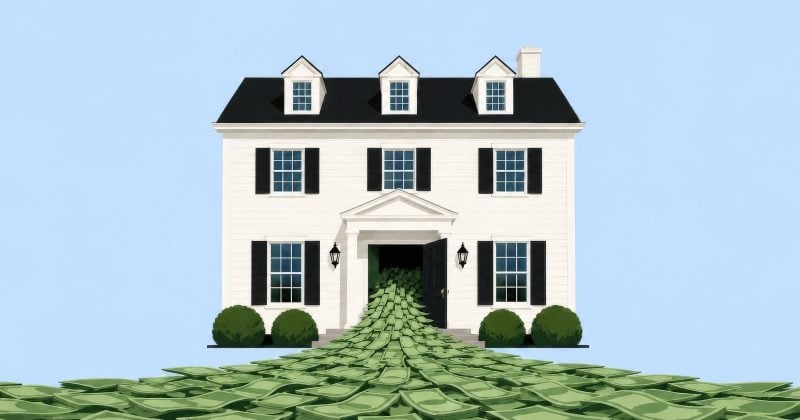
The repo rate at 6.75% is already elevated by historical standards. Pushing it to 7.00% would increase borrowing costs for businesses and consumers across the board, from mortgage rates to corporate lending.
What this means for investors
Higher rates in emerging markets tend to attract foreign capital, as investors chase better yields. That could strengthen the South African rand against major currencies in the near term, providing some natural offset to imported inflation.
Tighter monetary policy slows economic growth. South African banks would see their net interest margins shift, lending volumes could decline, and rate-sensitive sectors like real estate would feel the pinch.
For crypto markets specifically, the SARB’s deliberations do not involve digital assets, and there is no indication that rate policy is being shaped by crypto-related considerations. When traditional savings rates rise, the opportunity cost of holding non-yielding assets like Bitcoin increases. Conversely, rising inflation in emerging economies has historically driven interest in decentralized finance as individuals seek alternatives to currencies losing purchasing power.
Disclosure: This article was edited by Editorial Team. For more information on how we create and review content, see our Editorial Policy.



 English (US) ·