
 1 hour ago
17
1 hour ago
17
SpaceX is about to go public, and apparently every investor on the planet wants in. The company’s planned $75 billion initial public offering has attracted roughly $350 billion in bids from eager investors, representing an oversubscription ratio that makes most hot IPOs look like a quiet afternoon at a yard sale.
The Elon Musk-led aerospace company plans to list on Nasdaq under the ticker SPCX on June 12, 2026, pricing shares at $135 each. At that price, SpaceX would sell approximately 555.6 million shares and emerge with a post-IPO valuation somewhere between $1.75 trillion and $1.8 trillion. For context, that would make it the largest IPO in history, comfortably surpassing Saudi Aramco’s record-setting 2019 debut.
The numbers behind the frenzy
With $350 billion in bids chasing $75 billion in shares, the vast majority of investors who placed orders will walk away empty-handed.
The public float is targeted at approximately 4% of the company. That’s a deliberately thin slice of equity hitting the open market, which creates a classic supply-demand imbalance.
SpaceX confidentially filed with the SEC back in April 2026, with final pricing expected to be nailed down around June 11. The IPO follows a significant corporate restructuring. In February 2026, SpaceX completed an all-stock merger with xAI, Musk’s artificial intelligence venture.
Musk keeps the keys
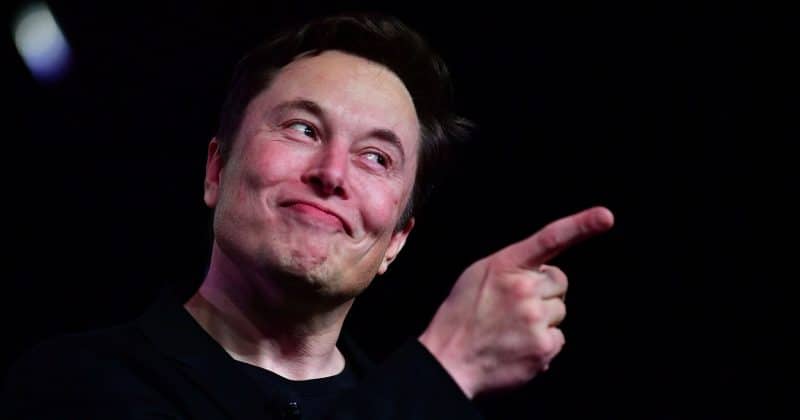
Despite raising $75 billion from public investors, Elon Musk isn’t giving up the steering wheel. SpaceX is employing a dual-class share structure, the same governance mechanism used by companies like Meta and Alphabet to let founders retain voting control even as they dilute their economic ownership.
What this means for investors and broader markets
Saudi Aramco’s 2019 IPO raised about $25.6 billion and was considered enormous at the time. SpaceX is targeting three times that amount.
Crypto markets are already reacting to the anticipation. On-chain prediction platforms and derivatives markets have been pricing SpaceX’s potential valuation even higher than the IPO implies, with some estimates ranging from $2 trillion to $2.4 trillion.
The 4% float also introduces a practical concern. Thin public floats tend to produce volatile early trading. Institutional investors who didn’t receive full allocations in the IPO will likely be competing for shares on the open market.
Disclosure: This article was edited by Editorial Team. For more information on how we create and review content, see our Editorial Policy.







 English (US) ·