
 1 hour ago
10
1 hour ago
10
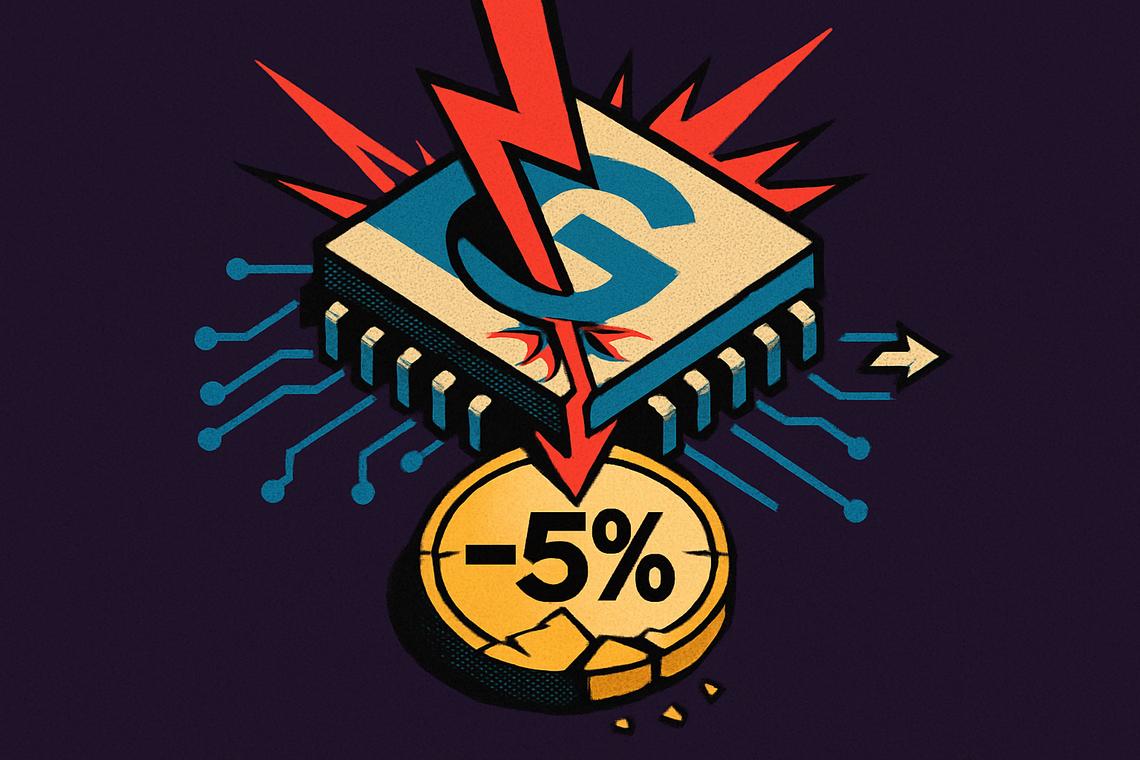
SpaceX just flooded the market with roughly 911.5 million newly tradable shares worth approximately $100 billion. The stock didn’t blink.
The August 6 lockup expiration, the first major one since SpaceX’s blockbuster June 2026 IPO, more than doubled the company’s public float. Before the unlock, fewer than 280 million shares were available for trading. Now that number has swelled past 1.1 billion.
Why the stock held steady
The short answer: earnings momentum and smart lockup engineering. SpaceX posted a strong Q2 earnings report ahead of the unlock date, giving shareholders a reason to hold rather than dump.
Rather than releasing all restricted shares in a single cliff event, SpaceX opted for a staggered schedule. The August tranche was the first wave. Additional shares will become tradable through the rest of 2026, with up to 40% of total shares potentially unlocked by December.
Some of the largest insider positions, including those held by CEO Elon Musk, remain locked up for a longer period.
The IPO that broke records
The June 2026 IPO was one of the largest ever recorded, drawing more than $70 billion in retail orders alone. Pre-IPO tender offerings had already pushed the company’s valuation toward $800 billion before a single public share changed hands.
With shares trading in the $110 to $135 range around the lockup date, the newly unlocked tranche alone represents a value of approximately $100 billion. Starlink, SpaceX’s satellite internet division, has become the primary narrative driver for public market investors, with its recurring revenue model giving the company a financial profile that looks more like a tech subscription business than a traditional aerospace contractor.
What this means for investors and the broader market
For crypto markets, the SpaceX story carries indirect but real implications. Elon Musk’s business empire has historically moved digital asset prices, particularly Dogecoin and Bitcoin. A stable, high-performing SPCX stock reduces the likelihood that Musk or other SpaceX insiders need to liquidate adjacent holdings, including any crypto positions, to rebalance portfolios.
The next test comes as additional tranches unlock through December 2026 and into 2027. Staggered unlocks mean staggered tests, and each one resets the question of whether demand can keep pace with supply.
Disclosure: This article was edited by Editorial Team. For more information on how we create and review content, see our Editorial Policy.






 English (US) ·