
 2 hours ago
16
2 hours ago
16
For the better part of a decade, states competed aggressively to lure data centers with generous tax breaks. Now, that era appears to be ending. A growing number of US states are pulling back incentives as lawmakers confront an uncomfortable question: why are taxpayers subsidizing some of the most profitable companies on the planet?
Arizona, Pennsylvania, Illinois, and Texas have all moved in recent weeks to pause, repeal, or fundamentally rethink their data center tax exemptions. The common thread connecting these decisions is electricity, specifically how much of it data centers consume and who ends up paying for the infrastructure to deliver it.
The dominos are falling fast
Arizona enacted a three-year moratorium on new data center sales tax exemption applications, set to run from July 1, 2026, through June 30, 2029. The measure was tucked into the state’s 2026 budget, a signal that this wasn’t a fringe concern but a mainstream fiscal priority.
Pennsylvania’s House went further. On June 25, 2026, lawmakers voted 197-5 to repeal sales tax incentives under the state’s Computer Data Center Equipment Incentive Program.
Illinois Governor J.B. Pritzker directed a pause on data center tax incentives effective July 1, 2026, while calling for additional guardrails on future deals. And in Texas, Governor Greg Abbott directed regulators to ensure data centers cover their own electric infrastructure costs, with broader plans to repeal sales tax exemptions as part of his 2027 legislative priorities.
The energy math doesn’t add up anymore
The core issue is raw power consumption. A single large data center can consume as much energy as 10,000 homes. Collectively, US data center energy demand is projected to at least double within two years.
That kind of growth puts enormous strain on local grids. Utilities need to build new transmission lines, upgrade substations, and sometimes construct entirely new power plants. Historically, much of that cost has been socialized, spread across all ratepayers including residential customers who never asked to subsidize a server farm.
What this means for crypto miners and AI companies
For crypto mining operations, this policy shift represents a meaningful change in the cost structure of doing business in the US. Many miners chose locations specifically because of favorable tax treatment and cheap power.
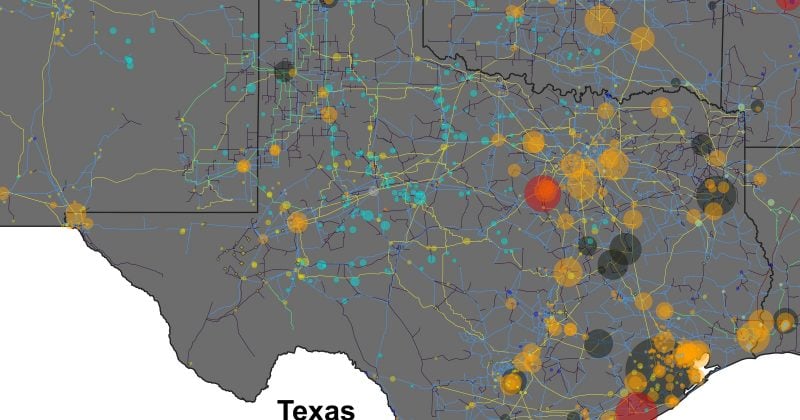
Texas has been a particularly popular destination for Bitcoin miners, in part because of its deregulated energy market and friendly tax environment. Governor Abbott’s directive to make data centers cover their own infrastructure costs could change that equation significantly. If Texas follows through on repealing sales tax exemptions in 2027, miners may need to reevaluate whether the Lone Star State still makes economic sense.
The same dynamic applies to AI infrastructure companies. Hyperscalers like Microsoft, Google, and Amazon have been announcing massive data center buildouts across the country. Those plans were often predicated on favorable state incentives.
Disclosure: This article was edited by Editorial Team. For more information on how we create and review content, see our Editorial Policy.






 English (US) ·