
 2 months ago
42
2 months ago
42
## Market Snapshot
Strait of Hormuz traffic market shows 0% YES as of April 30, indicating no significant recovery in ship traffic. WTI Crude Oil market implies a higher likelihood of prices surpassing $150 in May, consistent with increased logistical costs and supply constraints.
## Key Takeaways
– The closure of the Strait of Hormuz appears to significantly disrupt global shipping routes, consistent with decreased traffic through this critical passage. – Rerouting through the Panama Canal suggests heightened logistical expenses, which may indicate upward pressure on global oil prices. – The Panama Canal’s elevated usage and costs reflect the ongoing impact of geopolitical tensions on global trade dynamics.
## Article Body
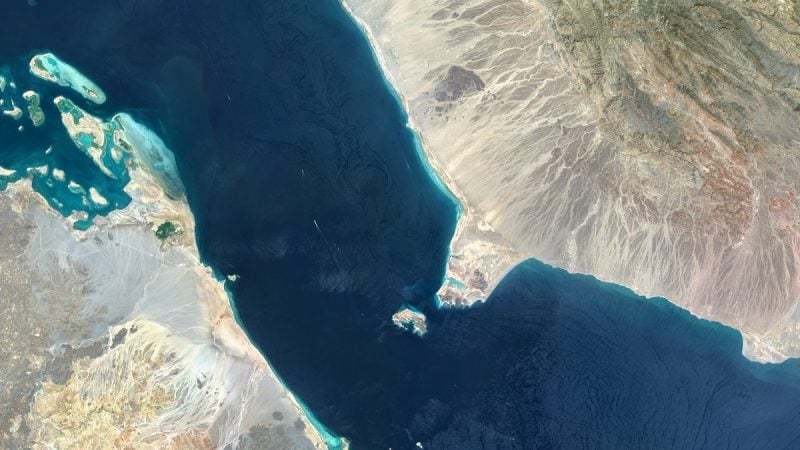
The ongoing conflict involving the United States, Israel, and Iran has effectively closed the Strait of Hormuz, a crucial maritime passage for global oil and natural gas shipments. This has led to significant disruptions in traditional shipping routes, compelling companies to redirect through the Panama Canal to reach Asian markets. As demand for this alternative route surges, the Panama Canal has become one of the most expensive shortcuts in global trade, with some companies reportedly paying millions in premium fees to expedite their transit. This shift is largely due to the blockade of the Strait of Hormuz, impacting a substantial portion of global seaborne energy transport and compelling shipping companies to seek alternative routes.
## Market Interpretation
The market response to the Strait of Hormuz closure appears consistent with a scenario where shipping traffic does not normalize soon, supporting a 0% YES outcome for April. The disruption in traditional shipping lanes and the rerouting through the Panama Canal are likely contributing to increased oil prices, as indicated by the market’s anticipation of WTI Crude Oil exceeding $150 in May. This interpretation aligns with a high-impact assessment due to the significant disruption in energy logistics.
## What to Watch
Observers should monitor developments in the U.S.-Iran ceasefire, as any progress could potentially alter shipping dynamics and oil price trajectories. Key actors such as the U.S. Energy Information Administration and major oil carriers will be influential in assessing future market movements. Additionally, any changes in the geopolitical landscape, such as renewed negotiations or escalations, could further impact both the Strait of Hormuz traffic and oil price markets.
Get prediction market intelligence as a structured API feed. Early access waitlist.









 English (US) ·