
 3 months ago
86
3 months ago
86
TLDR:
- Strategy Bitcoin treasury evolved from cautious 5–10% allocation to full balance sheet Bitcoin exposure model
- Phong Le admitted Saylor’s aggressive “all-in” Bitcoin strategy proved correct over time in hindsight
- Treasury now holds 843,706 BTC across 111 buys with rising volatility and execution-driven accumulation cycles
- Funding pressure builds as preferred shares add dividend obligations amid Bitcoin price-driven unrealised losses
Strategy Bitcoin treasury has revealed internal leadership contrasting views on allocation. CEO Phong Le initially preferred limited exposure, while Michael Saylor pushed for full balance sheet conversion into Bitcoin.
Internal Shift Inside Strategy Bitcoin Treasury Allocation Debate
Strategy Bitcoin treasury originated from a cautious capital allocation discussion where CEO Phong Le initially supported limiting Bitcoin exposure to a small portion of the balance sheet.
His early position centred on risk management principles, targeting a 5–10% allocation due to Bitcoin’s volatility profile.
This conservative framework aligned with traditional treasury practices focused on capital preservation and liquidity stability across market cycles.
The Strategy Bitcoin treasury direction changed as Michael Saylor advocated full-scale Bitcoin adoption for corporate reserves.
Saylor’s position emphasised Bitcoin as a primary treasury asset rather than a supplementary allocation within diversified holdings.
Over time, Phong Le acknowledged that the aggressive approach delivered stronger strategic positioning than the initial conservative model.
He later admitted, “I was wrong,” while affirming Saylor was correct in pushing for full exposure. This internal reassessment marked a significant turning point in how the Strategy Bitcoin treasury framework was understood within leadership.
It reinforced a shift toward conviction-based allocation rather than percentage-limited exposure models used in traditional corporate treasury design.
LATEST:  Strategy CEO Phong Le admits he initially wanted to put only 5-10% of the company's balance sheet into Bitcoin while Saylor pushed to “go all in,” conceding "I was wrong" and "Mike was right." pic.twitter.com/GmrdAewD6M
— CoinMarketCap (@CoinMarketCap) June 6, 2026
Capital Expansion and Treasury Pressure Dynamics
Strategy Bitcoin treasury has expanded through continuous acquisition cycles funded by equity issuance, convertible debt, and preferred share instruments.
These funding mechanisms enabled large-scale Bitcoin accumulation without relying on operating cash flows from its software business.
The company now holds 843,706 BTC acquired through 111 separate purchase events across multiple market cycles.
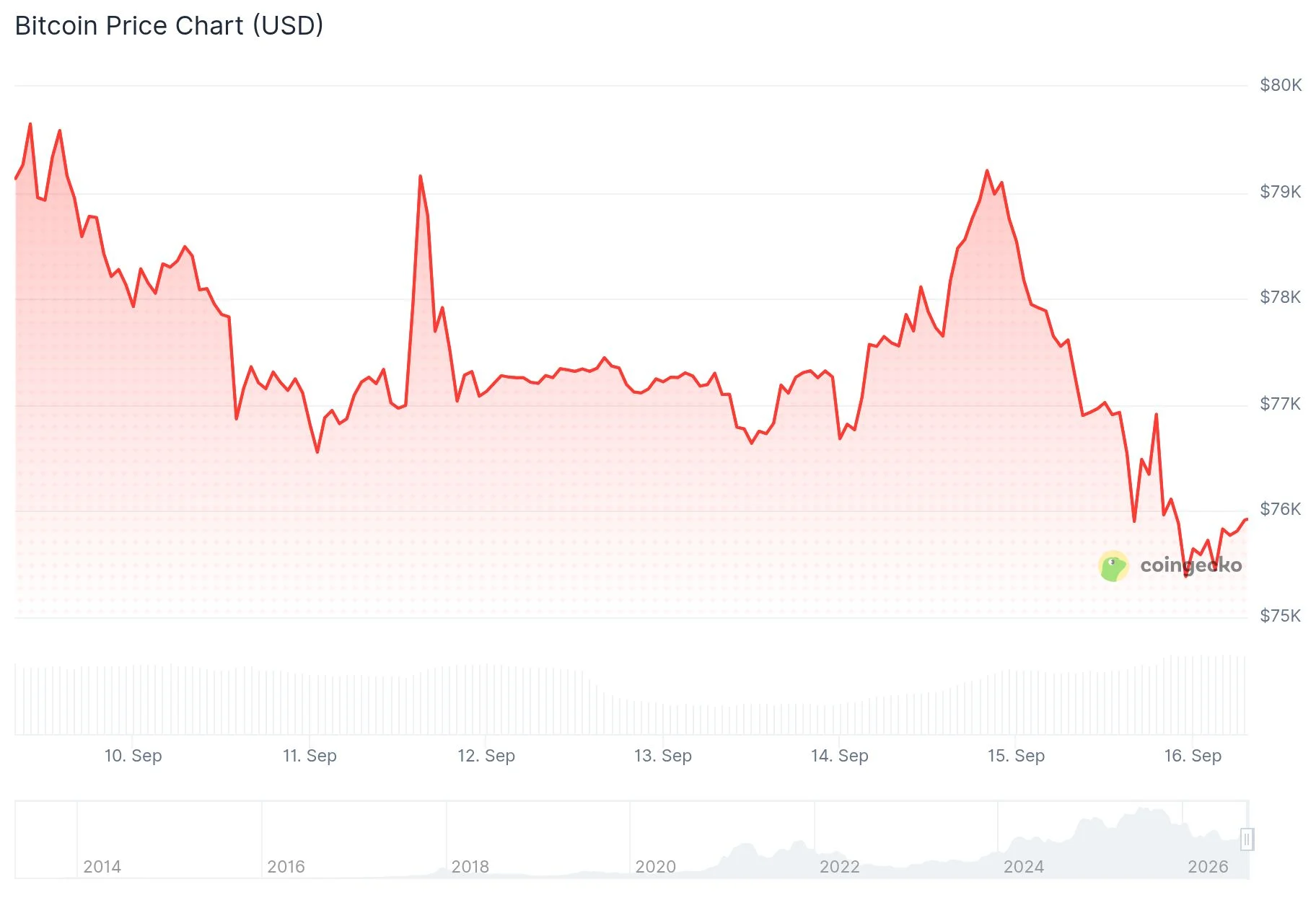
Average acquisition cost stands near 75,702 dollars per Bitcoin, reflecting sustained buying across both high and low volatility periods.
The Strategy Bitcoin treasury execution model shows irregular purchase sizing, with both large institutional blocks and smaller tactical entries.
This approach indicates flexible capital deployment rather than fixed dollar-cost averaging strategies typically used in passive investment structures.
Purchases increased during market downturns, suggesting opportunistic accumulation during liquidity-driven price corrections across exchanges.
However, financial pressure has intensified as Bitcoin price fluctuations created significant unrealised losses estimated at nearly ten billion dollars.
Preferred share structures introduced dividend obligations that require periodic cash payments, adding complexity to treasury funding management.
Each path carries implications for balance sheet stability and market perception of the Strategy Bitcoin treasury model.
Despite these pressures, the company continues to prioritise long-term Bitcoin accumulation as a core reserve strategy.
The post Strategy CEO Phong Le Admits Michael Saylor Was Right on Bitcoin Treasury All-In Strategy, Opposed to His 5–10% Plan appeared first on Blockonomi.




 English (US) ·