
 2 months ago
54
2 months ago
54
Iran formally submitted its response to a US peace proposal on May 10, delivered through Pakistani mediators, as the two nations navigate an escalating conflict that has disrupted global energy flows and sent ripples through crypto markets.
Iranian Foreign Ministry spokesperson Esmaeil Baghaei confirmed the submission. Iran’s state-run IRNA news agency offered a single framing line for the talks: they are “focused exclusively on the cessation of hostilities in the region.”
What’s on the table
The US proposal aims to accomplish three things: halt active hostilities, reopen the Strait of Hormuz, and address concerns about Iran’s nuclear program. Washington’s counter-proposal was itself a response to Iran’s earlier 14-point plan, with back-and-forth discussions ongoing since at least May 7. Secretary of State Marco Rubio said on May 9 that a response was expected imminently, with President Trump suggesting they would “soon know” whether Iran was stalling.
Iranian officials including Ali Safari and Abbas Araqchi have publicly prioritized the cessation of hostilities and reopening the Hormuz corridor, but the Islamic Revolutionary Guard Corps struck a harder tone. The IRGC warned of retaliation against what it characterized as a US blockade.
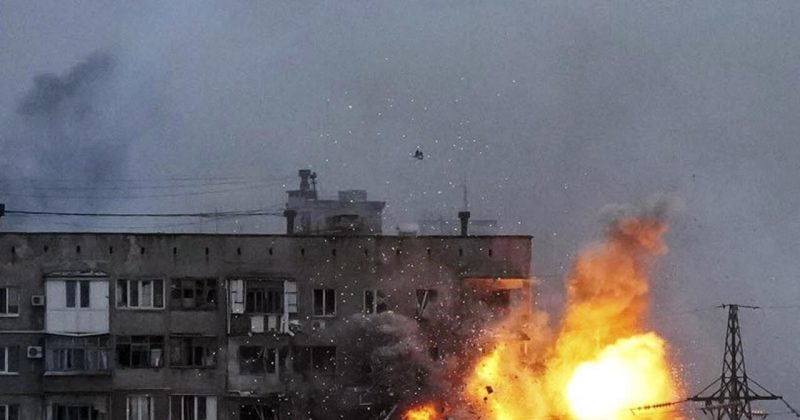
The US struck at least two Iranian tankers on May 9, one day before Iran’s reply. Iran has claimed it could endure a potential blockade for three to four months, a figure reportedly based on US intelligence assessments.
Why crypto traders are watching the Strait of Hormuz
Roughly a fifth of the world’s daily oil supply passes through the Strait of Hormuz. Bitcoin has shown a notable pattern during this conflict: dips in BTC price have correlated with specific naval skirmishes in the region, while broader upward pressure has built as traders treat Bitcoin as a hedge against geopolitical instability.
Rising energy costs also have a direct mechanical impact on crypto. Higher electricity prices squeeze mining margins, particularly for Bitcoin miners operating on thin profitability. Prolonged Hormuz disruptions could force less efficient mining operations offline, concentrating hashrate among operators with access to cheap renewable energy or fixed-rate power contracts.
Peace versus prolonged conflict: two very different market scenarios
If peace talks gain genuine traction and the Strait of Hormuz reopens to normal traffic, energy prices should stabilize, reducing volatility for energy-linked digital assets and removing the geopolitical risk premium that has supported Bitcoin’s safe-haven narrative. If conflict continues or escalates, Bitcoin could move as much as five percent in either direction on a single headline about a missile strike or a tanker seizure.
Iran’s stated ability to endure a three-to-four-month blockade sets an implicit timeline for how long this elevated volatility regime could persist, with knock-on effects across crypto markets potentially extending well into the summer.
Disclosure: This article was edited by Editorial Team. For more information on how we create and review content, see our Editorial Policy.







 English (US) ·