
 4 months ago
70
4 months ago
70
- Tether engages Big Four firm for its first full independent audit
- Move aims to address long-standing transparency concerns
- Timing reflects rising institutional and regulatory pressure
Tether is finally stepping into territory it’s avoided for years, a full independent audit from a Big Four accounting firm. For a company that has long dominated the stablecoin market while facing constant scrutiny, this move feels less like an upgrade and more like a turning point. Attestations were always there, but they never fully answered the bigger question. Now, Tether is opening the door to a deeper level of verification, and that changes the conversation.

This isn’t just about optics either. A full audit brings Tether closer to the standards expected in traditional finance, where transparency isn’t optional. It’s required. And for something as systemically important as USDT, that distinction matters more than ever.
Timing Suggests Pressure Is Building
The question isn’t just what Tether is doing, but why now. Stablecoins have grown into a critical part of the crypto ecosystem, with USDT alone surpassing $180 billion in market cap. That kind of scale doesn’t go unnoticed. Regulators, institutions, and even competitors have all been pushing for more clarity.
At the same time, the competitive landscape is shifting. Other stablecoin issuers are leaning heavily into transparency and compliance, positioning themselves as safer alternatives. Tether moving toward a full audit looks like a response to that pressure, not just from regulators, but from the market itself.
A Full Audit Changes the Standard
Unlike periodic attestations, a full audit goes much deeper. It examines reserves, liabilities, internal controls, and how risk is managed across the entire operation. It’s not a snapshot, it’s a full inspection, and that’s a different level of scrutiny altogether.
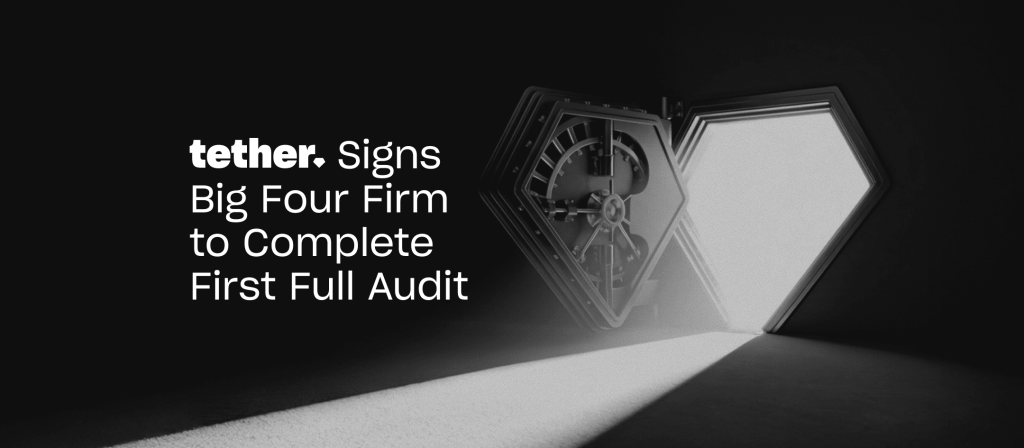
If the audit confirms Tether’s claims, it could remove one of the biggest overhangs in crypto. Questions around backing and solvency have followed USDT for years. A clean audit wouldn’t just address those concerns, it would likely strengthen confidence across the entire stablecoin sector.
Transparency Comes With Tradeoffs
But opening the books also raises expectations. Once that level of transparency is introduced, it becomes the new baseline. Investors, regulators, and users will expect ongoing clarity, not just a one-time event.
It also means Tether steps into a level of scrutiny it hasn’t fully faced before. Every detail will be analyzed, questioned, and compared against traditional financial standards. That’s the tradeoff, credibility in exchange for exposure.
A Move Toward Institutional Readiness
Ultimately, this isn’t just about addressing critics. It’s about positioning Tether for the next phase of the market. As crypto becomes more integrated with global finance, the standards for trust are rising quickly.
Tether appears to be adapting to that shift. And while the audit itself is important, what matters more is what comes after, whether this marks the start of a more transparent era, or just a necessary step to keep pace with a changing market.
Disclaimer: BlockNews provides independent reporting on crypto, blockchain, and digital finance. All content is for informational purposes only and does not constitute financial advice. Readers should do their own research before making investment decisions. Some articles may use AI tools to assist in drafting, but every piece is reviewed and edited by our editorial team of experienced crypto writers and analysts before publication.






 English (US) ·