
 3 months ago
60
3 months ago
60
- The Clarity Act passed the Senate Banking Committee with bipartisan support
- Ethics rules tied to government crypto holdings are becoming the biggest obstacle
- Lawmakers face intense pressure to finalize the bill before the August recess
The Digital Asset Market Clarity Act just cleared one of its biggest hurdles after passing through the Senate Banking Committee in a 15-9 bipartisan vote. All 13 Republican members backed the bill, joined by Democratic Senators Ruben Gallego and Angela Alsobrooks, giving crypto legislation one of its strongest moments in Washington so far this year.

Senator Cynthia Lummis described the effort as “by far the hardest piece of legislation” she has ever worked on, which honestly says quite a lot considering how politically radioactive crypto regulation has become lately. The bill now moves toward what could be an even messier stage, merging competing Senate versions while trying to survive mounting political tension around ethics rules.
The Entire Fight Now Revolves Around Ethics Language
At this point, the biggest threat to the Clarity Act may not be crypto skepticism itself. It’s ethics provisions tied to government officials and their crypto business relationships, particularly those involving former President Donald Trump and his family’s expanding crypto interests.
The bill will likely need at least 60 Senate votes to overcome a filibuster, meaning Republicans still need support from several Democrats. Senator Kirsten Gillibrand has already made it clear that without stronger ethics restrictions, many Democrats simply won’t support the legislation on the Senate floor.
That creates an awkward political balancing act. Democrats want tougher restrictions tied to crypto ownership and business ties among public officials, while Republicans and the White House may resist language viewed as directly targeting Trump-linked ventures.
Somewhere inside that fight sits the future of the entire bill.
Congress Is Running Out of Time
Timing is becoming another major problem. Congress heads into Memorial Day recess tomorrow, while the White House reportedly wants a finalized bill signed by July 4, which leaves lawmakers operating on a pretty compressed schedule.
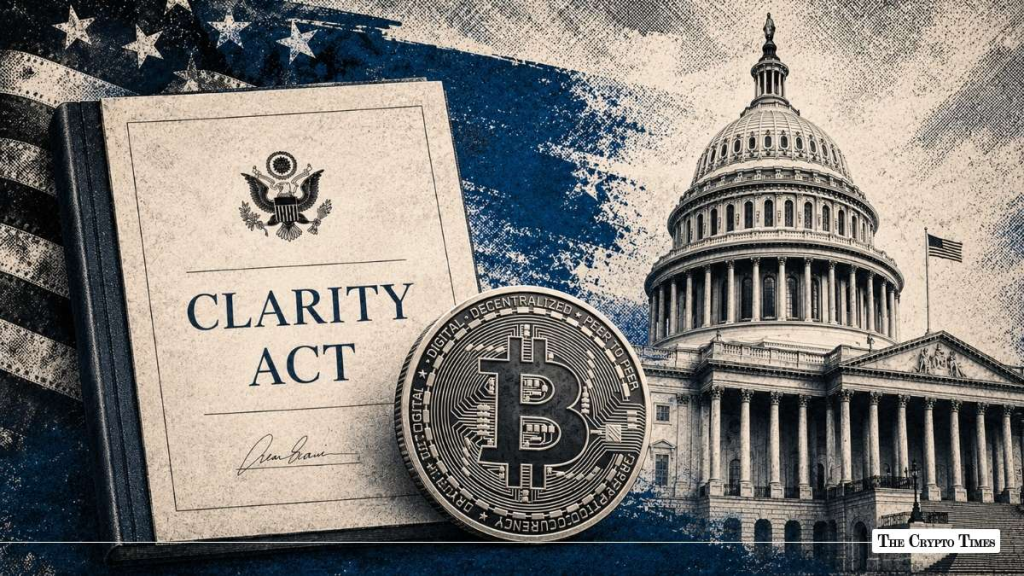
Before any floor vote can happen, the Senate Banking Committee’s version still needs to merge with the Agriculture Committee’s parallel proposal. After that comes negotiations around final ethics wording, which insiders increasingly believe must be settled before leadership risks bringing the bill forward publicly.
According to Digital Chamber representatives, Senate leaders will likely avoid a floor vote entirely unless they’re already confident the bill can secure the necessary 60 votes. Nobody wants a failed crypto bill hanging over the market heading into an election cycle.
Missing This Window Could Delay Crypto Rules For Years
Several lawmakers backing the bill have warned that failure to pass the legislation before August could seriously damage its chances for the foreseeable future. Senator Bernie Moreno and Senator Lummis both suggested that missing the current political window might push another realistic attempt all the way toward 2030.
That’s because once midterm election politics fully take over Washington, bipartisan cooperation around crypto regulation becomes dramatically harder. Momentum exists right now, but momentum in Congress has a habit of disappearing faster than expected.
The Clarity Act is undeniably closer than any major crypto framework has ever been in the United States. Whether it actually crosses the finish line now depends less on blockchain policy itself and more on whether both parties can survive the politics surrounding who gets to profit from crypto while sitting in government.
Disclaimer: BlockNews provides independent reporting on crypto, blockchain, and digital finance. All content is for informational purposes only and does not constitute financial advice. Readers should do their own research before making investment decisions. Some articles may use AI tools to assist in drafting, but every piece is reviewed and edited by our editorial team of experienced crypto writers and analysts before publication.






 English (US) ·