
 1 month ago
23
1 month ago
23
- The Fed kept rates steady as inflation and slowing growth collide
- Rising oil prices from geopolitical tensions are adding inflation pressure
- Expectations for rate cuts are being pushed further into the future
The Federal Reserve’s latest decision to hold interest rates steady might look uneventful at first glance, but the reality underneath feels a bit more complicated. This wasn’t a confident pause… it was a reflection of a difficult position.
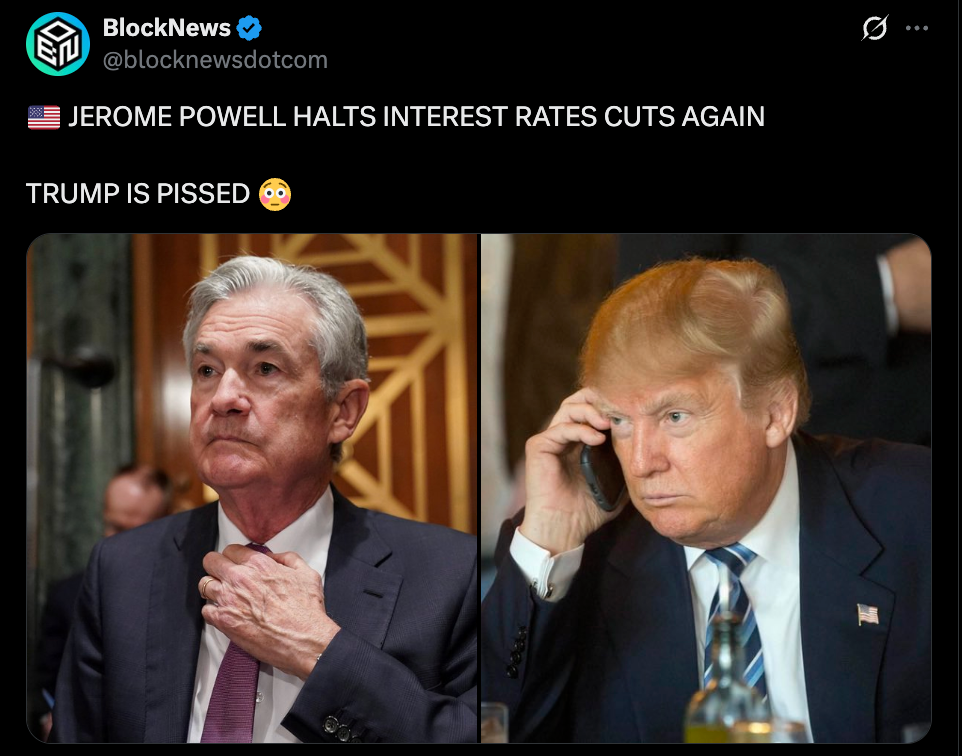
Inflation is still running above target, while economic growth is beginning to slow. Normally, the Fed would respond clearly to either condition. But right now, acting on one problem risks making the other worse, and that’s what’s keeping policy frozen.
Inflation and Growth Are Colliding
The core issue is that the economy is sending mixed signals. Inflation remains elevated, hovering around levels that are still uncomfortable for policymakers.
At the same time, parts of the economy are weakening. Job growth is slowing, and signs of labor market softness are starting to appear.
That combination creates a scenario the Fed tries to avoid… one where neither tightening nor easing feels like a safe move.
Oil Prices Are Making It Worse
Geopolitical tensions, particularly involving Iran, have pushed oil prices above $100. That matters because energy costs tend to ripple across the entire economy.
Higher fuel prices increase transportation costs, which then affect goods, services, and overall inflation readings. It’s a direct pressure point that’s hard for central banks to ignore.
The timing is also difficult. Inflation risks are rising just as economic momentum is weakening, making policy decisions even more constrained.
Rate Cut Expectations Are Shifting
Markets have been expecting rate cuts, but those expectations are starting to look less certain. As inflation risks persist, the timeline for easing is being pushed further out.
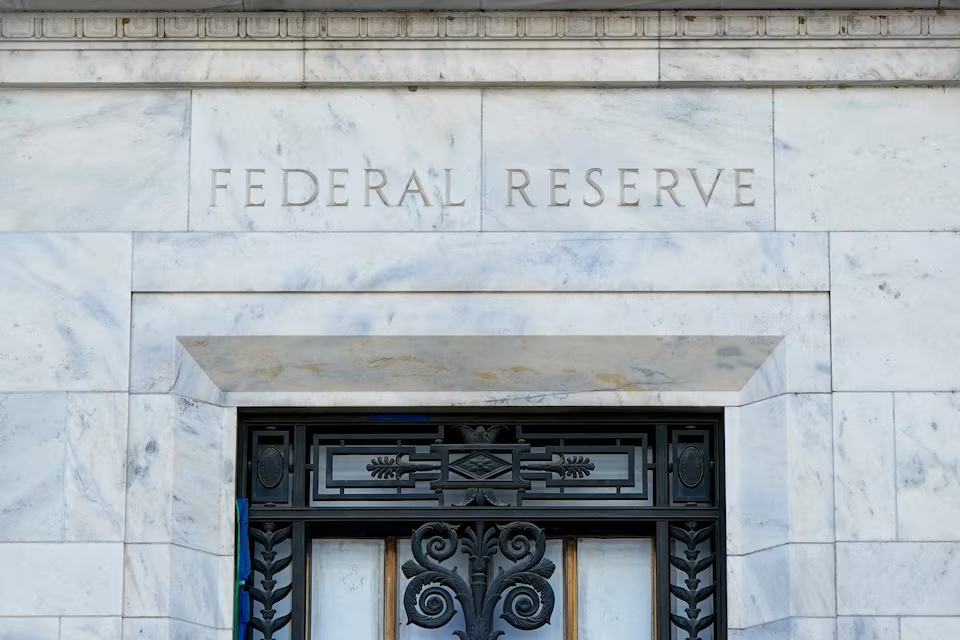
Some projections now suggest cuts may not come until late 2026, if at all. Internally, there appears to be disagreement among policymakers, with some focused on inflation risks and others watching the labor market.
That kind of division usually leads to caution rather than action.
What This Means for Crypto
For crypto markets, this environment creates a mixed backdrop. On one hand, uncertainty and macro stress can drive interest in alternative assets like Bitcoin.
On the other hand, higher-for-longer rates tend to limit liquidity, which can weigh on risk assets overall.
That tension is likely to keep crypto markets volatile, especially as investors react to both macro data and geopolitical developments.
A Waiting Game Begins
The Fed’s decision signals that it is in a holding pattern, not because conditions are stable, but because there are no easy choices.
Inflation hasn’t been fully contained, growth is slowing, and external shocks are adding new pressure. Until one side of that equation shifts more clearly, policy is likely to remain cautious.
For now, the bigger question isn’t when cuts will come… it’s whether they can come without creating new problems.
Disclaimer: BlockNews provides independent reporting on crypto, blockchain, and digital finance. All content is for informational purposes only and does not constitute financial advice. Readers should do their own research before making investment decisions. Some articles may use AI tools to assist in drafting, but every piece is reviewed and edited by our editorial team of experienced crypto writers and analysts before publication.







 English (US) ·