
 2 months ago
61
2 months ago
61
- Traditional NFT reveals created instant sell pressure and killed long-term engagement
- Builders are now experimenting with re-roll systems, burn mechanics, and gamified reveals
- The NFT projects surviving today are usually the ones that solved retention, not hype
The traditional NFT reveal system has quietly been one of the worst-designed mechanics in crypto for years.
The formula was almost always identical. Months of hype, a mint event, a delayed reveal, then thousands of holders instantly discovering whether they got something rare or completely forgettable. If they pulled a common, the NFT usually hit the marketplace immediately. Floor prices collapsed, momentum disappeared, and communities slowly went silent.
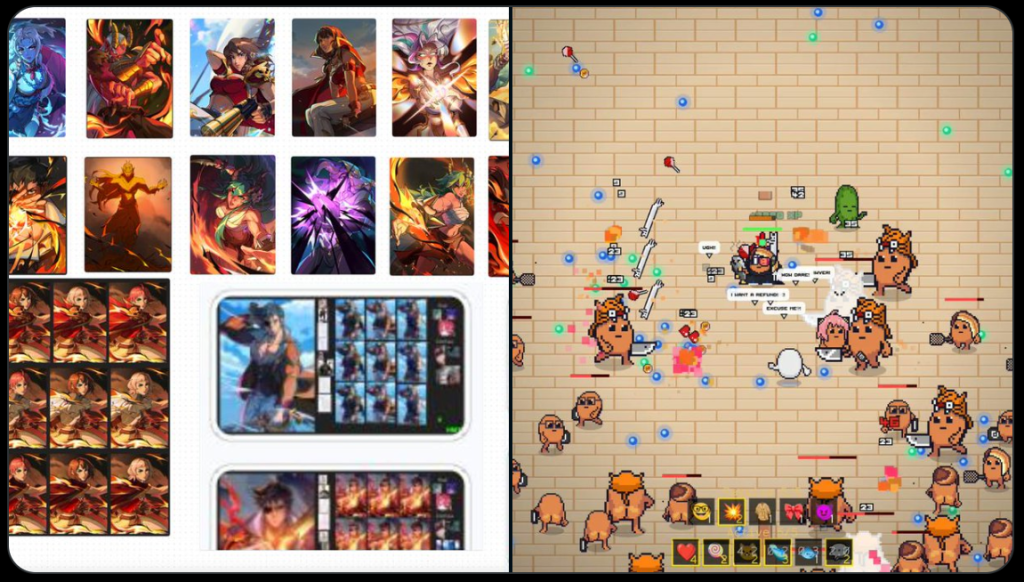
At some point, it became obvious this wasn’t bad luck. It was structural.
The Reveal Was Treated Like the Finish Line
Most collections built the reveal as a one-time dopamine hit rather than an ongoing system. Once rarity was assigned, the incentive loop basically ended.
That created a market where everyone rushed to either cash out or chase a different project instead of staying engaged with the ecosystem long-term.
Gamified Re-Rolls Change the Dynamic
The newer generation of NFT builders is starting to approach the reveal process differently. Instead of static reveals, some projects are introducing mechanics that let holders “re-roll” traits or reopen digital packs for another chance at higher rarity outcomes.
That changes the psychology completely.
Risk and Reward Keep People Engaged
The important part is the risk layer. If a holder already has a rare NFT, choosing to re-roll introduces uncertainty. You could improve your outcome, or destroy it chasing something better.
That tension creates ongoing engagement rather than a single reveal-day spike followed by collapse.
Burn Mechanics Quietly Matter More Than People Realize
These systems also introduce something NFT ecosystems historically struggled with, token sinks.
Projects that permanently remove assets, points, or tokens from circulation generally maintain healthier long-term economies because supply pressure gradually decreases instead of endlessly compounding.
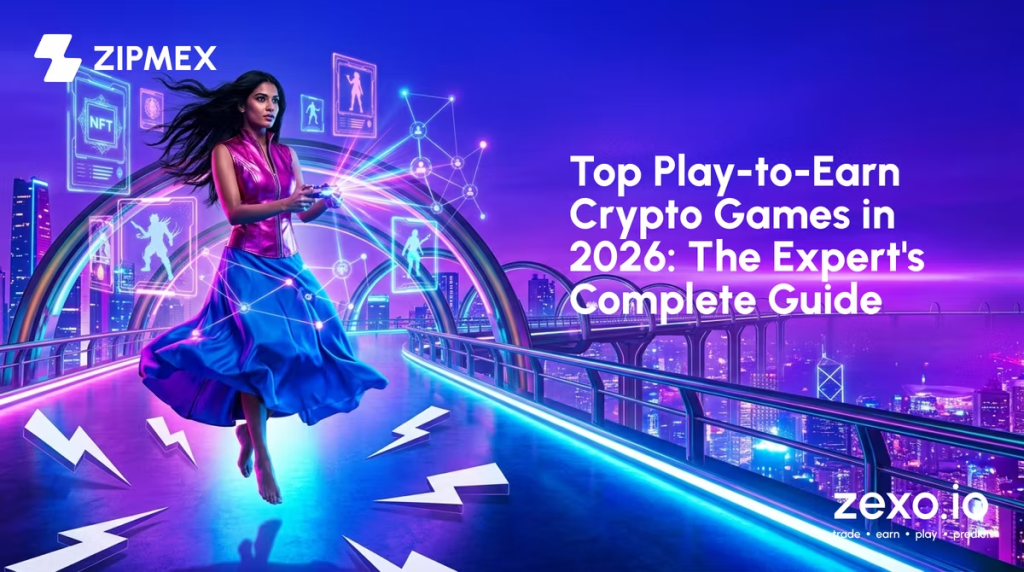
The best blockchain economies already figured this out years ago. NFTs are only now catching up.
Gaming Already Proved the Model Works
What’s interesting is that traditional gaming and collectible systems solved this engagement problem long ago. Trading card ecosystems, gacha mechanics, and loot systems all revolve around repeatable risk-reward loops rather than static ownership alone.
That’s part of why physical and digital trading card markets continue generating strong engagement even while many older profile-picture NFT collections faded.
The NFT Market Is Smaller, But Smarter
The NFT market today looks very different from 2021. The speculative mania largely disappeared, but the projects still standing tend to have stronger infrastructure, better communities, and more thoughtful mechanics underneath them.
Instead of chasing pure hype cycles, builders are increasingly focusing on retention, utility, and sustainable engagement loops.
The Next NFT Cycle Probably Looks Different
The next successful NFT wave likely won’t be driven by static JPEG ownership alone. It’ll probably revolve around ecosystems where ownership evolves over time through interaction, upgrades, gaming mechanics, staking, burns, and community participation.
That’s a much more durable model than hoping rarity alone keeps people emotionally invested forever.
And honestly, it’s probably what the space should have looked like from the beginning.
Disclaimer: BlockNews provides independent reporting on crypto, blockchain, and digital finance. All content is for informational purposes only and does not constitute financial advice. Readers should do their own research before making investment decisions. Some articles may use AI tools to assist in drafting, but every piece is reviewed and edited by our editorial team of experienced crypto writers and analysts before publication.


 English (US) ·