
 1 hour ago
13
1 hour ago
13
US President Donald Trump declared a new deal with Iran “all signed” during the G7 summit in Évian-les-Bains, France, with French President Emmanuel Macron publicly endorsing the agreement as “a very good deal.” The announcement came during a dinner at the Palace of Versailles.
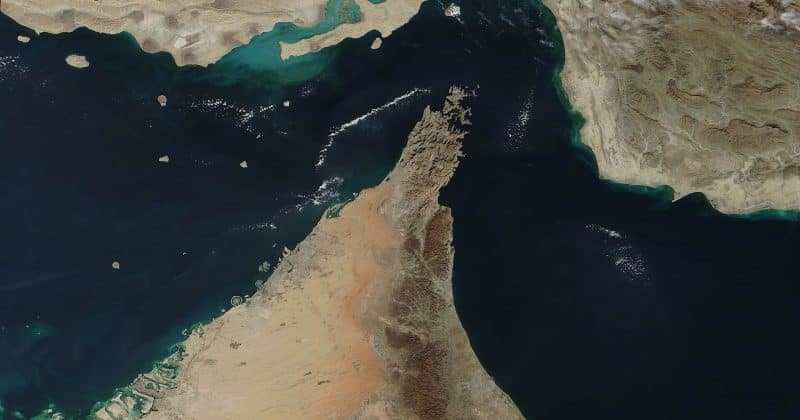
The 14-page agreement reportedly addresses three major flashpoints: reopening the Strait of Hormuz, extending a ceasefire, and tackling Iran’s nuclear program alongside economic sanctions. Roughly a fifth of the world’s oil passes through that chokepoint on any given day.
What’s actually in the deal
The core terms center on Iran agreeing to dilute its uranium stockpile to minimum levels. In exchange, the US would waive certain sanctions. The deal also includes a 60-day negotiation extension, essentially a built-in runway for both sides to hammer out remaining details before anything becomes permanently binding.
Trump projected that the Strait of Hormuz would be at least partially operational by June 20, 2026, once mine clearance operations wrap up.
The two leaders discussed the agreement multiple times throughout the summit before reaffirming their positions at the Versailles dinner. Macron emphasized the importance of broader G7 support for the deal, framing it as necessary to prevent further global instability and economic fallout.
Trump expressed optimism about improved relations with what he described as new Iranian leadership. He also went out of his way to dismiss any US investment plans in Iran, a signal that this is being positioned as a security arrangement rather than an economic opening.
The geopolitical backdrop
The 2015 Joint Comprehensive Plan of Action, commonly known as the Iran nuclear deal, was painstakingly negotiated by the Obama administration before Trump withdrew the US from it during his first term in 2018. That withdrawal set off years of escalating tensions, increased Iranian enrichment activity, and a general deterioration of diplomatic channels.
The 14-page length of the document suggests something more substantive than a joint statement but less comprehensive than a full treaty. For context, the original JCPOA ran over 100 pages.
Here’s the thing about the “all signed” language from Trump: subsequent reporting has suggested the Versailles discussions centered more on updates and endorsements rather than a formal document signing between the two leaders. The distinction matters. An endorsed framework and a ratified agreement are very different animals.
What this means for markets
If the Strait of Hormuz reopens on the projected timeline, that’s a meaningful reduction in geopolitical risk premium for oil prices. A sanctions waiver for Iran could also increase global oil supply.
The 60-day negotiation window introduces uncertainty. The original JCPOA took years to finalize after initial framework agreements, and implementation was contentious even after signing.
Investors should watch three things over the coming weeks. First, whether the mine clearance in the Strait of Hormuz actually proceeds on the stated timeline. Second, whether Iran takes verifiable steps to dilute its uranium. And third, whether Congress or Iranian hardliners attempt to torpedo the framework before the 60-day window closes.
Disclosure: This article was edited by Editorial Team. For more information on how we create and review content, see our Editorial Policy.




 English (US) ·