
 1 month ago
55
1 month ago
55
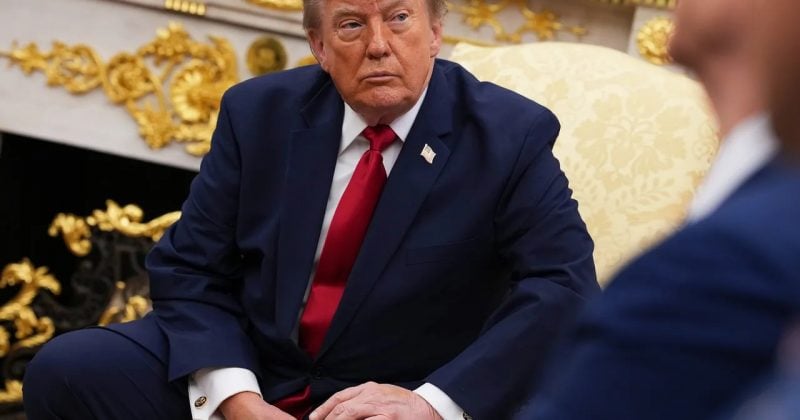
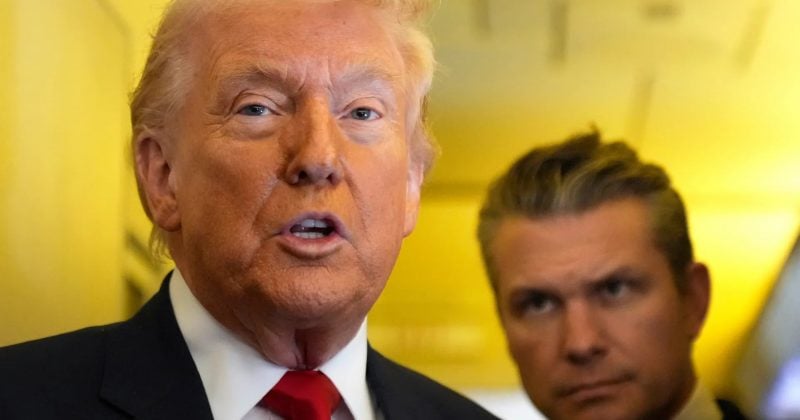
President Trump announced on May 23 that a draft framework to end the 2026 Iran war has been “largely negotiated,” bringing the most consequential military conflict in years one step closer to resolution. The proposed deal includes reopening the Strait of Hormuz, the narrow waterway through which roughly a fifth of the world’s oil supply passes on any given day.
The framework takes the form of a one-page, 14-point memorandum of understanding. It outlines a cessation of hostilities and establishes a 30-day window for deeper negotiations on Iran’s nuclear program and sanctions relief.
What’s in the deal, and how we got here
The conflict traces back to US and Israeli military strikes launched on February 28, 2026, after earlier diplomatic efforts fell apart. Those strikes escalated into a broader confrontation that rattled global energy markets and forced shipping companies to reroute around the Persian Gulf at enormous cost.
A two-week ceasefire brokered by Pakistan began on April 8, 2026. That ceasefire has since been extended as talks continued.
US envoys Steve Witkoff and Jared Kushner have been leading the American side of negotiations, with Pakistan serving as the go-between connecting Washington and Tehran.
Iranian officials have characterized the draft as a “framework agreement” addressing what they call the “imposed war.”
The 14-point MOU covers the immediate cessation of hostilities and the Strait of Hormuz reopening as its headline items. The 30-day negotiation window addresses uranium enrichment limits and which sanctions get lifted, and in what order.
Why energy markets are watching every word
Reduced sanctions on Iran would bring more oil supply back onto global markets, which could push energy prices lower. That’s good for consumers and businesses that rely on cheap energy. It’s less good for US shale producers and other energy companies that benefit from higher prices.
What this means for crypto and broader risk assets
The MOU doesn’t mention cryptocurrency or digital assets. Not a single line.
Any sanctions relief framework could reshape how dollar-denominated trade flows work in the Middle East, and historically, shifts in sanctions regimes have created both demand for and scrutiny of crypto-based payment rails. If sanctions are partially lifted with conditions, compliance infrastructure around stablecoins and cross-border transfers could face new regulatory attention.
Disclosure: This article was edited by Editorial Team. For more information on how we create and review content, see our Editorial Policy.



 English (US) ·