
 1 hour ago
21
1 hour ago
21
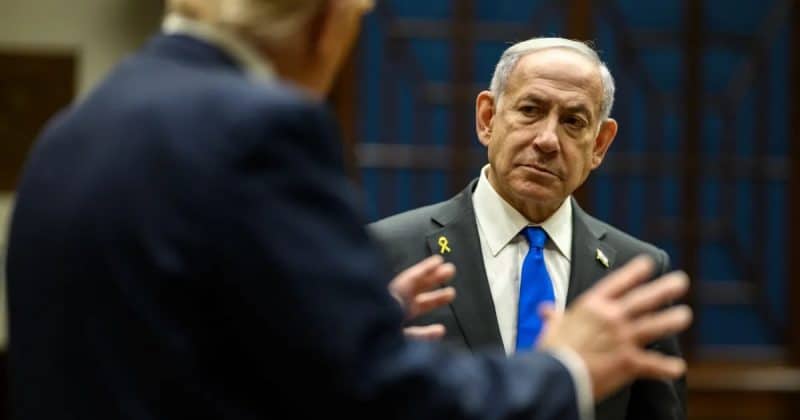
President Trump announced on Truth Social that a memorandum of understanding for peace between the United States and Iran will be signed on Sunday, June 14. If it holds, the deal would mark the most significant diplomatic breakthrough in the Middle East in decades, and markets are already starting to price it in.
The agreement reportedly centers on two headline items: the immediate reopening of the Strait of Hormuz and Iran’s commitment to halt its pursuit of nuclear weapons. For context, roughly one-fifth of the world’s oil passes through that narrow waterway.
A deal months in the making
This announcement didn’t materialize overnight. A ceasefire between the US, Israel, and Iran has been in place since April 2026, following a period of escalating conflict that spooked markets earlier this year. Pakistan has been involved in mediation efforts, and Gulf States along with Israel are believed to have shaped elements of the negotiations behind the scenes.
Trump described the deal back in May as “largely negotiated,” though he later walked back some of those statements. Iranian media outlets leaked conflicting details about the agreement’s terms, adding a layer of confusion to what was already a complex diplomatic picture.
The signing is rumored to take place in Geneva, with US Vice President JD Vance potentially participating in the discussions.
What crypto markets are watching
Bitcoin and other risk assets have shown clear sensitivity to the trajectory of US-Iran negotiations. Polymarket odds for a permanent peace agreement reached 37%, and that shift in prediction market sentiment coincided with a notable rise in Bitcoin’s value.
What this means for investors
The ceasefire since April has been described as fragile, and the conflicting signals from Iranian media about the deal’s terms suggest the agreement may not be as locked-in as the announcement implies.
The smart move is watching whether the MoU translates into actual policy changes, particularly around the Strait of Hormuz, before treating this as a durable shift in the macro backdrop.
Disclosure: This article was edited by Editorial Team. For more information on how we create and review content, see our Editorial Policy.


 English (US) ·