
 1 hour ago
22
1 hour ago
22
President Donald Trump labeled Iran’s drone attacks on commercial vessels in the Strait of Hormuz “totally unacceptable,” escalating rhetoric in a confrontation that has already claimed the lives of three Indian sailors and sent shockwaves through global financial markets, including crypto.
What happened in the Strait of Hormuz
In early June 2026, Iranian drones targeted at least three ships navigating the Strait of Hormuz, a narrow waterway through which roughly a fifth of the world’s oil supply passes daily. The attacks marked a significant escalation in Iran’s posture toward commercial shipping in the region.
The US responded with force. On June 11, 2026, a US precision strike hit the Settebello, a Palau-flagged tanker carrying Iranian oil. Three Indian sailors aboard the vessel were killed in the strike.
India summoned diplomats from both the United States and Iran, a rare dual rebuke that underscored just how far the collateral damage had spread.
Trump stated the US would “hit Iran very hard” while also signaling willingness to engage in de-escalation talks. He reportedly canceled previously planned strikes. The president also floated the idea of tightening control over Iranian oil infrastructure, including Kharg Island, a facility that handles the vast majority of Iran’s crude exports.
Crypto’s geopolitical reflex
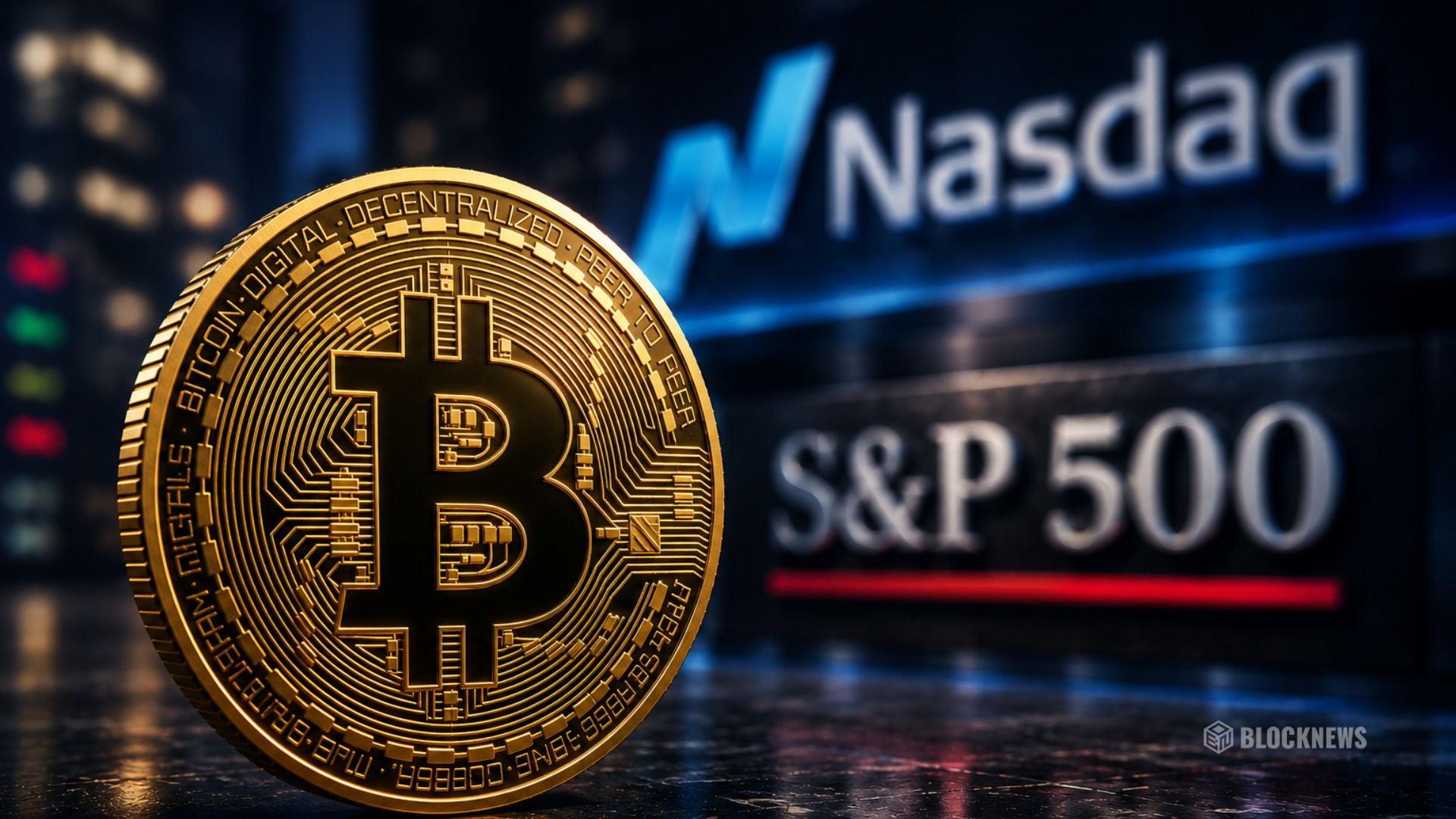
During the Strait of Hormuz tensions, Bitcoin surged past $78,000, with the sharpest moves coinciding with ceasefire extensions in early June. Rather than spiking on fear and selling on relief, Bitcoin appeared to rally when the market perceived that the worst-case scenario was being averted.
Ether followed a similar trajectory, experiencing notable volatility tied to conflict headlines.
Why India’s involvement matters for markets
India is one of the world’s largest oil importers and has historically maintained careful diplomatic relationships with both Washington and Tehran. The death of Indian sailors in a US strike on an Iranian oil tanker puts New Delhi in an extraordinarily uncomfortable position, forced to respond to an ally’s military action that killed its own citizens.
The country remains one of the largest retail crypto markets globally, and any shift in India’s geopolitical alignment or economic policy in response to these tensions could influence trading volumes and sentiment across Asian exchanges.
What investors should be watching
Trump’s decision to cancel planned strikes suggests the administration is leaving the door open for diplomacy, but his simultaneous threats to “hit Iran very hard” and his interest in targeting Kharg Island indicate that the military option remains on the table.
Traders who positioned around ceasefire headlines in early June saw Bitcoin push past $78,000, but those gains came with the kind of volatility that can wipe out leveraged positions in minutes.
The three key variables to monitor are: the status of US-Iran diplomatic channels, India’s next moves in response to the sailor deaths, and whether Trump follows through on any action targeting Iranian oil infrastructure.
Disclosure: This article was edited by Editorial Team. For more information on how we create and review content, see our Editorial Policy.







 English (US) ·