
 5 hours ago
22
5 hours ago
22
President Donald Trump announced on June 5 that his administration is exploring the possibility of acquiring direct equity stakes in prominent AI companies. The goal, according to Trump, is to establish a partnership with the American public that lets taxpayers share in the financial upside of AI growth.
The companies on the shortlist include OpenAI, Anthropic, and xAI. Meetings with these firms are scheduled to begin the week of June 8.
The Intel playbook
This isn’t the administration’s first venture into government-as-shareholder territory. The Trump team already converted $8.9 billion in CHIPS Act grants into an approximately 10% stake in Intel, a position that has since appreciated considerably as the chipmaker’s stock recovered.
The proposed mechanisms for involvement go beyond simple stock purchases. Options on the table reportedly include government board seats, equity options tied to federal support, targeted taxation strategies aimed at the AI sector, and the creation of public wealth funds.
Market reaction and tech sector implications
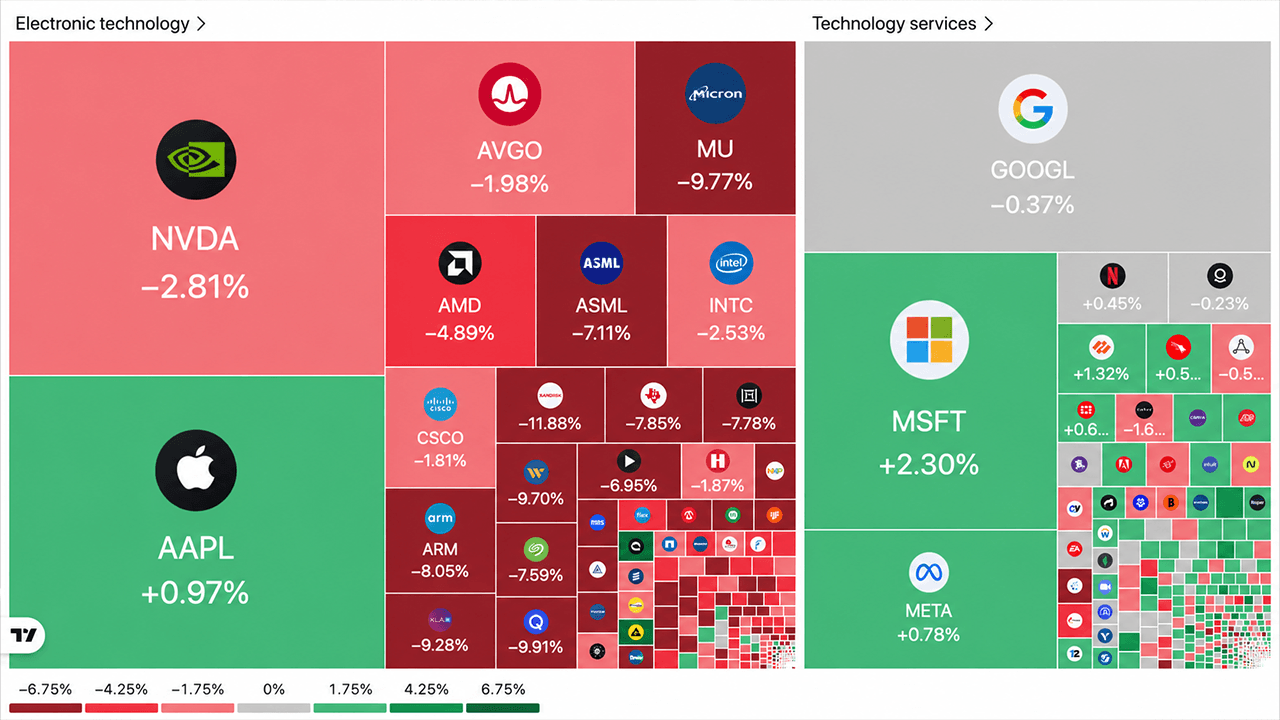
Early market reactions to Trump’s comments were positive. Tech stocks moved higher following the announcement, suggesting that investors see government partnership as a tailwind rather than a headwind for AI companies.
Several of the companies being discussed, including OpenAI and Anthropic, are not publicly traded. OpenAI has been restructuring its corporate governance to potentially enable a future IPO, while Anthropic remains private with backing from Amazon and Google. xAI, Elon Musk’s AI venture, is also private.
For now, the meetings haven’t even started. The week of June 8 will bring the first real conversations between the administration and AI company leadership. Investors should watch for any concrete terms that emerge, particularly around valuation methodologies for private companies and the specific legal structures being considered for government ownership. The difference between a passive equity stake and an active board presence is the difference between a supportive investor and a de facto regulator sitting inside the company.
Disclosure: This article was edited by Editorial Team. For more information on how we create and review content, see our Editorial Policy.







 English (US) ·