
 1 hour ago
26
1 hour ago
26
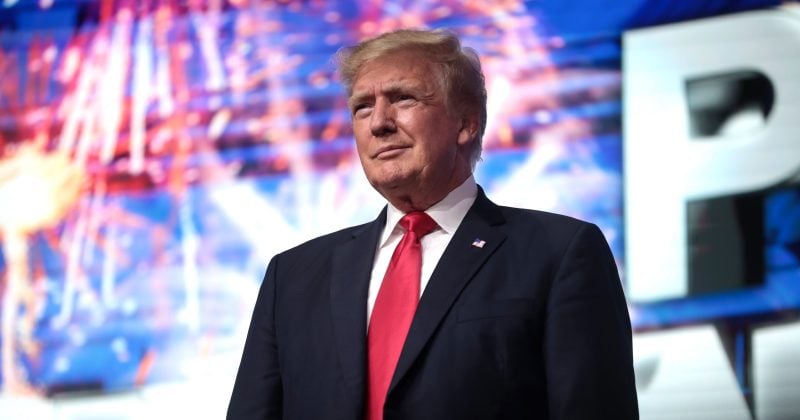
President Trump hit pause on what was shaping up to be one of the most consequential military operations in recent memory. A planned US strike on Iran, originally scheduled for May 19, 2026, was postponed after Gulf state leaders asked for more time to negotiate.
What happened and why it matters
On May 18, Trump took to Truth Social to announce the postponement, directing Secretary of War Pete Hegseth and Chairman of the Joint Chiefs of Staff Gen. Daniel Caine to keep forces at full readiness for what he described as a potential large-scale assault.
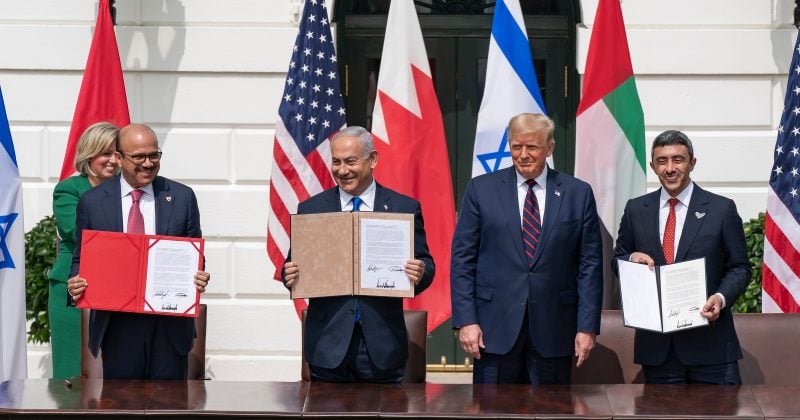
The decision came after direct requests from Qatar’s Emir, Saudi Crown Prince Mohammed bin Salman, and UAE President Sheikh Mohamed bin Zayed.
Israel’s assessment of the situation was notably less optimistic. Israeli officials concluded that the delay could hand Tehran additional leverage at the negotiating table.
The US military had already struck over 80 Iranian targets by July 2026 as part of a broader escalation campaign, and naval operations in the region continue.
The crypto angle is bigger than you think
The US Treasury seized nearly $500 million in crypto assets linked to Iranian entities as part of sanctions enforcement.
Markets are trading scared, and for good reason
Oil prices surged to nearly $87 per barrel as the situation escalated. Gold approached $4,100. Crypto and equities, meanwhile, have been moving sideways with erratic swings.
Rising oil prices create their own downstream effects for crypto miners, particularly those operating in regions where energy costs are tied to commodity markets. Higher energy inputs mean tighter margins, which means less hash rate expansion, which means the supply-side economics of proof-of-work networks shift in subtle but meaningful ways.
What investors should actually watch
For crypto-specific investors, the $500 million seizure establishes a precedent for large-scale government intervention in digital asset markets tied to national security.
Disclosure: This article was edited by Editorial Team. For more information on how we create and review content, see our Editorial Policy.







 English (US) ·