
 1 hour ago
21
1 hour ago
21
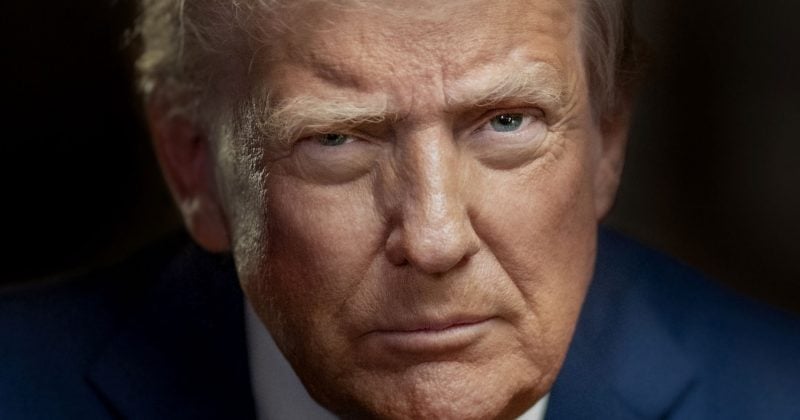
President Trump is picking a fight with Big Oil. On June 24, he publicly accused major oil companies of price gouging, claiming they’ve pocketed the savings from a massive drop in crude prices rather than passing them along to drivers.
The accusation came with teeth. Trump directed the Department of Justice to launch an immediate investigation into the pricing practices of oil companies, turning what could have been a social media rant into something with actual regulatory consequences.
The numbers tell a lopsided story
Here’s the math that has Trump fuming. Crude oil prices have plummeted 36% from their May 2026 peak, with US benchmark WTI crude trading around $70.45 per barrel in late June. In the previous month alone, crude fell 27%.
Gasoline prices, meanwhile, have been far less enthusiastic about the decline. The national average sat at $3.93 per gallon on June 25, representing just a 14% drop from mid-May highs above $4.63.
The price swings trace back to escalated tensions between the US and Iran earlier this year, which sent crude soaring and dragged gasoline prices up with it. When those tensions resolved following a peace agreement reached in mid-June, crude snapped back. Gasoline prices took the stairs down while crude took the elevator.
For additional context, pre-conflict gasoline prices hovered between $2.76 and $2.98 per gallon. Even after the recent decline, today’s $3.93 average remains roughly 32% to 42% above those levels, despite crude coming back down significantly.
DOJ investigation puts Exxon and Chevron in the spotlight
Trump didn’t name specific companies in his statement, but reporting around the DOJ probe has referenced Exxon Mobil and Chevron as subjects of interest. Both are among the largest integrated oil companies in the world, controlling significant portions of US refining capacity.
The “rockets and feathers” phenomenon is well-documented in energy economics. Gasoline prices tend to shoot up quickly when crude rises (rockets) but float down slowly when crude falls (feathers). Oil companies and industry groups have historically attributed this to factors like refining margins, distribution costs, and the lag time inherent in supply chains.
Whether that explanation holds up when crude drops 36% and pump prices only move 14% is precisely what the DOJ is being tasked with figuring out.
What this means for energy markets and beyond
Gasoline prices feed directly into inflation calculations and consumer spending patterns. A meaningful decline in pump prices could provide relief to consumers who’ve been squeezed by elevated costs throughout the Iran-related price spike.
The key metric to watch is whether that gap between crude and gasoline prices starts to narrow in the coming weeks. If pump prices begin falling faster, it’ll suggest the political pressure is working. If the gap persists, expect the investigation to escalate.
Disclosure: This article was edited by Editorial Team. For more information on how we create and review content, see our Editorial Policy.






 English (US) ·