
 1 hour ago
24
1 hour ago
24
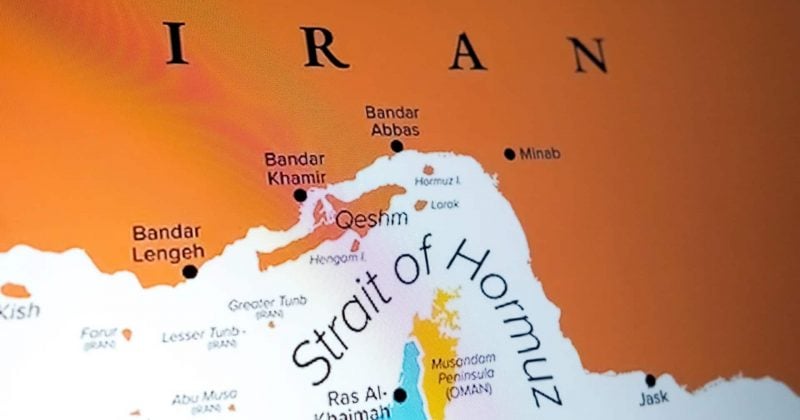
President Donald Trump has announced that maritime traffic is resuming in the Strait of Hormuz following a ceasefire agreement between the United States and Iran. The statement highlights a shift in the tense situation that had previously disrupted one of the world’s most vital oil transit chokepoints. Trump warned that the U.S. would take action if Iran fails to uphold its commitments under the ceasefire. This development, reported by Reuters, suggests a potential de-escalation in the region, though the ceasefire remains fragile with ongoing negotiations regarding nuclear and implementation issues.
Key Takeaways
- Markets suggest that the US-Iran ceasefire and resumed shipping activity in the Strait of Hormuz could decrease the likelihood of the UK or other countries deploying warships to the area.
- With ships “flowing out” of the Strait, current market pricing indicates an increased probability of traffic normalization by the end of June.
- The ceasefire appears to be conditional, with ongoing military pressure and diplomatic negotiations suggesting a cautious outlook on long-term stability.
What to Watch
Observers should monitor statements from key actors such as President Trump and Iranian officials, as well as reports from maritime and security agencies. Updates on the ceasefire negotiations, especially concerning nuclear and security terms, could influence market perceptions of stability in the region. The behavior of shipping insurers and changes in war-risk premiums will also be critical indicators of confidence in the Strait’s security. Any renewed military actions or diplomatic strains could affect market expectations of traffic normalization and warship deployment probabilities.
Get prediction market intelligence as a structured API feed. Early access waitlist.
Disclosure: This article was edited by Estefano Gomez. For more information on how we create and review content, see our Editorial Policy.







 English (US) ·