
 3 hours ago
17
3 hours ago
17
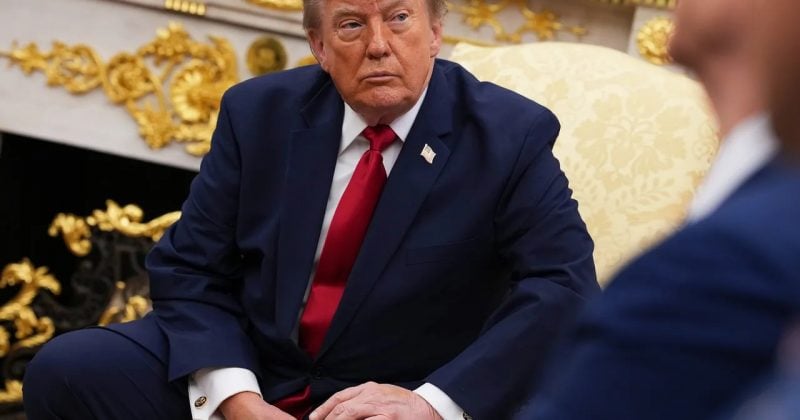
President Donald Trump has revealed his intent to pursue direct diplomacy with both world leaders and leaders of terror groups, as part of efforts to mediate Middle East tensions. This announcement came during a meeting with Lebanese President Joseph Aoun at the White House, amid ongoing U.S.-mediated attempts to enforce a ceasefire between Israel and Iran-backed Hezbollah. Trump’s engagement with non-state actors suggests an approach aimed at de-escalating the conflict while maintaining pressure on Iran, which he warned would pay a heavy price for recent attacks on U.S. allies.
Markets have reacted to this development, with pricing in prediction markets indicating an increased likelihood of a U.S.-Iran deal in 2026. The markets for a potential inclusion of Iran Reconstruction Funding in a US-Iran deal have seen a notable rise in YES probabilities, reflecting an expectation of improved diplomatic conditions. This appears consistent with the potential for negotiation that Trump’s direct diplomacy efforts might bring, despite the ongoing geopolitical tensions.
The market for a US-Iran deal in 2026 has shown fluctuating odds. The probability of including reconstruction funding in a deal rose to 29.5%, while the odds of a uranium enrichment cap saw a similar increase, now standing at 32%. These movements suggest that market participants are optimistic about the potential for a diplomatic breakthrough, driven by the U.S.’s engagement in direct talks with various stakeholders, including non-state actors.
Key Takeaways
- Market behavior suggests an increased likelihood of a US-Iran deal in 2026, with Trump’s diplomacy efforts seen as a positive indicator.
- Current pricing reflects optimism towards diplomatic negotiations, with odds for Iran Reconstruction Funding in a deal rising to 29.5% YES.
- The market’s response is consistent with expectations of improved dialogue and potential resolution of ongoing Middle East conflicts.
What to Watch
Observers will be monitoring any further diplomatic engagements by Trump and other key actors, such as Iranian officials and mediators from Qatar and Pakistan. Developments in the Middle East, particularly related to military actions or announcements of formal negotiations, could further influence market pricing. Additionally, statements from Iran regarding uranium enrichment or any retaliatory measures may impact the perceived likelihood of a US-Iran deal.
Get live prediction-market analysis, powered by Vera. Sign up for Vera.
Disclosure: This article was edited by Estefano Gomez. For more information on how we create and review content, see our Editorial Policy.


 English (US) ·