
 1 hour ago
11
1 hour ago
11
A housing bill that sailed through Congress with near-unanimous support is now sitting unsigned on the president’s desk. And the reason has nothing to do with housing.
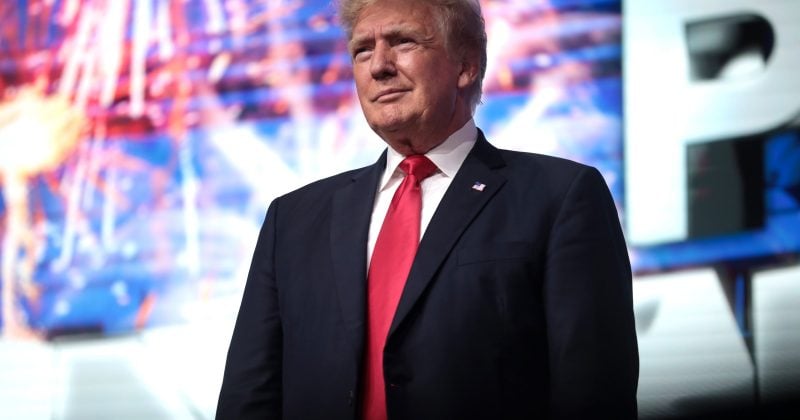
President Trump canceled the planned signing ceremony for the 21st Century ROAD to Housing Act on June 24, declaring he won’t put pen to paper until Congress passes the SAVE America Act, a separate piece of legislation requiring proof of citizenship and photo ID for voting. The housing bill passed the House 358-32 and the Senate 85-5.
Here’s why crypto should care: buried inside this sprawling housing reform package is a four-year ban on US central bank digital currencies. If the bill dies, that CBDC prohibition dies with it.
What’s actually in the bill
The 21st Century ROAD to Housing Act contains more than 40 provisions designed to boost housing supply and improve affordability. The kicker is that it does so without any new federal spending, which is precisely why it attracted such broad bipartisan support in the first place.
The CBDC ban doesn’t mention any specific tokens or projects. It’s a blunt instrument, essentially telling the Fed to shelve any retail digital currency ambitions for at least four years. For an industry that has spent years lobbying against CBDCs, getting this language into a bill with 85 Senate votes was something close to a policy miracle.
The voter ID standoff
Trump’s refusal to sign isn’t about policy disagreements with the housing bill itself. The White House had previously signaled support for the legislation, making the last-minute reversal all the more jarring.
Republican Speaker Mike Johnson has indicated he expects Trump to ultimately sign the bill within the constitutionally mandated 10-day window. If Trump neither signs nor vetoes the legislation while Congress remains in session, it automatically becomes law.
What this means for crypto investors
The CBDC ban provision is the most concrete anti-CBDC legislation to reach a president’s desk. If it becomes law, whether through Trump’s signature or the 10-day passivity rule, the digital asset industry gets a meaningful regulatory win. A four-year moratorium effectively pushes any serious Fed digital currency effort past the next presidential election cycle, giving stablecoin issuers and the broader crypto ecosystem significant runway to entrench themselves further.
The stablecoin market has grown enormously, with projects like Tether and Circle’s USDC becoming critical infrastructure for crypto trading and DeFi. A government-issued competitor would have posed an existential question for these products. The ban, even if temporary, removes that threat from the near-term landscape.
If Trump somehow lets the bill expire without signing it and Congress adjourns, a pocket veto would kill the legislation entirely. That scenario remains unlikely given the overwhelming vote margins and Johnson’s confidence, but unlikely is not impossible.
Disclosure: This article was edited by Editorial Team. For more information on how we create and review content, see our Editorial Policy.








 English (US) ·