
 1 hour ago
16
1 hour ago
16
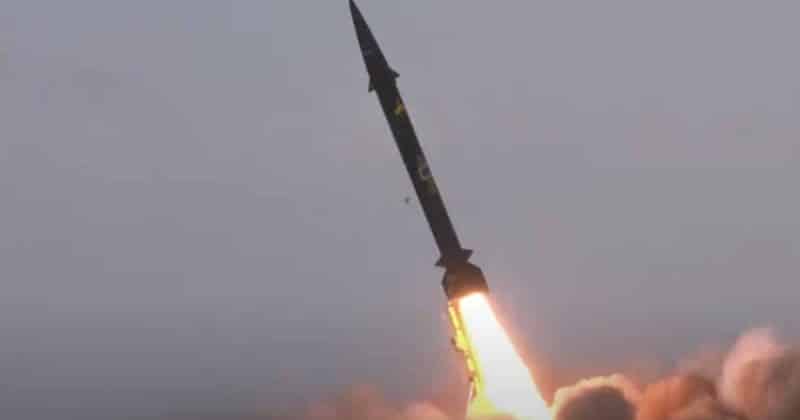
President Donald Trump has conducted military strikes against Iran while simultaneously suggesting that negotiations for a new deal with Tehran are close. The military actions have included airstrikes and the use of Tomahawk missiles, escalating the conflict between the two nations. This development comes amid ongoing nuclear and ceasefire discussions, pointing to a complex strategic environment where diplomatic and military strategies are unfolding in tandem. The situation has also impacted the Strait of Hormuz, a crucial shipping route, heightening the strategic stakes. Market behavior indicates a response to Trump’s actions, with decreased confidence in immediate diplomatic resolutions.
Key Takeaways
- Market pricing suggests participants view the likelihood of a U.S.-Iran ceasefire announcement by June 30 as diminished due to recent military strikes.
- Diplomatic meeting predictions between the U.S. and Iran by June 30 appear less likely, reflecting increased tensions despite ongoing negotiations.
- The potential for a new Iran agreement or ceasefire extension is perceived as less probable, with military actions suggesting a breakdown in diplomatic progress.
What to Watch
Observers will focus on any official statements from the White House or Iranian leadership that could indicate a shift towards a ceasefire or resumed negotiations. Key indicators would include a formal announcement of a diplomatic meeting or a confirmed agreement, which could affect market perceptions. The continuation of military actions or escalations in the region may further influence market sentiment. Monitoring developments in the Strait of Hormuz will also be critical, as it remains a strategic point of contention in the conflict.
Get prediction market intelligence as a structured API feed. Early access waitlist.
Disclosure: This article was edited by Estefano Gomez. For more information on how we create and review content, see our Editorial Policy.








 English (US) ·