
 5 hours ago
15
5 hours ago
15
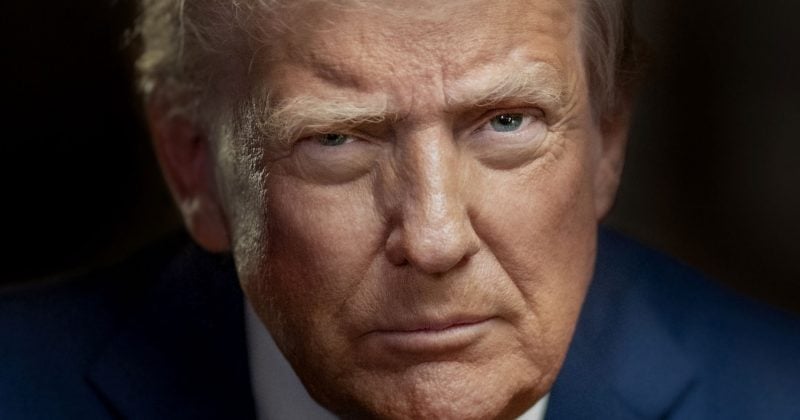
President Donald Trump warned that US oil reserves will run out in approximately four weeks, a statement that underscores just how dire the domestic energy supply picture has become amid escalating geopolitical tensions centered on the Strait of Hormuz.
The warning isn’t pure hyperbole. Analysts project that commercial oil storage tanks could reach critically low levels by early July 2026, which, measured from mid-June, puts the timeline right in that four-week window Trump referenced.
A reserve tank running on fumes
The Strategic Petroleum Reserve, America’s emergency oil piggy bank created after the 1970s Arab oil embargo, has been hemorrhaging barrels. Roughly 172 million barrels have been released under the Trump administration to counter supply shortfalls tied to the Iran conflict and disruptions around the Strait of Hormuz.
To put that in perspective, the SPR is now approaching levels not seen since the 1980s.
The disruptions have created a supply gap that analysts warn could intensify into a broader global shortage by late June 2026, putting additional pressure on already strained US inventories.
Oil’s ripple effect on crypto and risk assets
Oil has recently fluctuated between $80 and $90 per barrel, a range that’s elevated enough to feed inflation concerns but volatile enough to keep traders on edge. That volatility is bleeding directly into crypto markets.
Bitcoin trading has been visibly influenced by the ongoing swings in crude prices. The mechanism is straightforward: rising oil prices push inflation expectations higher, which makes the Federal Reserve less likely to cut interest rates, which makes risk assets like Bitcoin less attractive to institutional investors managing inflation-adjusted returns.
What this means for investors
The fact that nearly 172 million barrels have already been drawn down means the buffer for future crises is dangerously thin.
For crypto traders specifically, if crude pushes sustainably above $90 per barrel, the probability of rate cuts in the second half of 2026 drops significantly. That repricing alone could put meaningful downward pressure on Bitcoin and the broader digital asset complex.
With potential resolutions tied to ongoing negotiations over the Strait of Hormuz, the correlation between energy volatility and crypto volatility is likely to remain elevated in the coming weeks or months.
Disclosure: This article was edited by Editorial Team. For more information on how we create and review content, see our Editorial Policy.








 English (US) ·