
 1 hour ago
12
1 hour ago
12
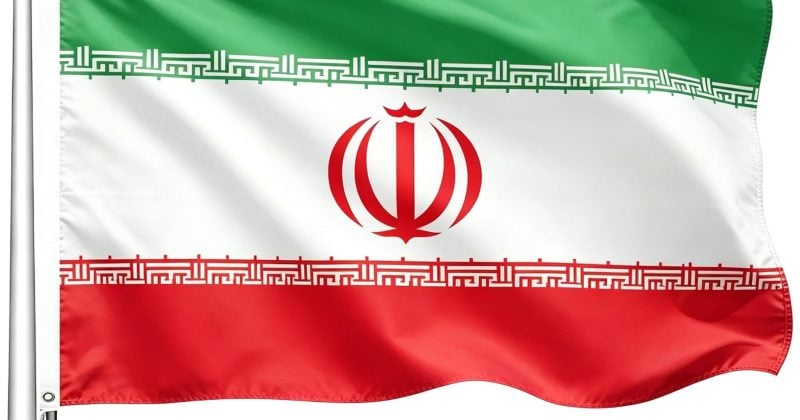
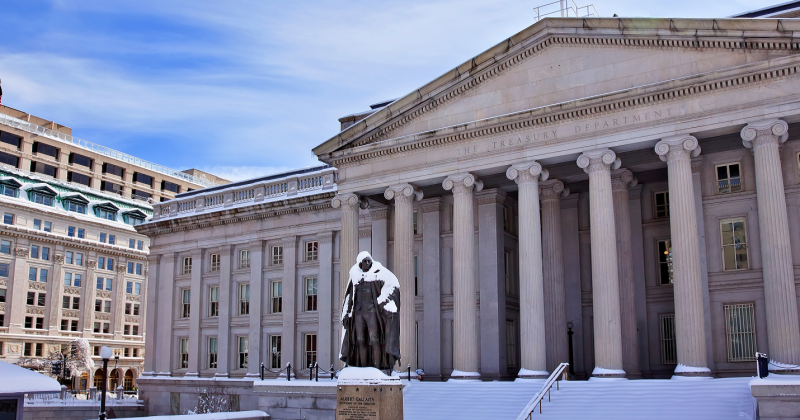
President Donald Trump has called for Congress to include tariffs on Iran in a sanctions bill initially targeting Russia. The move comes amid ongoing efforts to apply economic pressure on both nations, indicating an intensification of the U.S. stance against Iran. This proposed addition aligns with previous tariff threats and executive actions taken by Trump against countries dealing with Iran, suggesting a continuation of economic escalation rather than a shift towards military action. The market response indicates a decline in the probability of the U.S. ending its blockade on Iran by the end of July 2026, reflecting heightened tensions.
Key Takeaways
- Market pricing suggests a decrease in the likelihood of the U.S. ending the Iranian blockade by July 31, 2026, following Trump’s tariff proposal.
- Trump’s call for tariffs appears consistent with a hardening U.S. stance towards Iran, impacting market perceptions of reconciliation.
- Markets appear to interpret the tariff proposal as an indicator of increased economic pressure rather than a move towards direct conflict.
What to Watch
Markets will be closely monitoring congressional actions regarding the proposed tariff inclusion in the Russia sanctions bill. Developments surrounding U.S.-Iran relations, particularly any statements or actions from key figures such as President Trump and Iranian leaders, could further influence market sentiment. Observers should also watch for any shifts in the U.S. Central Command’s enforcement posture or changes in commercial activity through the Strait of Hormuz, as these could be significant indicators of future U.S. policy directions.
Get live prediction-market analysis, powered by Vera. Sign up for Vera.
Disclosure: This article was edited by Estefano Gomez. For more information on how we create and review content, see our Editorial Policy.



 English (US) ·