
 2 months ago
63
2 months ago
63
The UAE quietly joined the US-Israel military campaign against Iran by launching airstrikes on the Lavan Island refinery, a critical piece of Iranian energy infrastructure that processes roughly 200,000 barrels per day of condensate bound mostly for Asian markets. The Emirati government hasn’t publicly confirmed its role, though it referenced its “right to respond to hostile acts” in the aftermath.
The strikes, carried out before the current ceasefire took hold, caused fires severe enough to sideline much of Lavan’s processing capacity for months. Oil prices responded predictably, surging 5% to $82 per barrel. Bitcoin, meanwhile, slipped 2.3% to $94,200, according to CoinGecko data.
What happened at Lavan Island
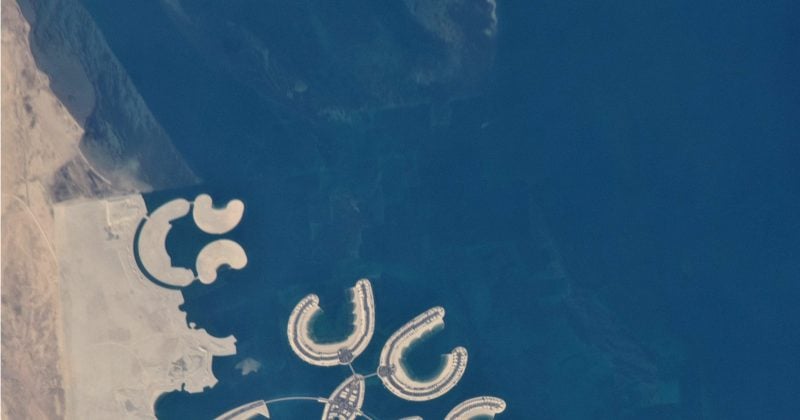
Lavan Island sits in the Persian Gulf and functions as one of Iran’s most important condensate export terminals, processing light hydrocarbons that get shipped to refineries across the continent. The timing coincided with a ceasefire announcement, as reported by the Wall Street Journal. The strikes appear to have been a final escalatory move before diplomacy kicked in.
Iran’s response was not subtle. Middle East Eye reported that Iran retaliated with over 2,800 missile and drone attacks on UAE targets. The scale of that retaliation underscores how seriously Tehran took the Emirati involvement, transforming the UAE from a neutral-leaning Gulf state into an active combatant.
Why crypto investors should care
The UAE’s crypto ecosystem depends on specific energy economics. Abu Dhabi and Dubai have attracted major Bitcoin mining operations partly because the Gulf’s oil and gas wealth translates into some of the cheapest electricity on the planet.
The Block reported that UAE mining output remained stable as of early May, but flagged the situation as an emerging risk. Iran has demonstrated its willingness and capability to strike UAE energy assets directly, and a sustained campaign targeting Emirati oil and gas facilities could raise domestic energy costs or force operational shutdowns at mining facilities.
Bitcoin’s 2.3% dip to $94,200 following the initial news reflects a market still figuring out how to price geopolitical risk in a region that has become central to crypto’s industrial base. Higher energy costs squeeze mining margins, which can reduce hashrate, which makes the network marginally less secure and miners marginally less profitable.
The broader geopolitical chessboard
The Jerusalem Post reported that the UAE strikes were prompted by Iranian aggression toward Emirati oil and gas facilities, framing the operation as defensive rather than offensive. The UAE is now the only Gulf state to have directly participated in military operations against Iran in this conflict cycle.
For the crypto industry, Dubai’s VARA regulatory framework, Abu Dhabi’s ADGM licensing regime, and the broader national strategy to become a Web3 hub have attracted exchanges, funds, and mining companies from around the world. A country facing 2,800 incoming missiles and drones introduces insurance costs for physical infrastructure, concentration risk concerns for multinational firms, and power and physical security risks for miners specifically.
Disclosure: This article was edited by Editorial Team. For more information on how we create and review content, see our Editorial Policy.








 English (US) ·