
 2 days ago
18
2 days ago
18
The UAE Ministry of Defense confirmed its air defense systems successfully intercepted Iranian ballistic missiles, cruise missiles, and drones targeting Emirati territory. On May 4, the Ministry reported intercepting 12 ballistic missiles, 3 cruise missiles, and 4 drones in a single engagement. By mid-May, those numbers had ballooned to 551 ballistic missiles, 29 cruise missiles, and 2,265 drones intercepted.
Bitcoin spiked to approximately $80,600 to $81,000 in early May as the conflict intensified. That surge coincided with more than $270 million in liquidations across the crypto market, catching leveraged traders on both sides of the trade.
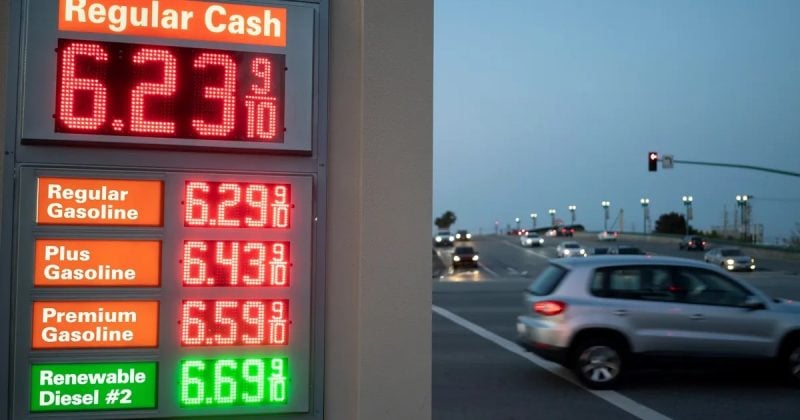
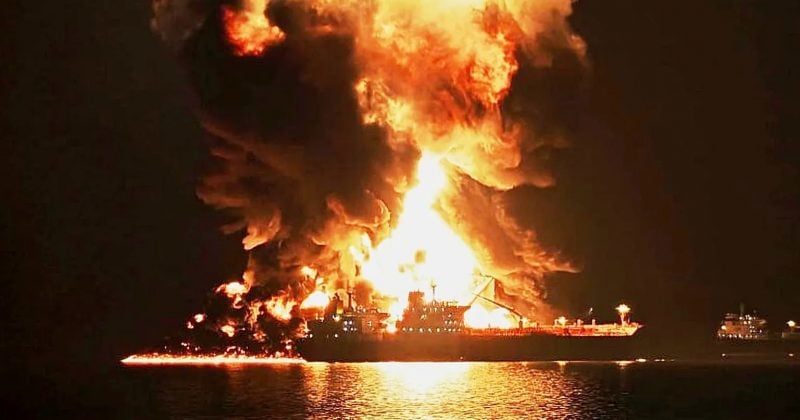
Oil prices surged past $105 per barrel amid concerns about shipping stability and broader energy supply disruptions. The Strait of Hormuz handles roughly a fifth of the world’s oil supply.
Binance, which has a significant UAE presence, offered temporary relocation support to its staff in April as tensions escalated. Operations reportedly continued largely without interruption. Only three injuries were reported in connection with one May incident, speaking to the effectiveness of the UAE’s defense systems.
The $270 million liquidation figure means that while some traders profited from the volatility, many more got destroyed by it. The initial Bitcoin spike toward $81,000 looks like a classic flight-to-perceived-safety trade, but the subsequent retracement and massive liquidations suggest the market isn’t quite ready to treat Bitcoin as a reliable geopolitical hedge.
Traders navigating this environment should watch three things closely: the trajectory of oil prices as a proxy for conflict intensity, Bitcoin’s correlation with traditional risk assets during escalation events, and whether additional crypto firms begin relocating staff or operations away from the Gulf.
Disclosure: This article was edited by Editorial Team. For more information on how we create and review content, see our Editorial Policy.




 English (US) ·