
 2 hours ago
7
2 hours ago
7
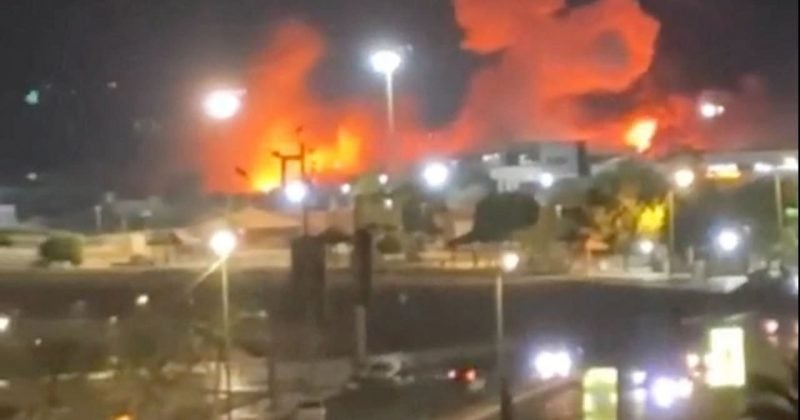
United Nations Secretary-General António Guterres has expressed concern over a resurgence of military conflicts in the Persian Gulf, amid renewed hostilities involving the United States, Israel, and Iran. This development follows recent missile strikes by Iran on Israeli targets, which have reignited tensions after a ceasefire was signed in June 2025. The situation is particularly delicate in the Strait of Hormuz, a critical passage for global oil supplies, where naval confrontations have occurred. Guterres’s comments highlight the risk of escalating conflict potentially leading to a broader regional war, affecting both regional stability and global oil markets.
Key Takeaways
- Markets suggest that Guterres’s concerns about Persian Gulf conflicts are consistent with decreased prospects for a US-Iran deal in 2026.
- Recent Iranian military actions appear to have contributed to a significant drop in YES pricing for Iran-related deal markets.
- The potential for further escalation in the region may indicate a challenging environment for diplomatic resolutions.
What to Watch
Observers are closely monitoring further developments in the Persian Gulf, including potential military engagements or diplomatic interventions. Any indication of de-escalation or new negotiations could alter current market pricing. The role of key actors such as the United States, Israel, and Iran, along with international mediators, remains crucial in determining the trajectory of regional peace efforts. Additionally, updates on the status of the Strait of Hormuz could prove significant, as any changes there could substantially impact global energy markets.
Get prediction market intelligence as a structured API feed. Early access waitlist.
Disclosure: This article was edited by Estefano Gomez. For more information on how we create and review content, see our Editorial Policy.







 English (US) ·