
 1 month ago
61
1 month ago
61
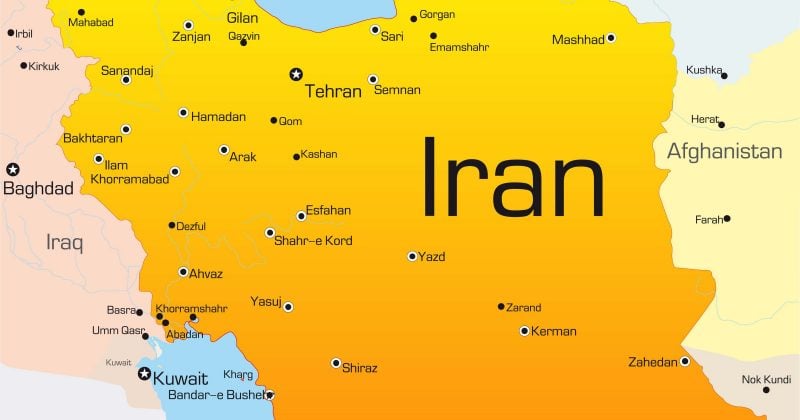
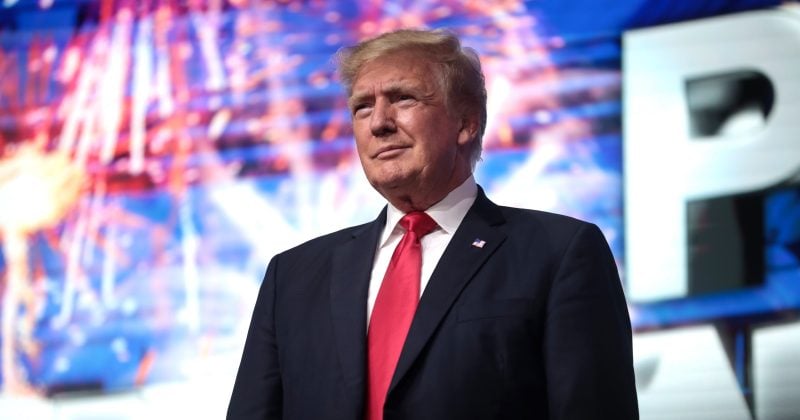
President Donald Trump declared a peace deal with Iran “complete” on June 14, 2026, posting the announcement on Truth Social on what happened to be his 80th birthday. The agreement brings an end to roughly three and a half months of direct US-Iran military conflict, a period that rattled global energy markets, shipping lanes, and investor confidence across every asset class including crypto.
A formal signing ceremony is scheduled for June 19 in Switzerland. Iran’s deputy foreign minister confirmed that the agreement text has been finalized ahead of the ceremony, though Iranian officials have cautioned that some reporting on exact timing and implementation details may be getting ahead of the facts.
What the deal actually does
The US will immediately terminate military operations against Iran and remove its naval blockade on Iranian ports. In return, the Strait of Hormuz will be reopened for toll-free shipping once mine clearance operations are completed.
For context, roughly 20% of the world’s oil passes through the Strait of Hormuz on any given day.
Pakistani Prime Minister Shehbaz Sharif issued statements coinciding with Trump’s announcement, suggesting Islamabad may have played a facilitation role in negotiations. The conflict itself escalated after a 60-day negotiation deadline on stalled nuclear talks was missed earlier in the year, triggering a rapid deterioration in diplomatic relations that eventually turned kinetic.
Oil, equities, and the risk-on domino effect
A reopened Strait of Hormuz means Iranian crude can flow freely again, and the removal of the naval blockade restores supply capacity that has been artificially constrained.
What this means for crypto investors
No blockchain projects were mentioned in the agreement. No stablecoin settlements are being used to facilitate reparations.
Three dynamics are worth tracking. First, energy prices. Mining operations, particularly Bitcoin mining, are sensitive to electricity costs. A sustained decline in energy prices driven by restored oil supply could modestly improve margins for proof-of-work miners, especially those operating in regions where electricity prices are pegged to fossil fuel benchmarks.
Second, dollar strength. Peace deals that stabilize global trade routes tend to reduce demand for the US dollar as a safe haven, which can weaken the greenback. A weaker dollar has historically been correlated with Bitcoin price appreciation, since Bitcoin is denominated in dollars on most major exchanges.
The June 19 signing ceremony in Switzerland will be the next catalyst. If it proceeds smoothly and implementation timelines for mine clearance and blockade removal look credible, expect markets to price in a sustained period of reduced geopolitical risk.
Disclosure: This article was edited by Editorial Team. For more information on how we create and review content, see our Editorial Policy.




 English (US) ·