
 1 hour ago
18
1 hour ago
18
Consumer confidence in the US just hit a number nobody wanted to see. The University of Michigan’s Consumer Sentiment Index dropped to 44.8 in its final May 2026 reading, the lowest figure ever recorded in the survey’s history.
That’s not a typo. And it’s not even close to the preliminary estimate of 48.2 that already had economists concerned. The final number fell another 3.4 points below that first read, extending a slide that started in March and has now stretched across three consecutive months of decline.
The numbers behind the collapse
To understand how bad 44.8 really is, consider the trajectory. April’s final reading was 49.8, which itself was already historically grim. In one month, the index shed another five full points.
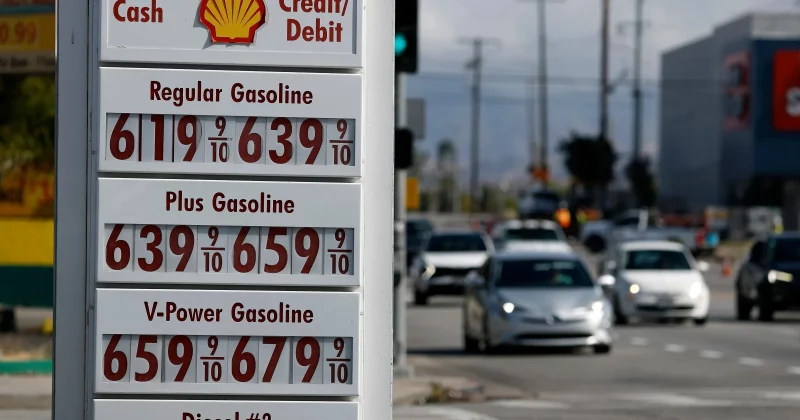
The primary culprit is inflation, specifically the war-driven variety. The escalated US-Iran conflict has disrupted oil flows through the Strait of Hormuz, sending gasoline prices higher and rattling household budgets across the country. When the survey asked consumers what’s eating their wallets, 57% pointed directly at high prices as their main source of financial stress.
Inflation expectations are climbing in tandem. One-year expectations ticked up to 4.8% from 4.7%. But the long-run expectations number jumped to 3.9% from 3.5%.
The pain isn’t evenly distributed, either. Lower-income households and individuals without college degrees are reporting the steepest sentiment declines. Gasoline and groceries consume a larger share of spending for those groups, so when supply disruptions push prices higher, they feel it first and worst.
Political affiliation is also shaping the numbers. Independents and Republicans are reporting the lowest sentiment levels during the current administration.
Retailers are already sounding the alarm
This isn’t just a survey problem. Retailers are warning that war-related inflation is beginning to affect store supplies, which means the sentiment data is reflecting real disruptions showing up on shelves.
Consumer spending accounts for roughly two-thirds of US economic activity.
What this means for crypto investors
Current analyses indicate that the sentiment release has not produced a direct measurable effect on digital asset trading volumes or prices. Bitcoin didn’t crash on the news. The immediate market reaction was, functionally, a shrug.
Bitcoin continues to be broadly classified as a risk asset during periods of economic stress. The jump in long-run inflation expectations to 3.9% adds a wrinkle, as the narrative around Bitcoin as an inflation hedge tends to gain traction when consumers start believing inflation is here to stay.
Traders should watch two things closely. First, the June preliminary Michigan reading, which will reveal whether 44.8 was a bottom or just a waypoint. Second, upcoming consumer spending data, because sentiment eventually translates into actual purchasing behavior.
Disclosure: This article was edited by Editorial Team. For more information on how we create and review content, see our Editorial Policy.





 English (US) ·