
 1 hour ago
15
1 hour ago
15
The United States and Iran are pressing forward with technical negotiations following their landmark memorandum of understanding, with both sides agreeing to allow vessels to move freely through one of the world’s most critical shipping lanes.
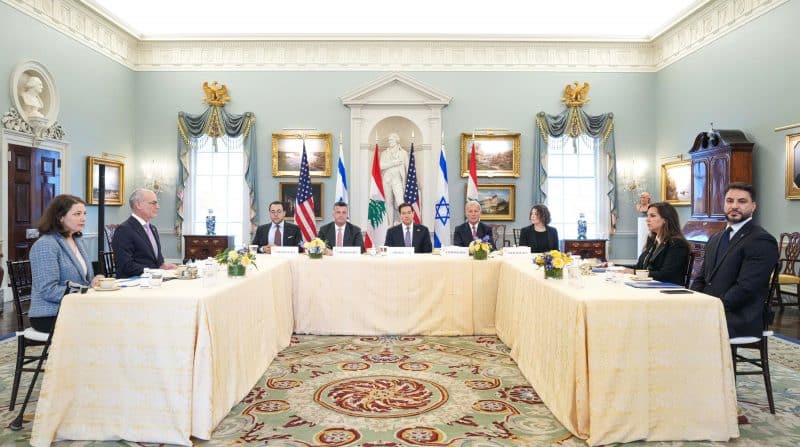
The talks, which kicked off June 21 in Switzerland, represent the operational phase of the 14-point Islamabad MOU signed on June 17 by US President Donald Trump and Iranian President Masoud Pezeshkian. Qatar and Pakistan are serving as mediators. The two nations now have a 60-day window to hammer out the details on some of the thorniest geopolitical questions of the past two decades.
What the Islamabad MOU actually says
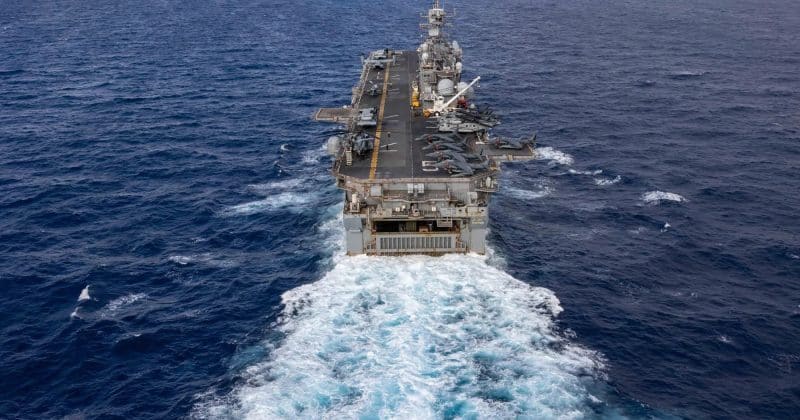
The framework commits both sides to ending military strikes, with the US agreeing to lift its naval blockade within 30 days. Iran, for its part, has pledged to guarantee safe passage for commercial vessels through the Strait of Hormuz for an initial 60-day period.
That hard stuff includes Iran’s nuclear program, sanctions relief, and the eventual disposition of frozen assets. The MOU explicitly defers Iran’s ballistic missile program to later negotiations. Asset releases are contingent on final agreements being reached.
The Strait of Hormuz problem
Roughly a fifth of the world’s oil passes through the Strait of Hormuz. The agreement to allow vessels to move freely addresses what has been the most immediate economic consequence of US-Iran tensions.
Both sides have already accused each other of violating various terms of the agreement.
What this means for markets
The most direct market impact sits squarely in the energy sector. Oil prices have been sensitive to every development in US-Iran relations, and a functioning MOU that keeps the Strait of Hormuz open could meaningfully reduce the geopolitical risk premium baked into crude.
Iran has historically been one of the most active state-level Bitcoin mining operations, using cheap domestic energy to generate hard currency outside the traditional banking system. Any sanctions relief that reintegrates Iran into global financial markets could paradoxically reduce the country’s reliance on crypto as a sanctions-evasion tool.
The deferred topics, particularly Iran’s ballistic missile program and the specific terms of asset releases, represent potential landmines that could derail the entire framework. The single most important variable to watch is whether commercial shipping volumes through the Strait of Hormuz actually normalize over the next 30 days.
Disclosure: This article was edited by Editorial Team. For more information on how we create and review content, see our Editorial Policy.



 English (US) ·