
 1 hour ago
9
1 hour ago
9
The United States and Iran have unveiled a preliminary framework agreement designed to end active hostilities between the two nations and set the stage for deeper negotiations over Tehran’s nuclear program. The memorandum of understanding, revealed on June 14, is scheduled to be formally signed on June 19 in Switzerland.
What the deal actually says
The framework covers several major provisions, starting with the most commercially significant: the reopening of the Strait of Hormuz for international shipping. Roughly 20% of the world’s oil passes through that narrow waterway, making it one of the most strategically important chokepoints on the planet.
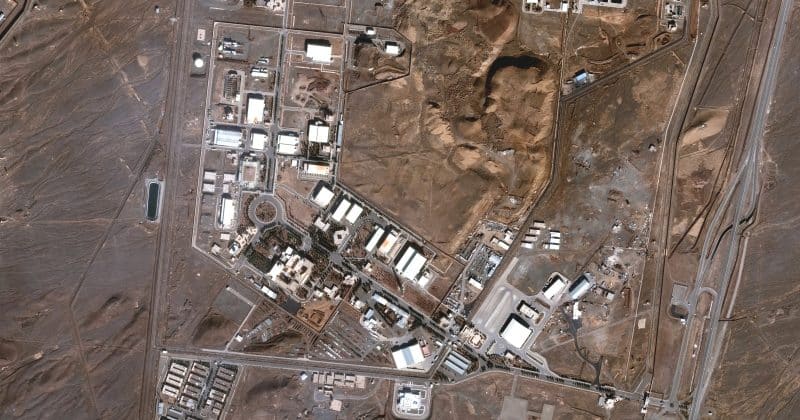
Under the agreement, Iran commits not to produce or acquire nuclear weapons. Its current nuclear program would be maintained at existing levels, with no further enrichment or expansion permitted until final negotiations conclude.
In exchange, the US has expressed willingness to provide waivers or relief from sanctions. The deal also contemplates the release of approximately $24 to $25 billion in frozen Iranian assets, contingent on Iran’s compliance with the MoU’s terms.
The 60-day negotiation window that begins after signing is where the real substance will be determined. Highly enriched uranium stockpiles and enrichment limits are the core issues, and experts have emphasized that these arrangements require far more detailed negotiations than a preliminary MoU can provide.
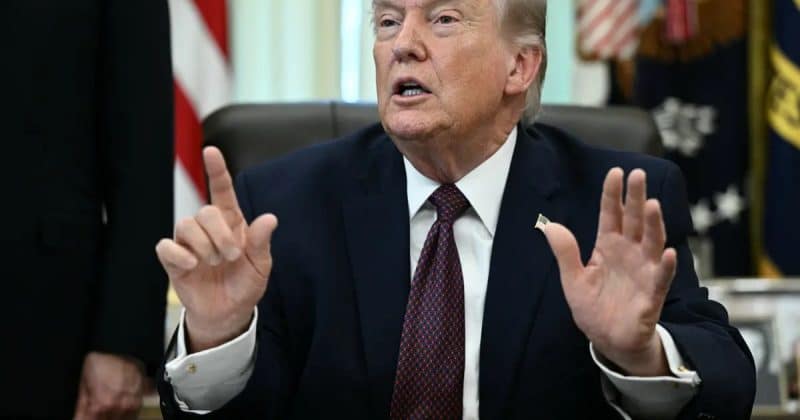
The Trump administration has itself cautioned about the deal’s viability pending resolution of nuclear program issues.
The broader context
This framework arrives against a backdrop of escalating military tensions through 2025 and 2026, including US strikes on Iranian targets.
European powers have shown willingness to ease certain restrictions as diplomatic efforts advance, suggesting that the agreement has at least tacit multilateral support even if it’s primarily a bilateral arrangement between Washington and Tehran.
Just two weeks before the MoU was revealed, on June 2, the US imposed new sanctions specifically targeting Iranian cryptocurrency exchanges. Nobitex and Bitpin were singled out for their alleged links to sanctions evasion.
What this means for crypto investors
The sanctions on Iranian crypto exchanges represent a regulatory vector that investors tend to underweight. The US targeting Nobitex and Bitpin demonstrates that even as diplomacy advances on the political front, enforcement against crypto-based sanctions evasion is intensifying.
The $24 to $25 billion in frozen assets is not a trivial number. If those funds are eventually released, some portion will inevitably flow through digital asset channels, whether directly or indirectly. But the simultaneous crackdown on Iranian crypto exchanges suggests that Washington wants those flows to move through monitored, compliant pathways rather than through platforms it can’t surveil.
Disclosure: This article was edited by Editorial Team. For more information on how we create and review content, see our Editorial Policy.






 English (US) ·