
 1 hour ago
14
1 hour ago
14
For the first time in six years, US consumer prices actually went down. The Consumer Price Index dropped 0.4% in June, a sharp reversal from May’s 0.5% increase, according to data released by the Bureau of Labor Statistics on July 14.
The culprit, or hero depending on your portfolio, was energy. Gasoline prices plunged 9.7% in a single month, dragging the broader energy index down 5.7%. Year-over-year headline inflation cooled to 3.5%, a meaningful step down from May’s 4.2%.
What the numbers actually say
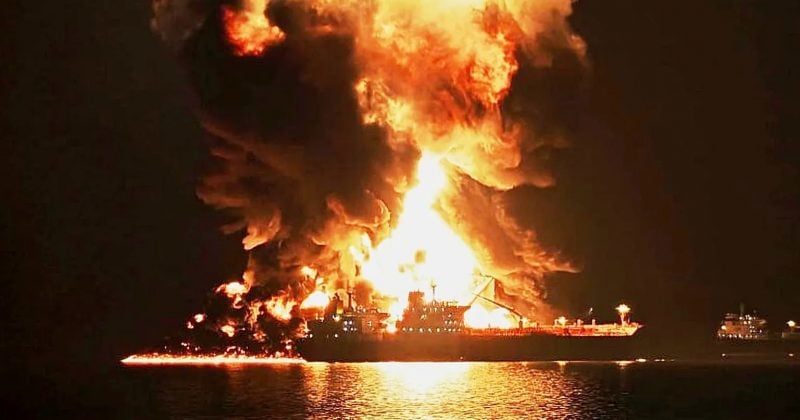
The monthly CPI decline is the first since April 2020, when the economy was in freefall from pandemic lockdowns. The context this time is entirely different. Rather than demand collapsing, June’s drop was driven almost entirely by a correction in energy prices that had spiked earlier in the year due to geopolitical tensions in the Middle East.
Core CPI, which strips out food and energy, was essentially flat month-over-month. It rose 2.6% on a year-over-year basis, down from 2.9% in May. That’s progress, but it’s still above the Fed’s 2% target.
Why crypto traders are paying attention
Bitcoin and the broader digital asset market have developed a Pavlovian response to inflation data over the past couple of years. Hot prints send risk assets lower on expectations of tighter Fed policy. Cool prints do the opposite.
The logic is straightforward. When rates are high, investors can park cash in Treasury bills and earn a risk-free return. That makes speculative assets like crypto less attractive on a relative basis. When rates start coming down, or the market believes they will, capital flows back toward higher-risk, higher-reward plays.
What this means for investors
For Bitcoin specifically, the macro backdrop is only one variable. On-chain activity, regulatory developments, ETF flows, and broader market liquidity all matter. A friendly CPI print creates a permissive environment, but it doesn’t guarantee anything.
The risk is that energy prices snap back. The geopolitical tensions that drove inflation higher earlier in 2026 remain unresolved. If oil prices spike again, the headline CPI will follow, and the Fed will be right back in a hawkish posture.
The July FOMC statement will be the next major catalyst. If policymakers treat this as a signal that their work is nearly done, expect risk-on sentiment to accelerate. If they focus on core inflation still sitting above target, the reaction could be more muted.
Disclosure: This article was edited by Editorial Team. For more information on how we create and review content, see our Editorial Policy.







 English (US) ·