
 4 hours ago
20
4 hours ago
20
The US Energy Information Administration is sounding an alarm that should make anyone who drives a car, heats a home, or trades commodities sit up straight. OECD oil inventories are on track to fall below 2.3 billion barrels, a level the world hasn’t seen since 2003.
The numbers tell a grim story
US commercial crude stockpiles dropped by 8.0 million barrels for the week ending May 29, 2026. That single-week draw left total inventories at 433.7 million barrels, sitting 3% below the five-year average.
The EIA anticipates an average inventory draw of 6.3 million barrels per day during the second quarter and 7.6 million barrels per day in the third quarter of 2026.
Meanwhile, the Strategic Petroleum Reserve has been whittled down to approximately 365 million barrels, a level reminiscent of the 1980s. At 365 million barrels, the US government has limited room to repeat the massive SPR releases that helped cool prices in 2022.
What’s driving the drawdown
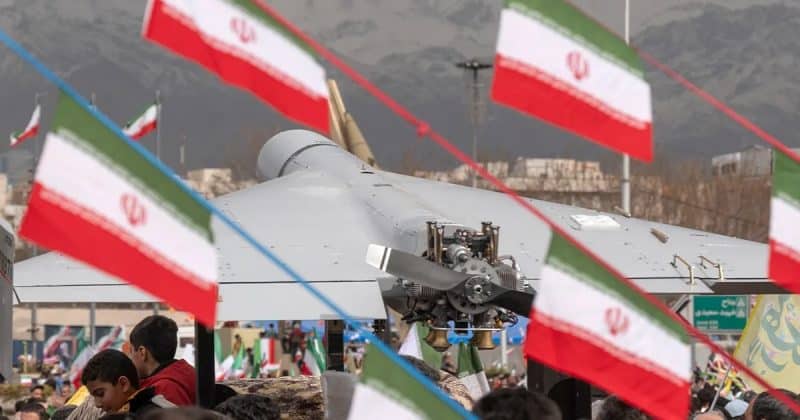
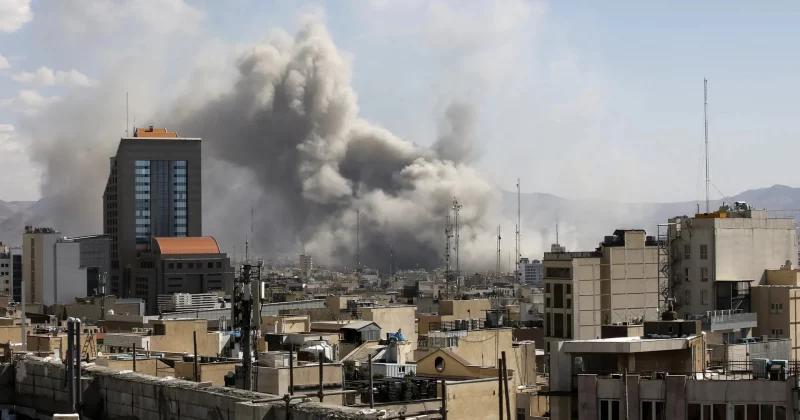
The primary culprit is the ongoing Iran conflict, which has severely disrupted shipping through the Strait of Hormuz. About a fifth of global oil consumption passes through that narrow waterway on any given day.
The conflict has driven Middle Eastern production down by over 11 million barrels per day below pre-conflict levels as of May 2026.
Both the EIA and the International Energy Agency project ongoing drawdowns through the second and third quarters of 2026, with OECD stocks potentially reaching their lowest levels since 2003.
API CEO Mike Sommers has warned of upcoming shortages in diesel and gasoline as stockpiles continue to decline.
What this means for investors
Rising oil prices feed directly into inflation data. If crude continues its upward trajectory on the back of shrinking inventories, the Federal Reserve’s calculus on interest rates gets more complicated.
The distillate and gasoline shortage warnings from the API add another dimension. Refining margins could expand significantly if finished product inventories tighten further, benefiting companies with downstream refining capacity.
The key variables to watch are weekly EIA inventory reports, any developments around the Strait of Hormuz, and OPEC’s response to the supply gap.
Disclosure: This article was edited by Editorial Team. For more information on how we create and review content, see our Editorial Policy.







 English (US) ·