
 1 hour ago
11
1 hour ago
11
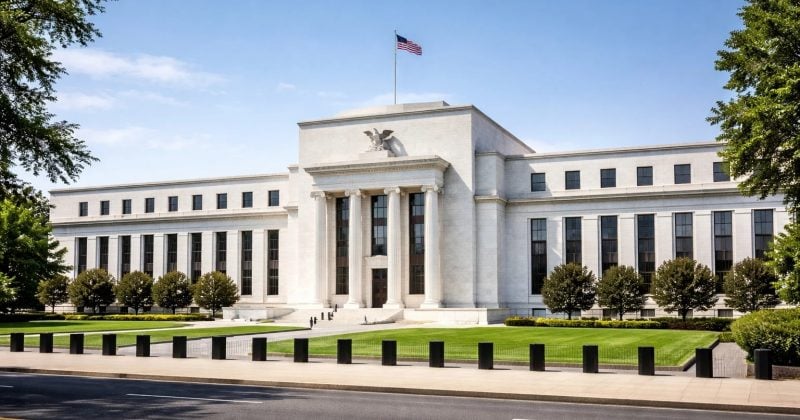
The Federal Reserve’s total assets clocked in at $6.749 trillion as of August 5, holding remarkably steady in a narrow range since the central bank stopped shrinking its balance sheet late last year.
The Fed’s balance sheet peaked at roughly $8.9 trillion in 2022, swollen by the massive bond-buying spree that followed the pandemic. Then came quantitative tightening, the process of letting bonds mature without reinvesting the proceeds. That program ran until December 1, 2025, by which point total assets had declined to approximately $6.5 trillion.
Since QT ended, the balance sheet has crept up slightly through what the Fed calls “reserve management purchases,” basically routine operations designed to keep bank reserves at adequate levels. The result is the $6.738T to $6.749T range we’ve seen in recent weeks. FRED data showed total assets at $6.738 trillion as of July 29, with the August 5 reading ticking up marginally to $6.749 trillion.
The composition tells a story of its own. As of late 2025, the Fed held approximately $4.2 trillion in Treasury securities and around $2.1 trillion in mortgage-backed securities. On the liability side, bank reserves account for close to $2.9 trillion, with currency in circulation sitting at roughly $2.4 trillion.
Meanwhile, the federal funds rate has held steady at 3.50% to 3.75% since the July 2026 FOMC meeting.
The Warsh task force wildcard
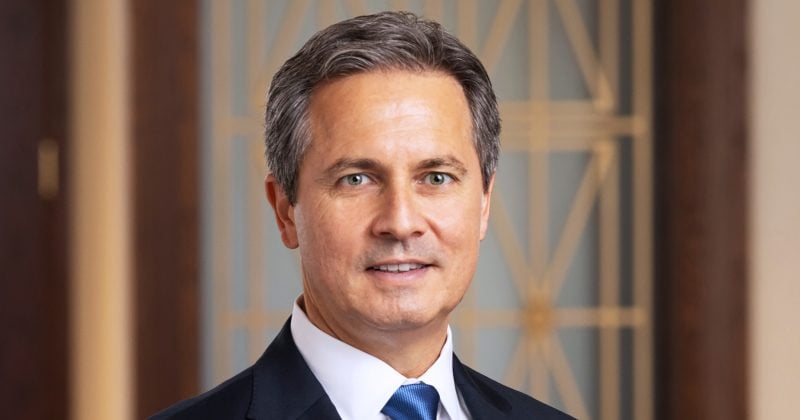
Fed Chair Kevin Warsh, who took office in 2026, established an independent task force in June to conduct a thorough review of the balance sheet. The review is specifically examining the “ample-reserves” framework, essentially questioning whether the Fed’s current approach to managing its massive holdings is the right one going forward.
The task force is co-led by former Bank of England Governor Mervyn King and former Reserve Bank of India Governor Raghuram Rajan.
What this means for crypto investors
When the balance sheet expanded from 2020 to 2022, Bitcoin went from roughly $7,000 to nearly $69,000. When QT kicked in and liquidity contracted, crypto entered a prolonged bear market. The stabilization we’re seeing now at $6.7 trillion has coincided with a period of relative calm and recovery in digital asset prices.
If the Warsh task force review concludes that the balance sheet should shrink further, or that the ample-reserves framework needs restructuring, it could mean a return to liquidity withdrawal. Conversely, if the task force recommends maintaining or even expanding the current approach, it would remove a significant source of downside risk.
Disclosure: This article was edited by Editorial Team. For more information on how we create and review content, see our Editorial Policy.






 English (US) ·