
 1 hour ago
7
1 hour ago
7
American drivers just caught a break they haven’t seen in months. The national average price of gasoline dropped to $3.997 per gallon on June 14-15, slipping below the psychologically significant $4 mark for the first time since mid-April, according to GasBuddy.
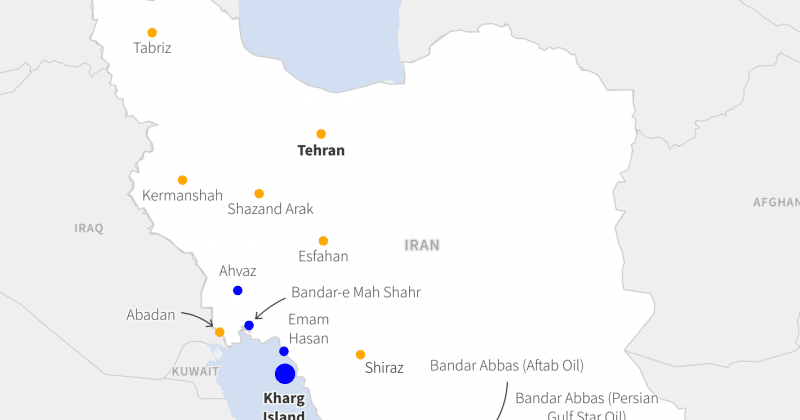
The catalyst isn’t a new drilling boom or some miraculous leap in refinery efficiency. It’s diplomacy. Specifically, growing optimism around a preliminary agreement between the US and Iran that could reopen the Strait of Hormuz, one of the most critical chokepoints for global oil shipping.
Why the Strait of Hormuz matters this much
Crude oil prices fell over $4 per barrel in early trading sessions as markets digested the possibility of smoother oil flows through the strait. Gasoline prices, which track crude with a short lag, followed suit.
Nearly half of US states are now reporting average gasoline prices below the $4 threshold.
US gasoline inventories stood at 215.1 million barrels in early June. The price movement is almost entirely sentiment-driven, a rapid market adjustment based on what traders expect to happen rather than what has already happened.
Still expensive by last year’s standards
The current national average is still roughly 90.8 cents higher than where prices sat in June 2025. A driver filling up a 15-gallon tank is paying about $13.60 more per fill-up compared to a year ago. Over the course of a month of weekly fill-ups, that adds up to more than $50 in extra fuel costs for the average commuter.
Analysts do expect further modest declines in the coming weeks if the diplomatic momentum holds.
What this means for investors
Lower fuel costs generally translate into more disposable income for consumers. Retail, travel, and hospitality stocks historically benefit when gasoline prices trend downward, particularly heading into the peak summer driving season.
Falling energy prices reduce inflationary pressure, which in turn influences Federal Reserve rate decisions. If gasoline continues to drift lower, it gives the Fed one less reason to maintain restrictive monetary policy.
The entire price decline is anchored to a US-Iran agreement that hasn’t been finalized. If negotiations stall or collapse, the Strait of Hormuz risk premium snaps right back into crude oil prices, and gasoline follows it higher.
Disclosure: This article was edited by Editorial Team. For more information on how we create and review content, see our Editorial Policy.






 English (US) ·